



Story by Tendai Munengwa
ZIMBABWE has called on the African Union and the European Union to develop a new policy framework aimed at transforming and weaning developing nations off donor support.
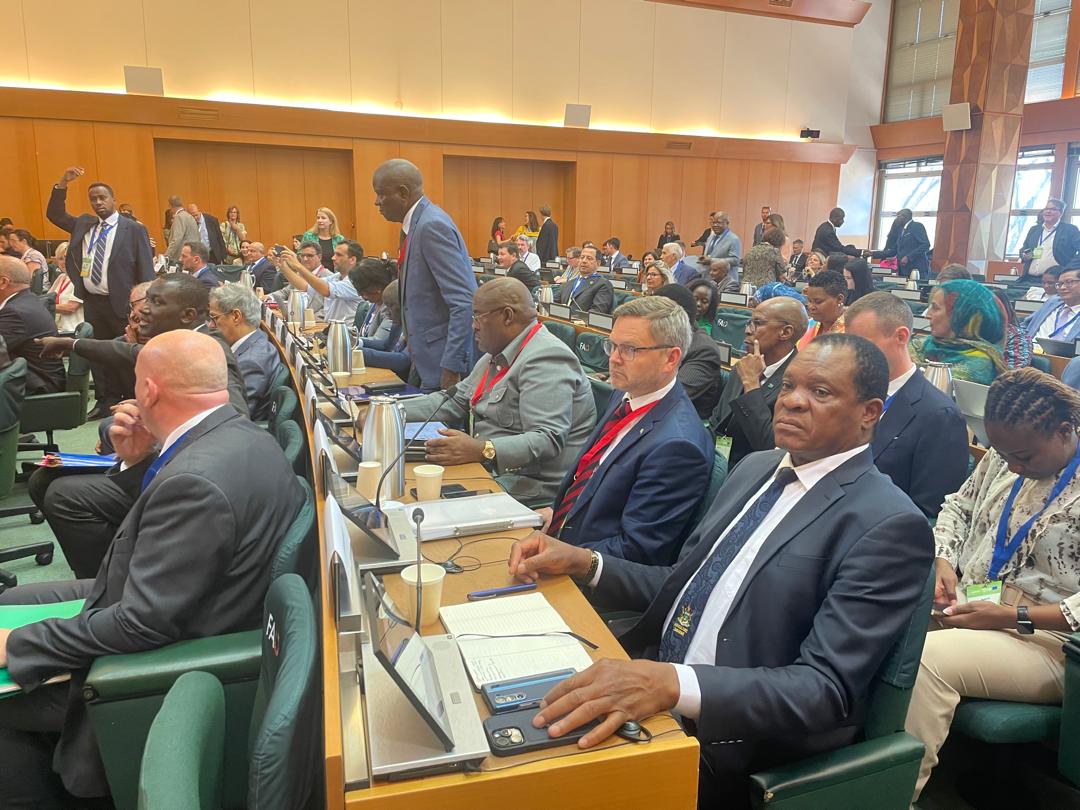
The sixth African Union and European Union Agriculture Ministerial Conference, currently underway in Rome, Italy, has attracted several agriculture ministers from around the world, including Zimbabwe’s Minister of Lands, Agriculture, Fisheries, Water and Rural Development, Dr Anxious Masuka.
Delegates are brainstorming ways to strengthen agricultural food systems and achieve sustainable food and nutrition security in developing nations.
During the visit to Rome, Dr Masuka is expected to sign a Memorandum of Understanding that will establish a dedicated space at the Food and Agriculture Organization (FAO) headquarters to showcase Zimbabwe’s agriculture and tourism products for the next 15 years.
“Remember the last time President Emmerson Mnangagwa was here, it was agreed that a room would be established at the FAO headquarters to represent Zimbabwe. We are here now to sign the Memorandum of Understanding that will officially open that space, which will showcase our agriculture and tourism products,” he said.
In his presentation during the African Union and European Union thematic sessions this Friday, Dr Masuka underscored the need for developed nations to share intellectual expertise on how developing countries like Zimbabwe can achieve advanced agricultural development, as well as food and nutritional security.
He also said that if agriculture is indeed the engine of development and with 70 percent of Zimbabwe’s population actively engaged in the sector, it is imperative to rethink how investment is channelled into it. He emphasised the need for a developmental state model, where the government acts as a catalyst for rural transformation by strengthening value chains, creating aggregated markets and making rural farmers bankable.
“The state must lead in creating a conducive environment that attracts private-sector participation in agricultural development through initiatives like contract farming while reducing reliance on national strategic grain reserves. What is important now is benchmarking and educating developing nations on how Zimbabwe can draw inspiration and transform just as clubs like Real Madrid or cities like Rome and regions in the UK have achieved sustainable agriculture and food security. We must move beyond optional philanthropic and technical support toward structured, strategic development,” he added.
The high-level African Union and European Union conference comes on the heels of a major milestone, as the Food and Agriculture Organization (FAO) and the World Food Programme (WFP) recently announced Zimbabwe’s removal from the list of global hunger hotspots.

