



Story by Tamuka Charakupa
DRUG and substance abuse among young adults in Zimbabwe has reached alarming levels, posing a significant challenge to families and communities across the country. Behind the stark statistics are stories of young people who are striving to overcome addiction and rebuild their lives.
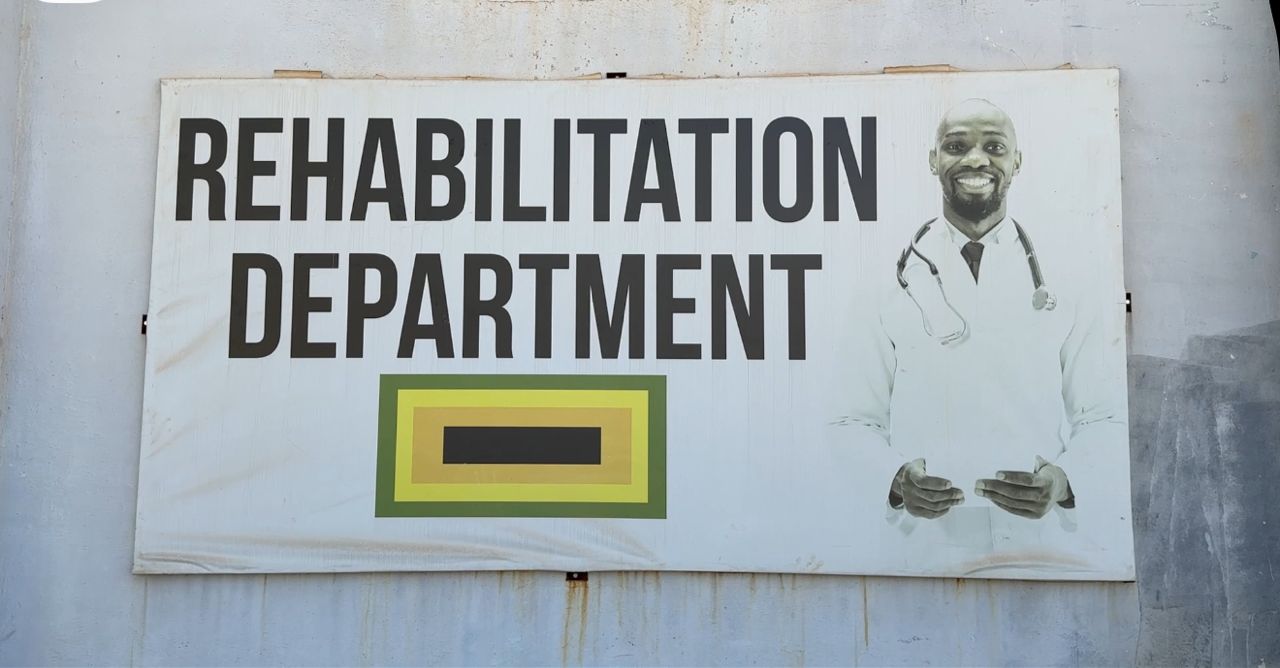
Two such individuals, David Matenga and Innocent Muduvuri, both in their early twenties, are currently undergoing rehabilitation at the Muduvuri Rehabilitation Centre in Kadoma, where they are receiving support to overcome their struggles.
For Matenga, the separation of his parents at a young age left him vulnerable. He said his involvement in illegal artisanal mining, where drugs were readily available, worsened his situation.
“I was in Form 3 when I started smoking marijuana. It began as an experiment, but I soon got hooked. I blame my situation at home. I did not have my parents around, and I felt very lonely. What made things worse was that I was already involved in illegal artisanal mining, which is a hub for drug and substance abuse. I had money to spend on drugs that fueled my addiction. But now, I am happy that I am recovering and even more grateful to know that there is more to life than drugs,” Matenga said.
Muduvuri says he has spent one and a half months at the Muduvuri Rehabilitation Centre, and today he feels like a better person, a shining example that recovery is possible. He recalls how he had lost weight, lost his appetite, and lost his way. Without this intervention, he believes he might have ended up in prison, as drug habits often spiral into theft, robbery and even more serious crimes.
“When I started, it was all fun. Then it became a need. Eventually, I did not care whether I lived or died,” he reflects.
Officials at the Muduvuri Rehabilitation Centre, which is offering a free rehabilitation service, say the crisis is growing, fuelled by peer pressure, poverty, and domestic breakdowns.
“We are seeing younger and younger users most of them between the ages of 21 and 30. They are often violent, aggressive and deeply traumatised. They lack respect and show no empathy toward anyone. This is no longer just a health issue, it is a social emergency that demands a whole of society approach,” Psychiatric Nurse, Mr Agent Matore said.
Philanthropist, Mr Jimayi Muduvuri says they do not just want to detox the youths and send them back into the communities, they are preparing them for life. The broader plan is to introduce vocational skills training immediately after rehab, so each young person leaves with something in their hands and hope in their heart. The goal is to equip every recovering youth with a skill, empowering them to earn, build, and thrive as they rejoin society.
Drug abuse has been declared a national security threat, and the government is intensifying efforts to combat the scourge.
Young people are being encouraged to enrol in vocational training centres to acquire life skills as part of a broader youth empowerment drive.

