



Story by Fairstars Mukungurutse
HARARE – LOCAL Islamic scholars have underscored the pressing need to foster a culture of understanding and tolerance among Zimbabwe’s diverse religious communities, highlighting education, dialogue, and coexistence as key pillars for national unity.
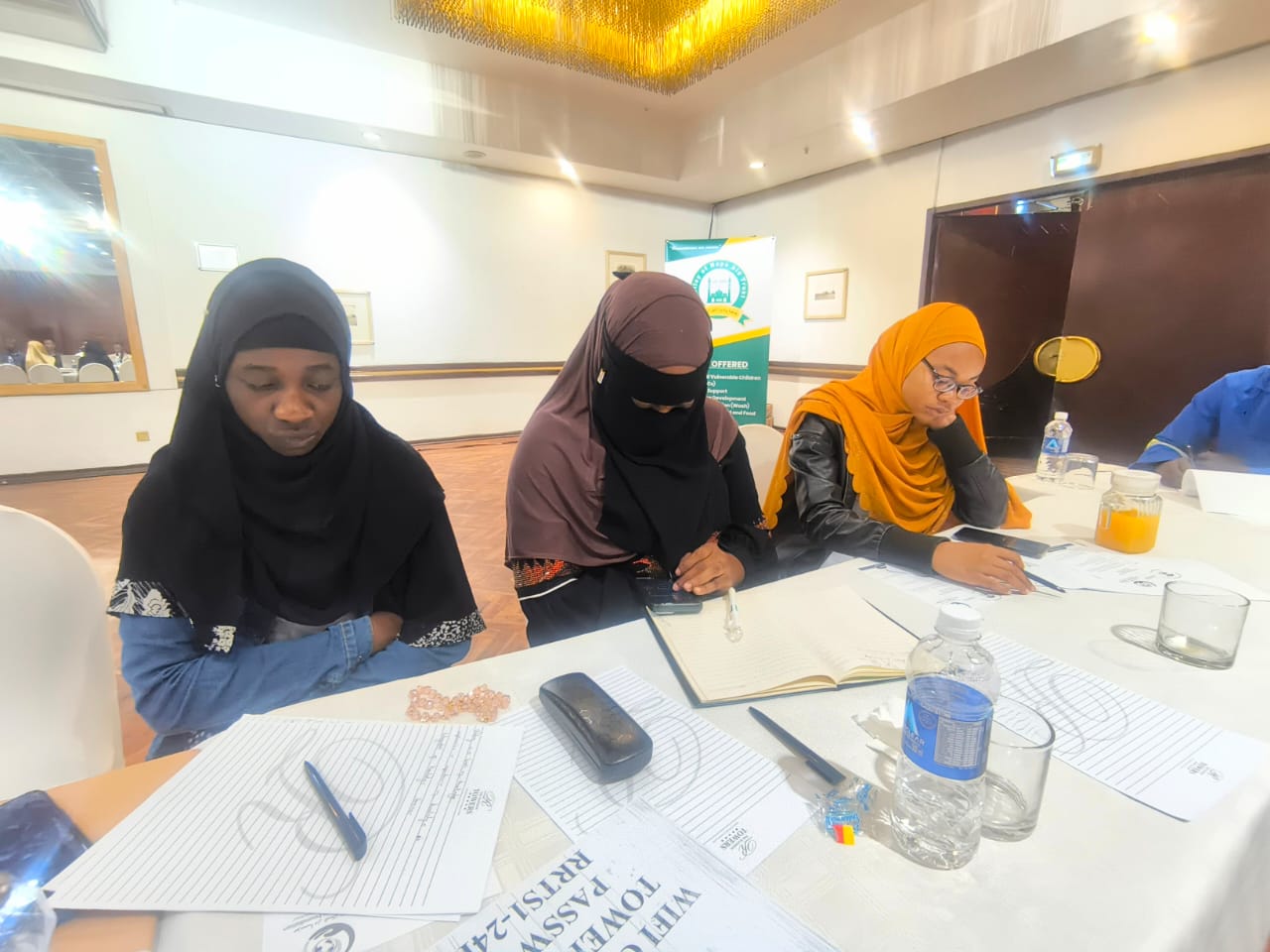
The call was made during the Integration of Knowledge seminar held in the capital, which brought together Muslim scholars, academics, and intellectuals to deliberate on faith-based responses to contemporary societal challenges.
Speaking during the seminar, Grand Mufti of Zimbabwe, Sheikh Yusuf Binali, highlighted the importance of harmonising religious teachings with modern educational disciplines to promote social cohesion and mutual respect.
“This is an international Islamic thought programme that integrates Islamic and secular education to address real-life challenges faced by Muslims and non-Muslims alike. Here in Zimbabwe, we are examining issues such as interfaith marriage, halal consumption, and the application of Sharia principles in a pluralistic society. So we are here to share knowledge in terms of what the scriptures say and how we then come up with solutions, it has to be flexible and also scientific in nature so that we are able to coexist with other communities,” he said.
Sheikh Binali noted that as Muslim students navigate secular institutions, there is a growing need to support their spiritual and cultural identity while ensuring peaceful coexistence with other communities.
“Islamic law is not rigid, it must evolve scientifically to accommodate diverse societies. We must understand our environment and apply our principles in a manner that promotes understanding, not division,” he added.
The seminar, which forms part of a broader Southern African initiative, also focused on nurturing the intellectual growth of young Muslims across the region.
Professor Mohseen Ebrahim, Coordinator of the Research and Education Trust in Southern Africa, emphasised the power of the written word in shaping society.
“We encourage young Muslims to write about the social issues affecting them and to propose faith-based solutions. Then you see the power of the word. It is so powerful, you know, when you put it on paper, and the people, and the vast majority of people in this country or in Southern Africa will be able to come across it. Then you are developing yourself first, and also your knowledge that you are contributing benefits the people in society in general,” he said.
Women’s contributions to Islamic scholarship also came under the spotlight, with speakers challenging stereotypes around gender and education in Muslim communities.
Author and academic Dr Winnie Bakili underscored Islam’s emphasis on education for both men and women.
“Contrary to popular belief, Islam advocates for the education of all Muslims. Knowledge is central to the faith, whether it be religious or secular. This platform enables women to contribute meaningfully in sectors such as medicine, IT, and social sciences, while upholding Islamic values,” she said.
Dr Bakili also aligned the seminar’s objectives with Zimbabwe’s Education 5.0 strategy, which champions innovation, industrialisation, and research in higher education.
Islam remains one of the fastest-growing religions in Zimbabwe, with an estimated 1.5 million followers a figure that reflects the country’s ongoing commitment to religious tolerance and peaceful coexistence.
The Integration of Knowledge seminar concluded with a renewed call for interfaith dialogue, academic exchange, and the continued empowerment of Muslim youth and women through education and critical engagement.

