



Story by Oleen Ndori, Foreign Editor
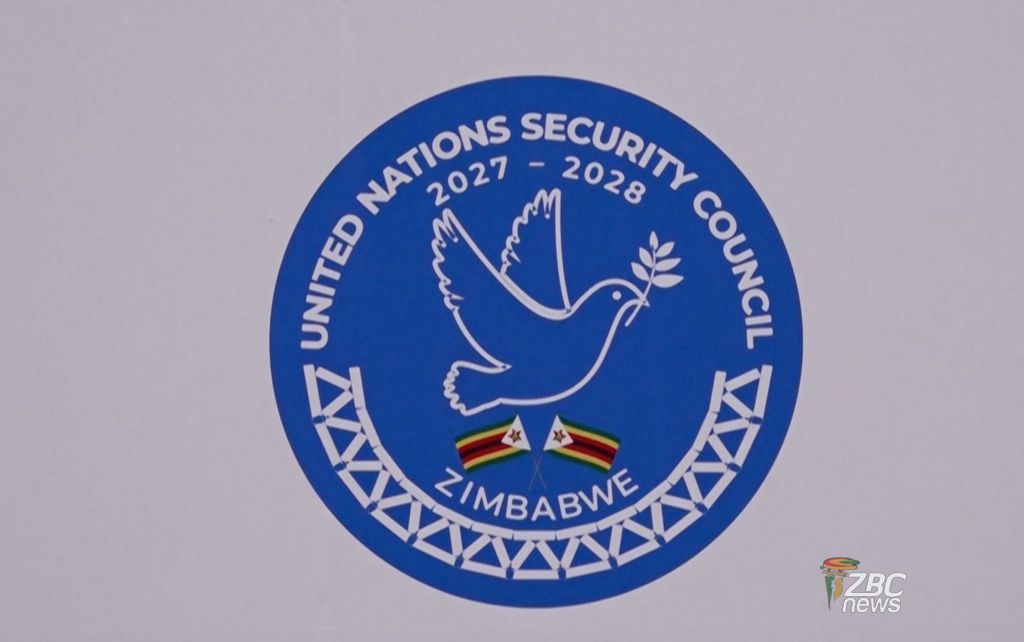
ZIMBABWE says it is ready to play a greater role in global peacebuilding and multilateral diplomacy as its campaign for a non-permanent seat on the United Nations Security Council (UNSC) enters the final stretch ahead of elections scheduled for June in New York.
Government says confidence is growing over Zimbabwe’s candidature, which is anchored on the principles of multilateralism, peaceful coexistence and the peaceful resolution of disputes.
Speaking on the campaign, Foreign Affairs and International Trade Minister Professor Amon Murwira said Zimbabwe’s bid is guided by constitutional values that align with international law and the founding principles of the United Nations.
“Zimbabwe stands for the respect of international law. Zimbabwe stands for the respect of peaceful coexistence and for peaceful resolution of disputes. Zimbabwe’s constitution is very compliant to the dictates of the United Nations. So, we behave by values, and values that are codified within our constitution. That makes Zimbabwe’s stance very robust because even in the international arena, our constitution is compliant to international law,” he said.
Professor Murwira said the coming weeks would be critical as Zimbabwe intensifies diplomatic engagements ahead of the June 3 elections.
“The next two weeks are going to be extremely busy in New York, but I think they are also going to be very exciting in terms of making sure that the world understands us and that we understand the world as Zimbabwe. His Excellency President Dr Emmerson Mnangagwa, who is our lead diplomat, who is our chief diplomat, laid out a strategy that we are following step by step and stone upon stone, culminating in the election of June 3. So, we are very confident indeed and we are looking forward to a good election,” he said.
The minister said Zimbabwe’s campaign is also tied to the Second Republic’s economic diplomacy agenda under the National Development Strategy Two (NDS2), which prioritises international cooperation, trade promotion and regional integration as drivers of sustainable development.
Professor Murwira said Zimbabwe would continue advocating for diplomacy as the primary tool for resolving global conflicts.
“Zimbabwe is going to emphasise the importance of multilateralism and inclusivity across all nations, big or small, following the ideal of sovereign equality of nations. Discussions must take place because the supremacy of diplomacy is what we are looking for. Diplomacy is supreme.
“As we say, war signifies failure of diplomacy. But at the end of the day, wars are ended through diplomacy. So why not diplomacy in the first place? It is all about diplomacy, and that is what Zimbabwe stands for.”
He added that economic integration and trade remain central to global peace and stability.
“So, what we think is the canvas or basis for peace is for people to integrate economically and take the supremacy of trade and diplomacy. Trade as an instrument of diplomacy is very important because trade talks about peace. Because I either grab or I trade. But in a good world, we trade,” he said.
Zimbabwe is also advocating for reforms to make the United Nations Security Council more inclusive and reflective of current global realities.
Government believes securing a seat on the UNSC would strengthen Zimbabwe’s international engagement while amplifying Africa’s voice on global peace, security and development issues.

