



Story by Abigirl Tembo
SURVIVORS of gender-based violence (GBV) in Bubi District are finding hope and empowerment through the “Women at the Centre” project, a collaborative initiative between the government and the United Nations Population Fund (UNFPA).
The “Women at the Centre” programme which was launched in February by the government of Zimbabwe through the Ministry of Women Affairs, Community, Small and Medium Enterprise Development in collaboration with the United Nations Population Fund (UNFPA) and other partners focuses on providing increased support to survivors of Gender Based Violence (GBV) through quality case management.
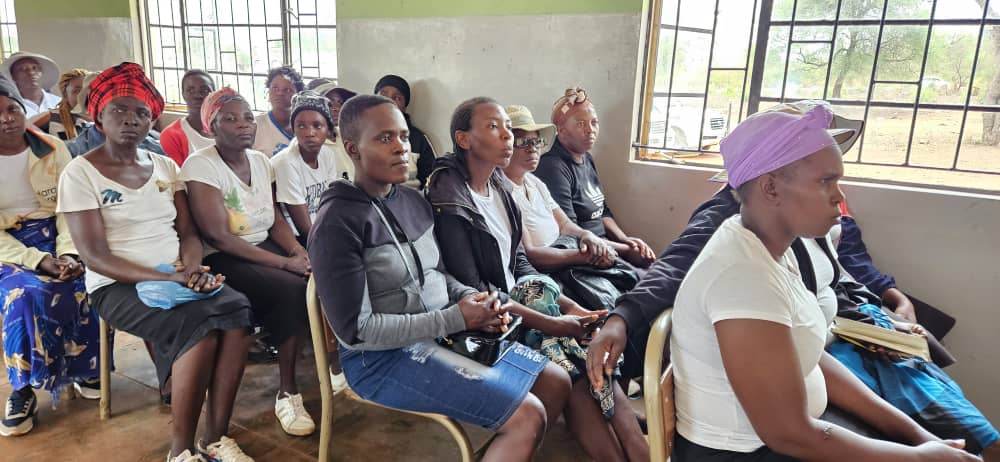
The programme, through its safe space and mobile one-stop centres, is providing a vital lifeline for numerous women in Bubi District, empowering them to seek help and break the cycle of violence.
“For more than 10 years I was abused by my husband. He would physically assault me and I ended up seeking a protection order against him. The problem most of the time was the lack of money in our home. I started coming to the safe space and met other women who helped me to open up about my situation and I got help to become financially independent through the projects we are doing here. I want to encourage other women to work hard for their families because waiting for the man to always provide makes them vulnerable to abuse. If you have your own source of income, you can have peace of mind,” said a survivor.
“I was physically abused by my husband for more than five years. He would assault me and the children and he would not bring food for us. When the safe space came, we got educated about how we can reduce GBV and some of the things we were taught helped me to turn my life around. I received a lot of education and we were trained on how to make detergents, foam baths, petroleum jelly and other products. My husband was approached by some behaviour change facilitators and he has changed, we now live in peace,” narrated a survivor.
Behaviour Change Facilitator Busani Ngwenya said, “We aim to reduce the gender-based violence cases in the area. We realised that most men do not want to be part of programmes that have women leading them. So in my area, I engaged the village head to have a men’s forum where we discuss various issues happening in our area. I then take advantage of having them there to discuss issues of gender-based violence. We realised that some men are also being abused so these are the issues that come out. We teach each other about ways to report and get assistance for those men. We also advise those who perpetrate GBV against women against such acts.
“Men usually take the burden of supporting the family financially but when the money does not come, it causes GBV so, this programme is helping women to become financially independent and they can assist the husband to support the family thereby reducing GBV incidents.”
The programme’s success is attributed to collaborative efforts between government ministries and partner organisations.
Ministry of Women Affairs, Community Small and Medium Enterprise Development’s district Development Officer, Mr Davidson Mawarire said, “When you see a district reporting at least around 30 to 40 cases of rape cases per month sometimes, that shows the situation is bad. Most of the perpetrators of the cases, especially the rape cases are close family members. Ever since the start of the Women at the Centre Programme, we have seen an increase in the reported cases. We have about 824 cases reported through the mobile one-stop centre and we now have men reporting. We have about 32 cases of men that have reported cases of GBV, where women are also perpetrators.”
“A safe space is a walk-in centre where women can come through, women and young girls, vulnerable mostly in all sorts of ways, be it poverty, women living with disabilities and also GBV survivors. They come into the centre and receive psychosocial support from a trained mentor who gives counsel and they also benefit from group sessions as they discuss their different challenges in terms of GBV and other issues that affect women within the community. So within the safe spaces, they also have economic strengthening activities. The economic strengthening component is important as most GBV cases emanate from financial issues,” World Vision’s programme coordinator Rudo Tinarwo said.
The programme has enhanced referral pathways, connecting survivors with essential services.
By prioritising economic empowerment, the programme is also tackling a leading cause of GBV, financial instability.

