



Story by Fungai Jachi
GOVERNMENT has reaffirmed its commitment to sustaining the school feeding programme across the country, describing the initiative as critical in improving learner retention, concentration and academic performance.
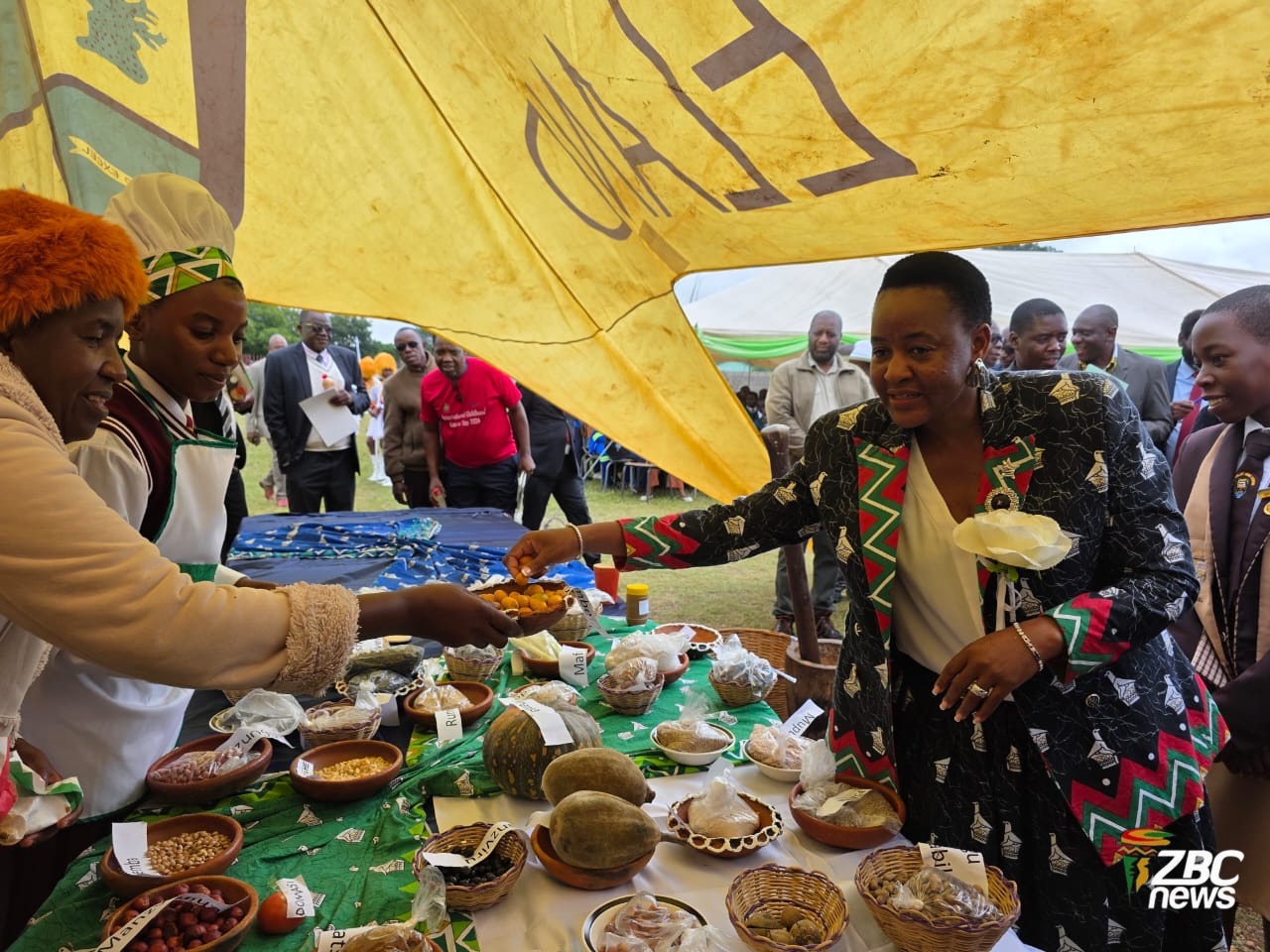
The remarks were made during commemorations to mark the 11th edition of the Africa Day of School Feeding held in Chiredzi this Thursday.
Across Zimbabwe, access to hot nutritious meals at school has become part of daily learning, with learners saying the programme has improved both their classroom experience and academic performance.
“Knowing that we are going to get this meal has helped us work even harder in school because we gain energy from the food,” a learner said.
Another learner noted that the programme has improved concentration and attendance.
“I always look forward to the meal because it is hot and nutritious. This has helped us stay in school, as we will not be hungry because when someone is hungry, they do not concentrate. Our grades have improved,” the learner said.
Communities and development partners are also complementing Government efforts by supporting schools with food supplies and nutritional assistance.
“We realised that for learners to stay in school, they need food, so we provide local schools with Maheu, which is nutritious, as a way of assisting this Government-led initiative,” Malilangwe Trust General Manager for Human Resources and Community Development, Mr Tendai Nhunzvi said.
Members of community support groups say the programme has encouraged school attendance.
“As mothers, we realised that we should assist our children, so we grow crops and cook for the learners. More learners are now coming to school because of this programme,” CAMFED Mother Support Group member, Mrs Emma Mukwena said.
Deputy Minister of Primary and Secondary Education, Honourable Angeline Gata, who presided over the commemorations, said the programme aligns with National Development Strategy Two (NDS2) and Vision 2030 through investment in human capital development.
“As we commemorate today, let us remember that when we feed a child, we feed a nation’s hope. A hungry child cannot concentrate in class, and a malnourished child cannot reach their full potential. Let us ensure that we improve the nutrition and health status of our pupils by serving nutritious school meals that contain the four components of a balanced diet,” she said.
She added that the Home-Grown School Feeding Programme is also empowering communities and supporting local economies through the involvement of smallholder farmers.
“The Home-Grown School Feeding Programme improves livelihoods, creates employment for local smallholder farmers, and empowers communities by generating income from selling their farm produce to schools, thereby creating a win-win solution for everyone,” Honourable Gata said.
The Africa Day of School Feeding was established by African Union Heads of State and Government during the 26th African Union Summit in January 2016 in recognition of the importance of home-grown school feeding initiatives.
Government continues to work with communities and development partners to ensure schools are adequately resourced as the country advances its inclusive development agenda under the mantra of leaving no one and no place behind.

