



Story by Tichaona Kurewa
ZIMBABWE and Zambia have approved a Public-Private Partnership (PPP) funding model and established a Resource Mobilisation Committee to accelerate implementation of the Batoka Gorge Hydro-Electric Scheme (BGHES), a major cross-border power project expected to generate 2 400 megawatts of electricity on the Zambezi River.
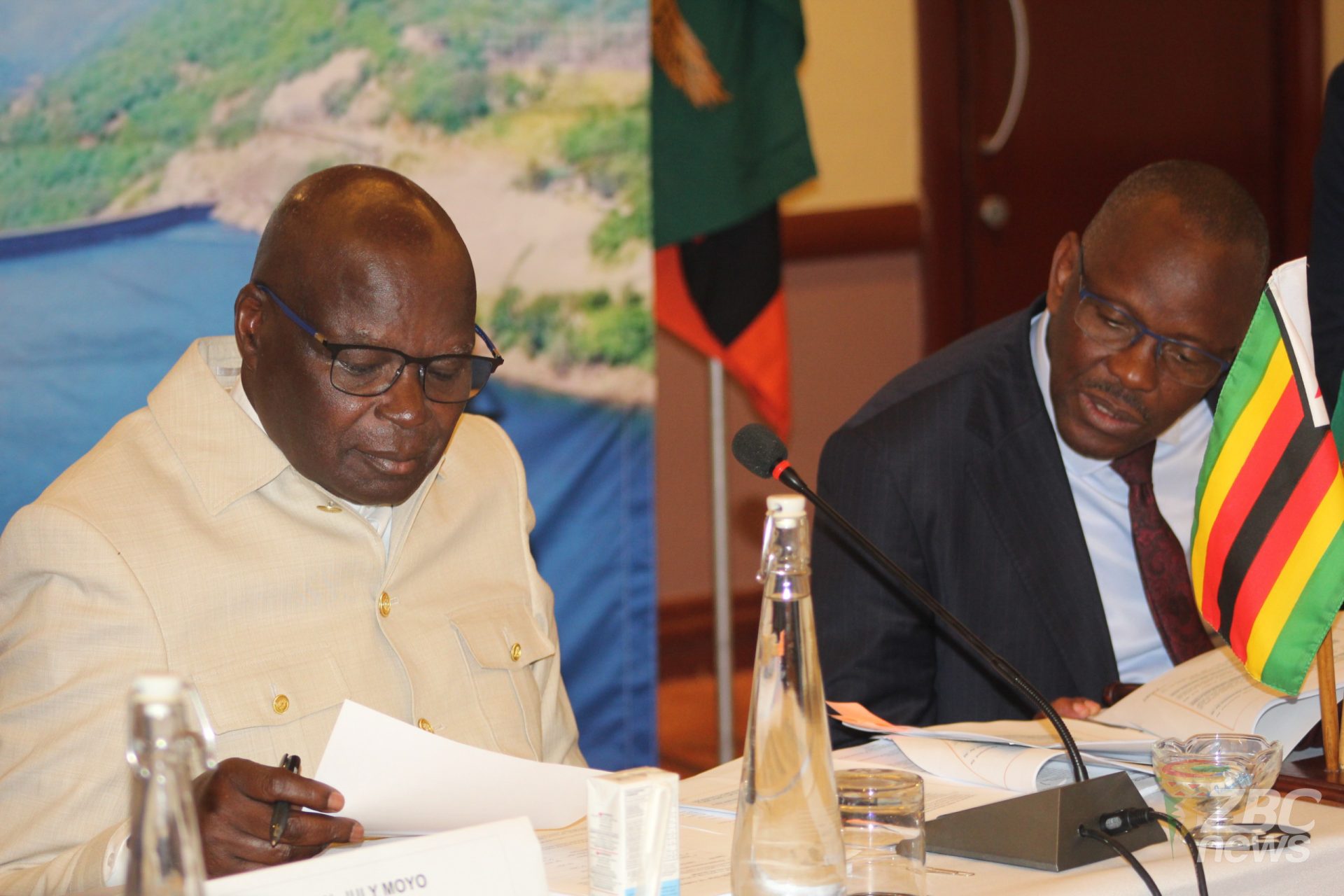
The decision was announced in a communiqué issued at the close of the 43rd Zambezi River Authority (ZRA) Council of Ministers meeting held in Victoria Falls, where the two countries revised the project’s funding structure to a PPP arrangement.
The Council of Ministers also reviewed progress on several bilateral issues, including the prevailing hydrological situation on the Zambezi River, amid ongoing efforts to strengthen regional energy security.
Permanent Secretary for Electricity in Zambia and Zim–Zam Council of Ministers Co-Secretary, Engineer Arnold Simwaba, said the two governments had reaffirmed their commitment to the PPP model and agreed on equity contributions to support the project.
“The Council of Ministers reaffirmed the adoption of a Public-Private Partnership model and approved an equity contribution of US$220 million by each government. This includes exploring equity partnerships to enhance the project’s bankability. The allocation will support dam construction for the budget cycle beginning in 2026, over flexible timelines,”Permanent Secretary for Electricity (Zambia) & Zim–Zam Council of Ministers Co-Secretary),” Engineer Arnold Simwaba said.
To further hasten progress, the Council resolved to strengthen resource mobilisation for the project through the establishment of a dedicated committee.
“Council further noted the establishment of a Resource Mobilisation Committee whose objective is to raise funds for the publicly owned dam infrastructure component. These efforts will be spearheaded by the Ministers responsible for Finance,” Engineer Simwaba noted.
Implementation of the more than US$4 billion Batoka Gorge Hydro-Electric Scheme has progressed slowly, largely due to the ongoing updating of engineering feasibility and environmental studies, prompting the latest funding and institutional interventions.
First conceived in 1972 following a comprehensive study commissioned by the then Central African Power Corporation, the Batoka Gorge project is expected to deliver 2 400 megawatts of electricity, to be shared equally between Zimbabwe and Zambia once completed.

