



Story by Kenias Chivuzhe
ZIMBABWE’S drive to expand the national cattle herd is gathering momentum, with a Mashonaland East-based Boran stud breeder investing in high-value genetics and modern breeding technologies to scale up production.
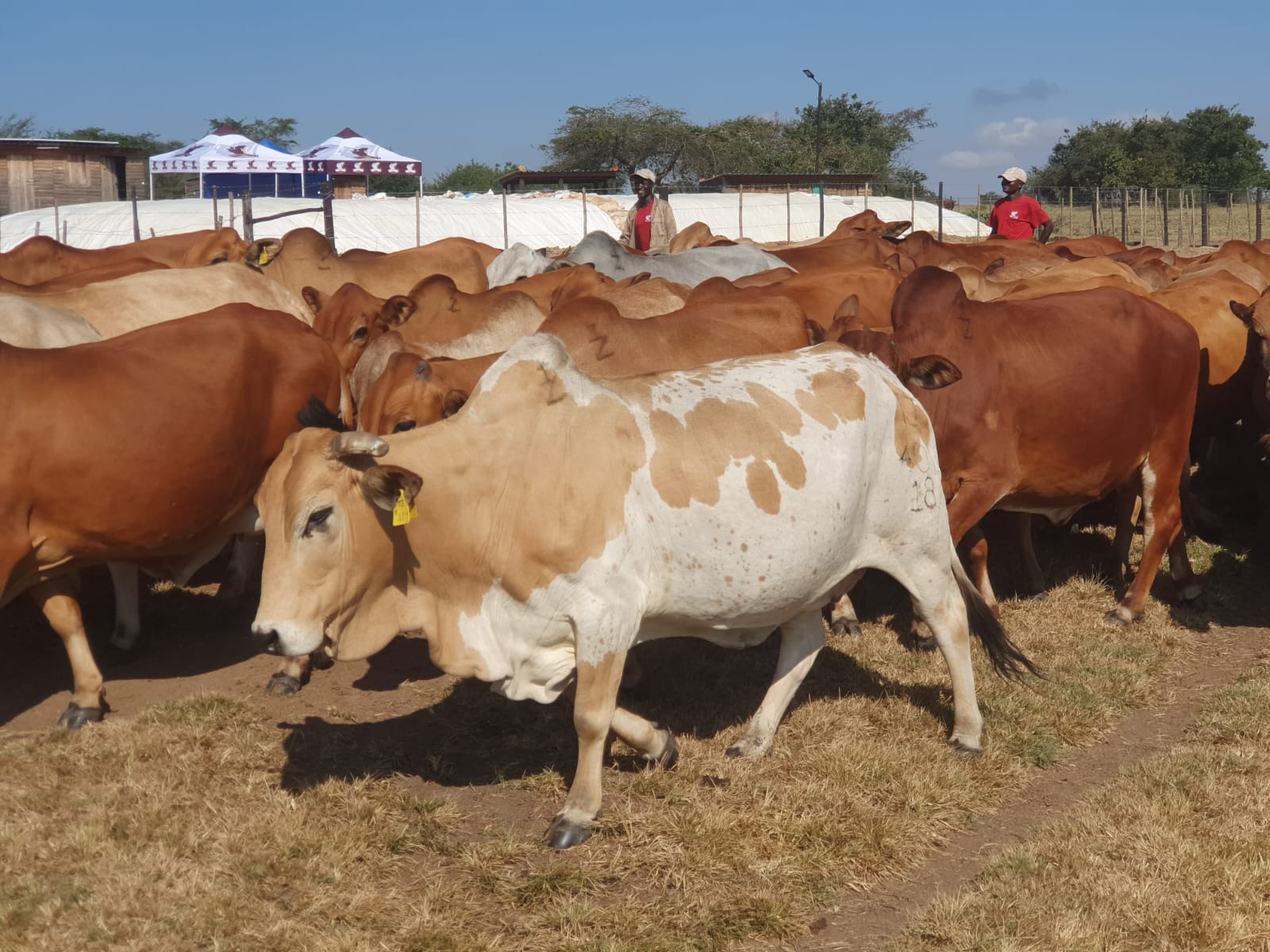
Sinyo Boran Stud, founded by cattle breeder Mr Collen Tafireyi in 2021, has grown its herd to more than 3 000 cattle and is targeting 7 000 within the next four years.
The Wedza-based project, which began during the COVID-19 pandemic, is emerging as one of Zimbabwe’s fastest-growing stud breeding enterprises.
“I started this project during the COVID-19 era in 2021. The passion grew as I researched more about the Boran breed. Our herd now stands at slightly above 3 000, and our aim is to become the breeder of choice nationally and regionally,” Mr Tafireyi said.
The breeder attracted regional attention after purchasing a record-breaking Boran bull named Cyclone from South Africa for eight million rand.
Mr Tafireyi said the investment is now driving herd expansion and improving livestock quality through advanced reproductive technologies.
“We are implementing artificial insemination and embryo transfer programmes, which are the fastest ways to expand the herd. On average, we are getting over 650 calves per season,” he said.
He added that more than 60 calves and over 200 embryos linked to the prized bull have already been produced, with projections of more than 1 000 calves in 2026 alone.
Permanent Secretary in the Ministry of Lands, Agriculture, Fisheries, Water and Rural Development, Professor Obert Jiri said improved genetics, nutrition and animal health are critical to achieving national herd growth targets.
“What we are seeing here is top-notch genetics under the Boran breed. In livestock production, three things matter: genetics, nutrition and animal health,” he said.
Professor Jiri said Zimbabwe’s cattle herd, currently estimated at more than 5.7 million, is expected to surpass six million by 2030 if modern breeding models are expanded into communal farming areas.
“If this model is cascaded into rural and communal areas, we will see rapid growth of the national herd,” he added.
Government is promoting the adoption of technologies such as artificial insemination and embryo transfer as part of broader efforts to modernise livestock production, improve productivity and reduce cattle mortality.

