



Story by Tapiwa Machemedze
NEARLY 600 residential stands have been serviced and are now ready for allocation in Mvurwi, as Zimbabwe steps up efforts to meet its housing delivery targets under the National Development Strategy.
The Mbizi Residential Project implemented by the local authority is expected to ease housing shortages in the rapidly growing town, with residents welcoming the initiative as a major boost to improved living conditions.
“This housing programme is warmly welcomed towards Vision 2030, it has uplifted the vision of the President, there is a target of one million houses, and we are contributing to that target,” a resident said.
“Housing space was scarce in Mvurwi, but with the building of houses and stands, it will improve. When shelter is available, life improves,” another beneficiary added.
The Minister of National Housing and Social Amenities, Professor Paul Mavhima, said such projects should be replicated nationwide, particularly those targeting low-income earners.
“All local authorities can start projects like this, there is a clear demonstration that this can be done. This is being done on a model where beneficiaries are paying bit by bit for land, they are conforming with government policy to say full servicing should be done prior to people coming on site, so we are very happy about that. This is the way to go to reach our milestone of one million housing units by 2030,” he said.
The project has created 617 stands, including 571 residential stands, supported by critical infrastructure such as water and sewer systems.
Mashonaland Central Permanent Secretary for Provincial Affairs and Devolution Mr Timothy Maregere commended the initiative while calling for increased funding to expand housing delivery, particularly for civil servants.
“Mashonaland Central has land availed by all local authorities for construction of residential flats. We therefore appeal for your assistance in unlocking funding for new and old projects, particularly the construction of housing for residential flats for civil servants,” he said.
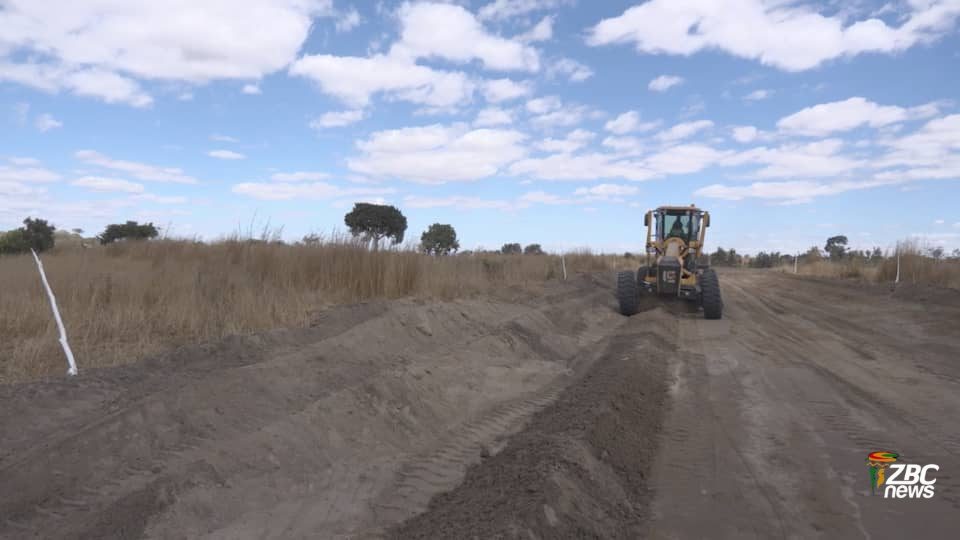
Servicing of water reticulation and sewer infrastructure is nearing completion, alongside ongoing road construction, with stand sizes ranging between 450 and 800 square metres.
The project also includes a three-kilometre trunk sewer line set to benefit about 2 000 existing residential stands in Suwoguro, Kurai and Rusununguko, improving water and sanitation services.
An inclusive allocation framework has been adopted, with 60 percent of stands earmarked for the public, 20 percent for war veterans, and 10 percent for civil servants, while women and youth will each receive five percent of the allocations.