



Story by Oleen Ndori, Foreign Editor
THE African Peer Review Mechanism (APRM) has expressed confidence that Zimbabwe is on course to attain an upper-middle-income status by 2030, following progress made in implementing governance and economic reforms.
A delegation from the APRM visited Zimbabwe in November 2025 to assess the country’s performance in economic governance and management, with its findings later presented and adopted at the 35th African Forum of Heads of State and Government held in Addis Ababa on the sidelines of the African Union Summit.
Attention has now shifted to the formulation of a National Programme of Action, with a workshop currently underway in Harare to align recommendations with national priorities.
Chairperson of the National Governing Council, Ambassador James Manzou described Zimbabwe’s presentation at the continental forum as a milestone achievement.
“One of our proudest moments during the 35th summit of the APRM in Addis Ababa was the presentation by President Dr Emmerson Mnangagwa on Zimbabwe’s first-ever report on the APRM review, which focused on economic governance and management.”
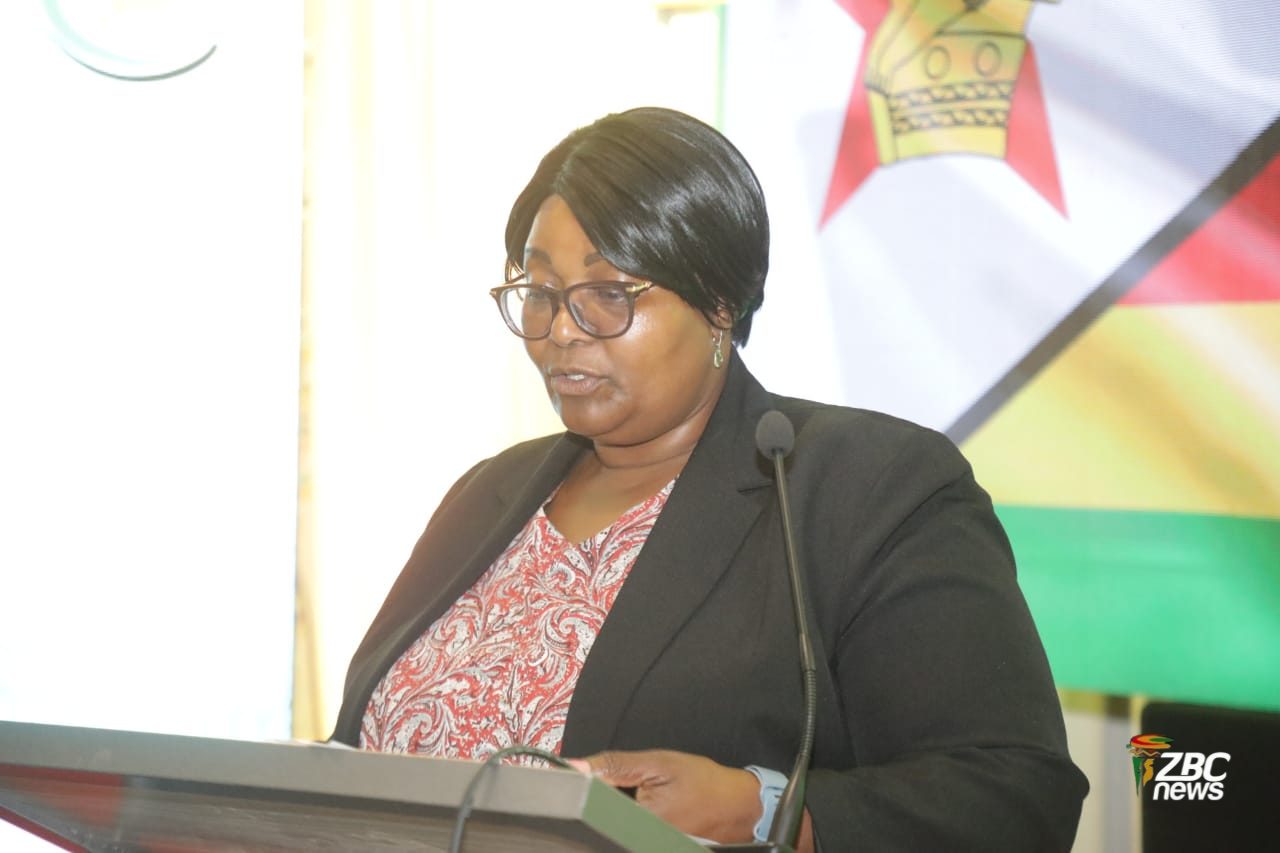
Chief Director for Multilateral Affairs in the Ministry of Foreign Affairs and International Trade, Mrs Patronella Nyagura, said the country is now focused on implementing the recommendations.
“We are looking at every recommendation, not only analysing them, but also aligning them with our national development strategy to determine where they fit. We are now at the implementation stage. The technical expertise, strategic guidance and partnership extended during the targeted review process have been instrumental in shaping the outcomes upon which we now build. We value this collaboration and remain confident in the Secretariat’s continued support.”
The APRM Secretariat, represented by Dr Rachel Makunana said the National Programme of Action will ensure alignment between the review recommendations, the African Union agenda and Zimbabwe’s National Development Strategy 2.
“Our task today in the course of this week is to see the recommendations provided by the citizens, which are included in the NDS2 and those that are not in the NDS2, so that we can do that kind of alignment,” she said.
Zimbabwe was commended for progress in key areas including economic governance, the establishment of village business units and the use of performance contracts, which the APRM says are contributing to improved livelihoods.
The developments reinforce Zimbabwe’s trajectory towards achieving its Vision 2030 goal of becoming an upper-middle-income economy.

