



Story by Memory Chamisa
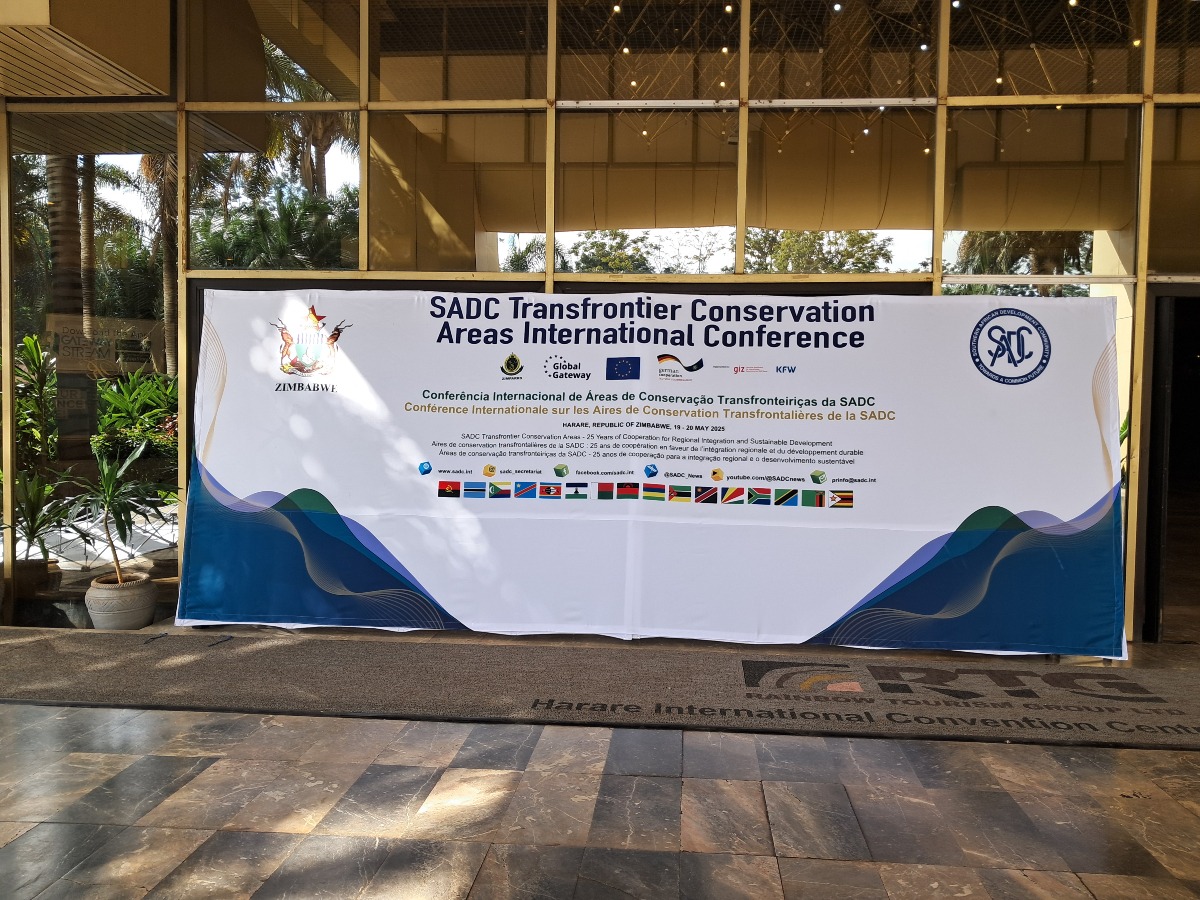
HARARE – THE second day of the Southern African Development Community (SADC) Transfrontier Conservation Areas (TFCAs) Conference in Harare, this Tuesday saw stakeholders underscore the importance of local authority and community involvement in the management of transboundary conservation zones.
As the conference marked 25 years since the inception of the TFCA programme, discussions centred on sustainable conservation financing, wildlife management, ecotourism, and inclusive development for communities residing within conservation zones.
Professor Patience Gandiwa, Director for International Conservation at the Zimbabwe Parks and Wildlife Management Authority, said TFCAs represent a vital tool for regional cooperation, especially in biodiversity protection and climate resilience.
“Nature knows no borders and neither should conservation. We are working with partners to drive cross-border conservation, empower local communities, and ensure ecological sustainability. Panellists also agreed to prioritise wildlife population management and address the increasing impact of climate change on conservation,” she said.
TFCAs, by design, promote regional cooperation in managing natural resources shared between countries, boosting biodiversity, community beneficiation, and cross-border ecotourism.
Mr Luis de Torres Bonaechea, European Union Agriculture and Environment Programmes Manager, welcomed the strengthening of the SADC TFCA Programme for 2023–2033.
“We look forward to an actionable roadmap, which includes new binding agreements to establish more TFCAs, joint management frameworks, and long-term sustainable financing models between SADC Heads of State and international development partners,” he said.
Dr Mike Knight, Transboundary KAZA (Kavango-Zambezi) Programme Leader with the World Wide Fund for Nature (WWF), highlighted the economic importance of conservation tourism.
“Many iconic tourism sites in southern Africa lie within TFCAs. The TFCA model enhances regional tourism, generating employment and reducing poverty in marginalised areas. It promotes a community-centred and regionally integrated approach to conservation,” he said.
Delegates further addressed the urgent regional challenge of elephant overpopulation, which continues to fuel human-wildlife conflict, ecological strain, and unsustainable conservation costs.
The conference aims to propose regional solutions to manage wildlife populations more effectively, while aligning conservation with the socio-economic development agenda.
The TFCA initiative first adopted in 1999 continues to serve as a flagship model for cross-border ecological cooperation, underpinned by the principles of sustainable use, stakeholder inclusivity, and regional integration.

