



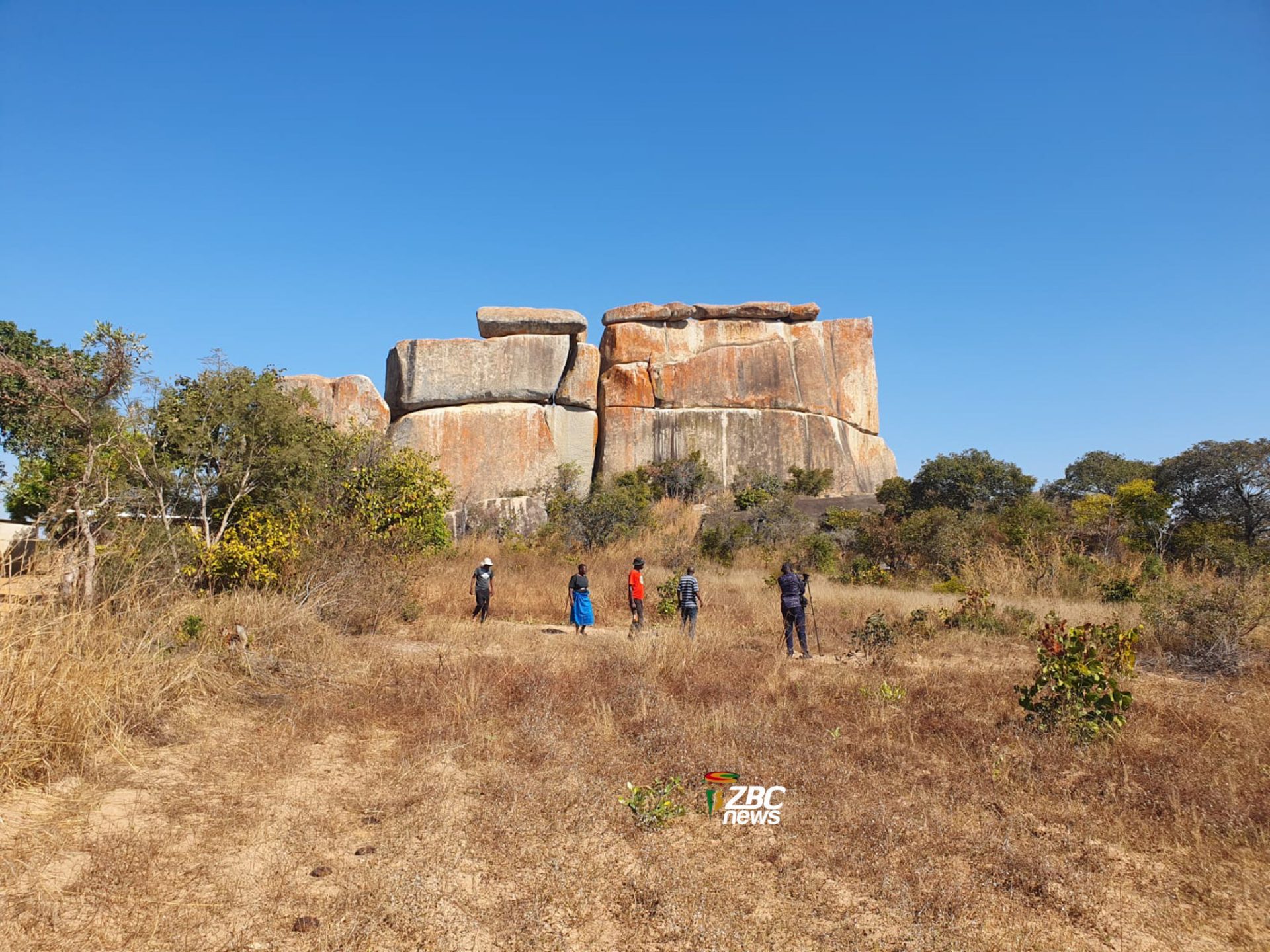
Story by Kenias Chivuzhe
MUREWA District is home to some of Zimbabwe’s most striking rock formations, where spectacular geological features, cultural heritage and local traditions combine to create unique tourist attractions.
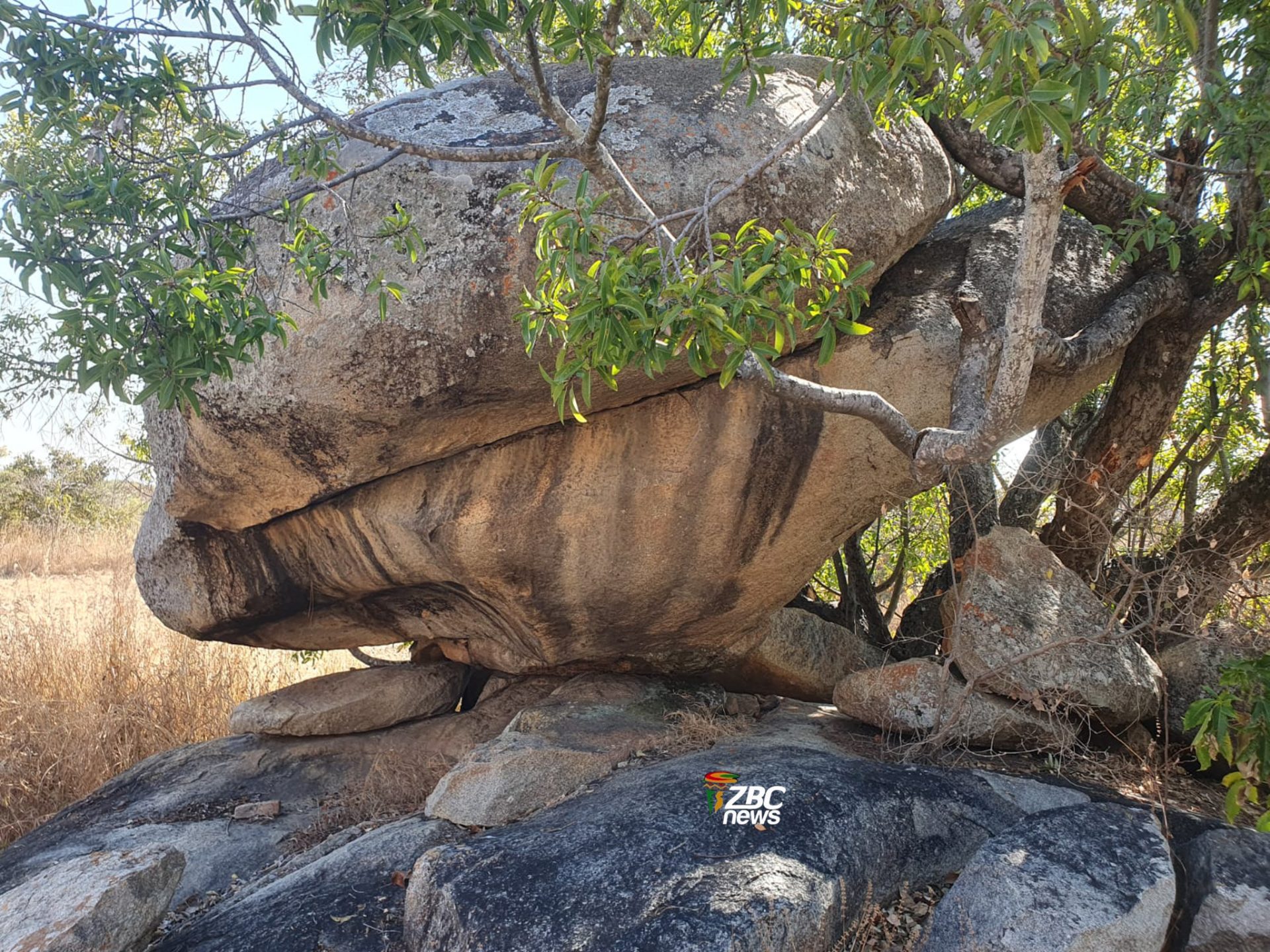
As part of an exploration of the myths and scientific explanations behind the country’s natural landmarks, the ZBC Mashonaland East Bureau visited the district, where towering mountains and gravity-defying balancing rocks have endured for centuries.
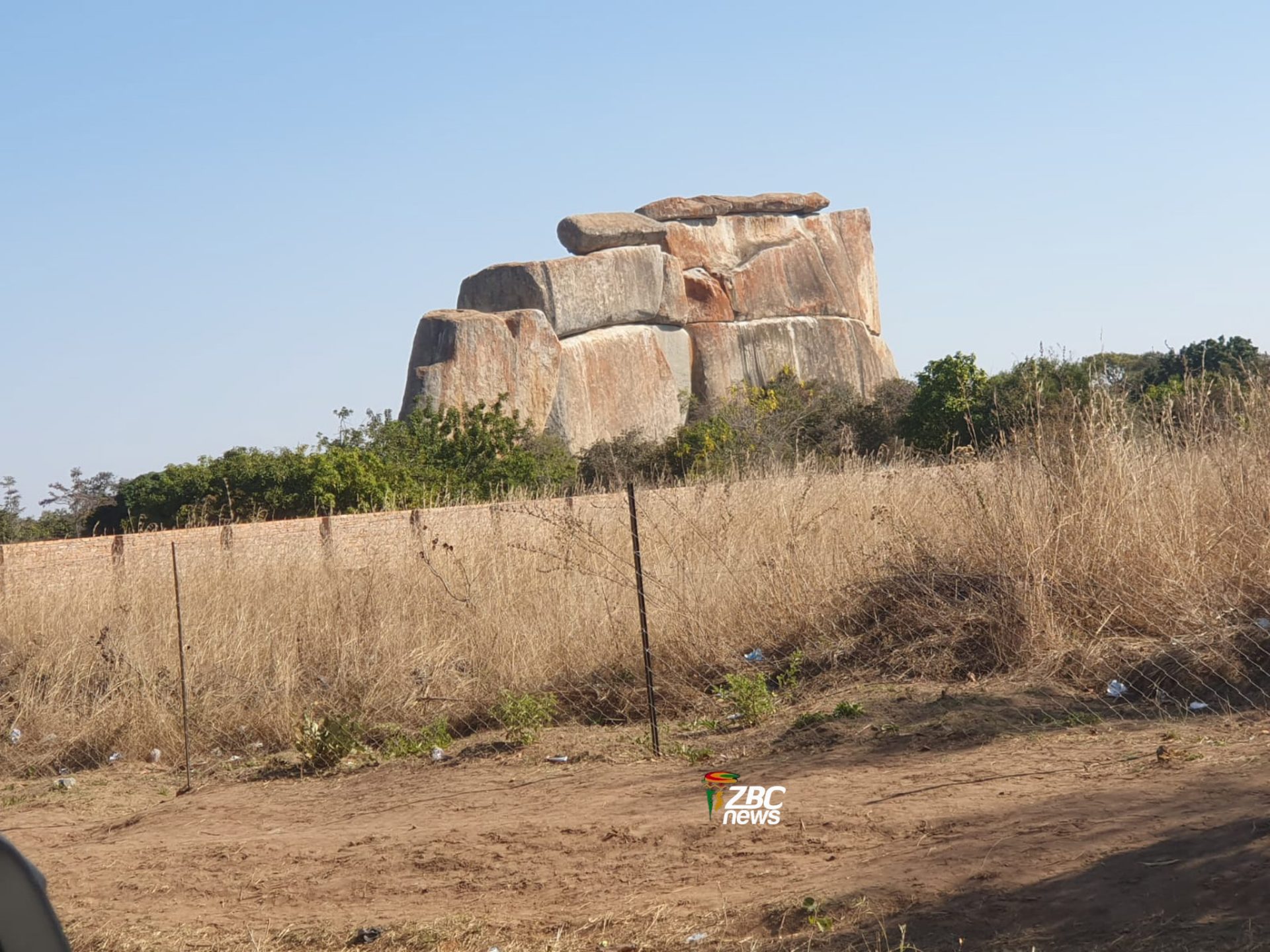
Among the best-known landmarks are the balancing rocks along the Marondera-Murewa Road and the imposing Castle Kopje in Makombe Village, both of which continue to attract local and international visitors.
Resident Mr Tapiwa Mupedza said science offers the most likely explanation for the formation of Ruvinga Mountain, although the site also holds deep cultural significance for the community.
“We grew up seeing this mountain just as it is. There are theories on how this magnificent Castle Kopje was formed, with science pointing to weathering processes. Soft rock areas were affected through chemical weathering, leaving these rock formations,” he said.
A villager said Ruvinga Mountain has long attracted tourists interested in its unique landscape and birdlife.
“This mountain is known as Ruvinga in Makombe Village. Some tourists come here to see unique bird species. It is difficult to climb, and one man known as Vadenga only managed to reach halfway,” the villager said.
Residents also described the mountain as an important cultural site where rain-making ceremonies were once held.
“At the foot of this mountain is a muhacha tree where rain-making ceremonies took place. Elders communicated with the spiritual world during the rituals, a process known as Chipwa,” a community member said.
Nearby Ndambakurimwa, also known as Demwa Mountain, is regarded as another sacred site where rain-making ceremonies continue to be conducted and where traditional leaders are believed to have been buried.
One villager recalled exploring a cave within the mountain.
“There is a large cave known as Ninga. As a child, I walked about four-and-a-half metres into it before turning back because of the darkness. We could see objects that looked like stars inside,” he said.
Another resident said the mountain was once home to early settlements.
“Long ago, our ancestors lived on that mountain, and the settlement was known as Nzanga,” the community member said.
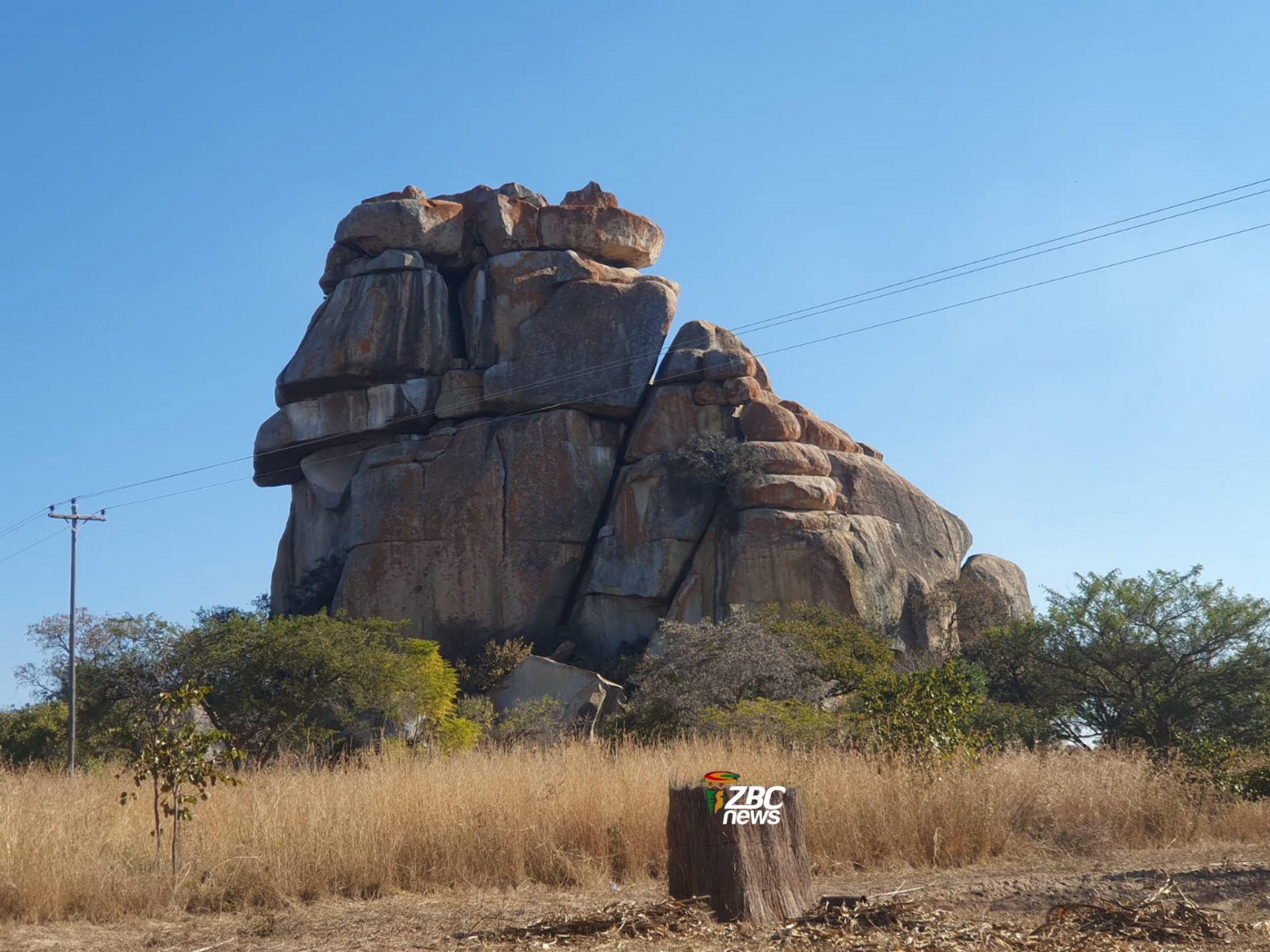
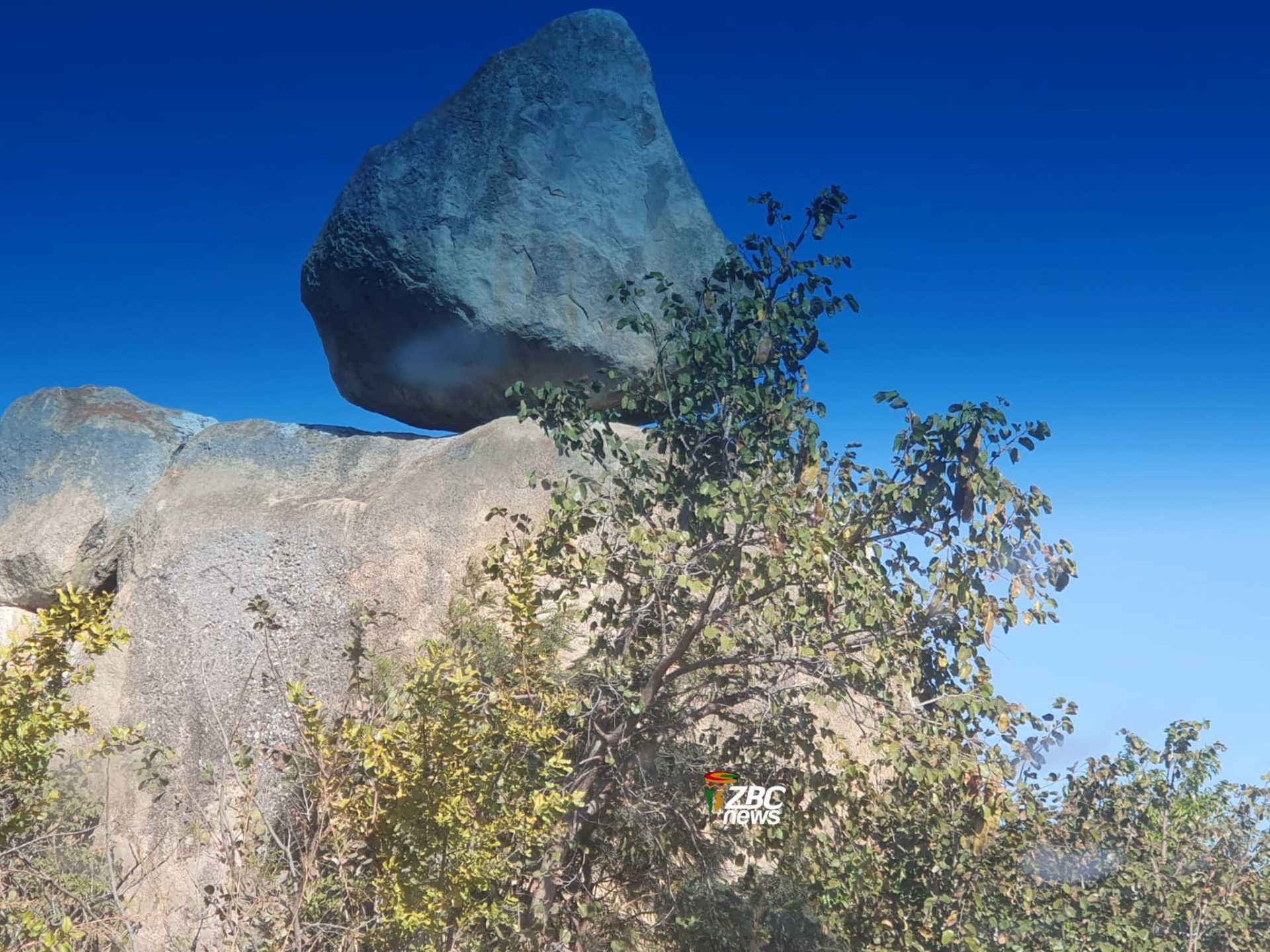
The district is also home to the Rukodzi and Chigogodza rock formations, renowned for their balancing rocks.
“Most people visit Rukodzi to see the balancing rocks. They appear as though they were arranged by people, but we have always known them to be like this. Even baboons, monkeys and children climb the mountain,” said an elderly resident.
Another resident marvelled at the resilience of one of the balancing rocks.
“This huge rock rests on very small stones that produce a musical sound when struck. We have watched it withstand every storm. Only God could create such a feature,” the resident said.
While many of Murewa’s rock formations are steeped in folklore and tradition, others stand as enduring examples of nature’s craftsmanship, shaped over millions of years and continuing to draw visitors from across Zimbabwe and beyond.

