



Story by Oleen Ndori, Foreign Editor
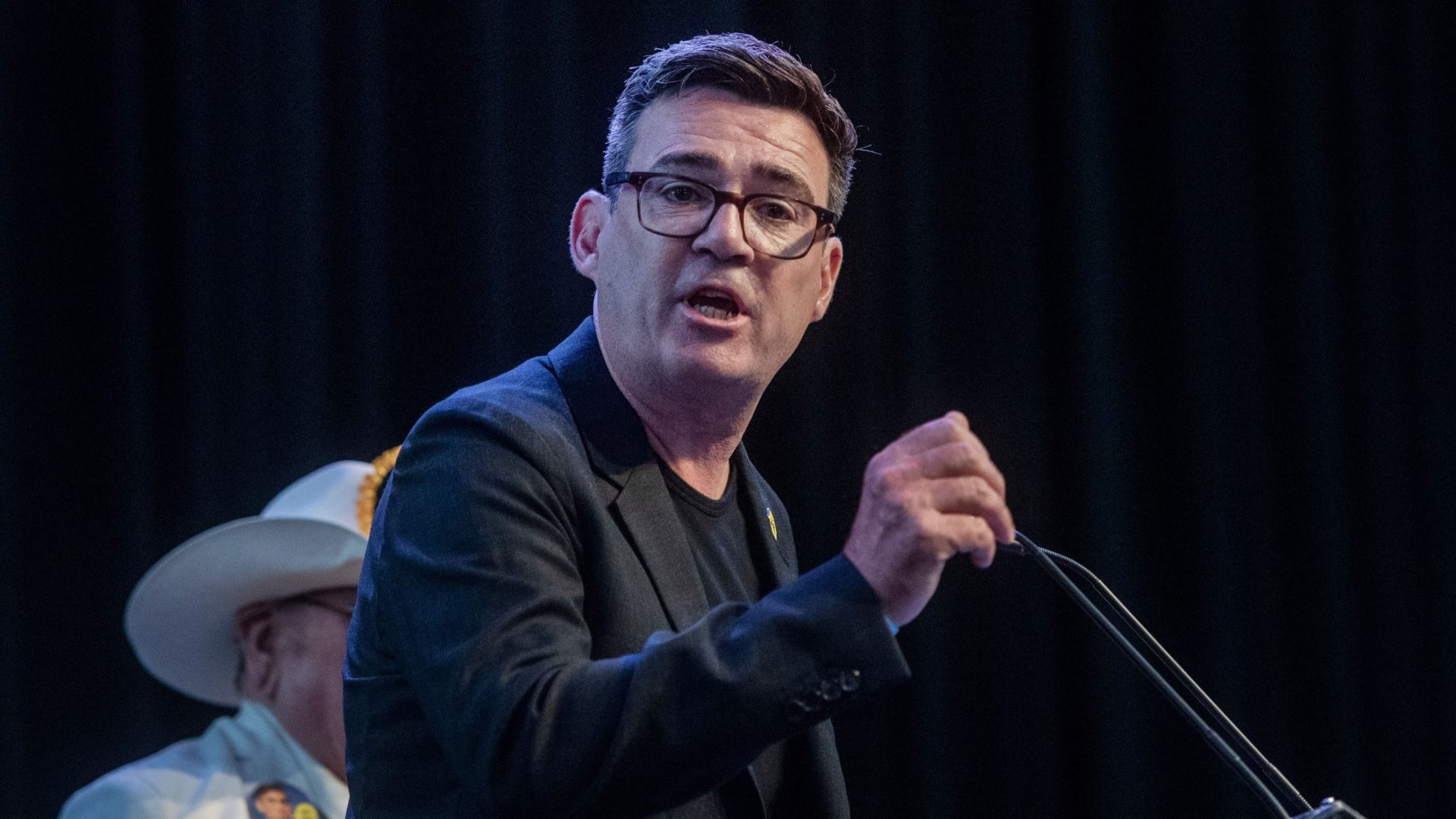
BRITAIN has a new Prime Minister after the resignation of Sir Keir Starmer, with Andy Burnham taking over the United Kingdom’s top political office after being elected leader of the governing Labour Party.
Burnham travelled to Buckingham Palace, where King Charles III invited him to form a new government, before delivering his first address outside 10 Downing Street.
In his inaugural speech, the new British leader acknowledged growing public frustration with politics, saying successive governments failed to meet citizens’ expectations and promising to restore stability, accountability and confidence in government.
“We have not been good enough and we need to be better. We will be. We will make this moment a circuit breaker for Britain, bringing forward the biggest changes in the last 40 years. A new political model and a new economic model,” Burnham said.
He said his government would focus on decentralising political power, rebuilding industries and strengthening public services, arguing that Britain needed a new approach to governance.
“We will change politics to make it more collaborative, more about problem-solving than point scoring and we will take power out of here and carry it into every postcode in the land so that they can do more. In doing more, build a new economy where we put life’s essentials back under stronger public control to make them affordable to you again, re-industrialising Britain, using public procurement to back British industry.”
He also announced that his government will unveil a 10-year national development plan later this year aimed at re-industrialising Britain and strengthening public services.
“Later this year, I will bring forward a new plan for Britain, a 10-year plan, laying out a path from where we are now to where I believe we all want Britain to be, wherever we are coming from, whatever party we support. I can do something to give people some breathing space now, some help with the cost of living and I will set out some of those measures starting tomorrow, including how we pay for them. We will help more young people into work by changing the education system and giving them more support, more mental health support, and we will build more council homes.
“That is the fair and sustainable way to bring the welfare bill down, to meet our fiscal rules and to honour our commitments on defence to our international partners. We will help people to live well, building a more preventative state, investing in people’s success rather than paying for failure and that work starts now. It is about putting the right values and the right standards at the heart of government.”
The change in leadership comes after Sir Starmer announced his resignation last month after mounting political pressure and a series of controversies that weakened his administration.
Burnham became Labour Party leader unopposed last week and assumes office without a general election, under Britain’s parliamentary system, where the governing party can replace its leader during a parliamentary term.
The next United Kingdom general election is scheduled for 2029, although the new Prime Minister retains the power to call an earlier poll.
Sir Starmer now joins Britain’s growing list of former prime ministers, bringing the number of living former premiers to nine, including John Major, Tony Blair, Gordon Brown, David Cameron, Theresa May, Boris Johnson, Liz Truss and Rishi Sunak.

