



Story by Bruce Chahwanda, Political Editor
GOVERNMENT is pushing towards strengthening the legislative framework, policies, strategies plans and institutional arrangements for disaster risk reduction in the face of climate change.
The world has over the years become prone to devastating natural disasters displacing people and destroying infrastructure owing to climate induced challenges.
This has pushed Zimbabwe to come up with legislative frameworks which are ideal towards dealing with disasters with stakeholders converging in Harare to input towards the Disaster Risk Management Bill.
”We are in the process of amending the Civil Protection Act, Chapter 10:06 and we hope this Bill will be preventive in nature and the whole idea is to protect. We want to come up with an instrument which can pre-empt these disasters,” Civil Protection’s Chief Director Mr Nathan Nkomo said.
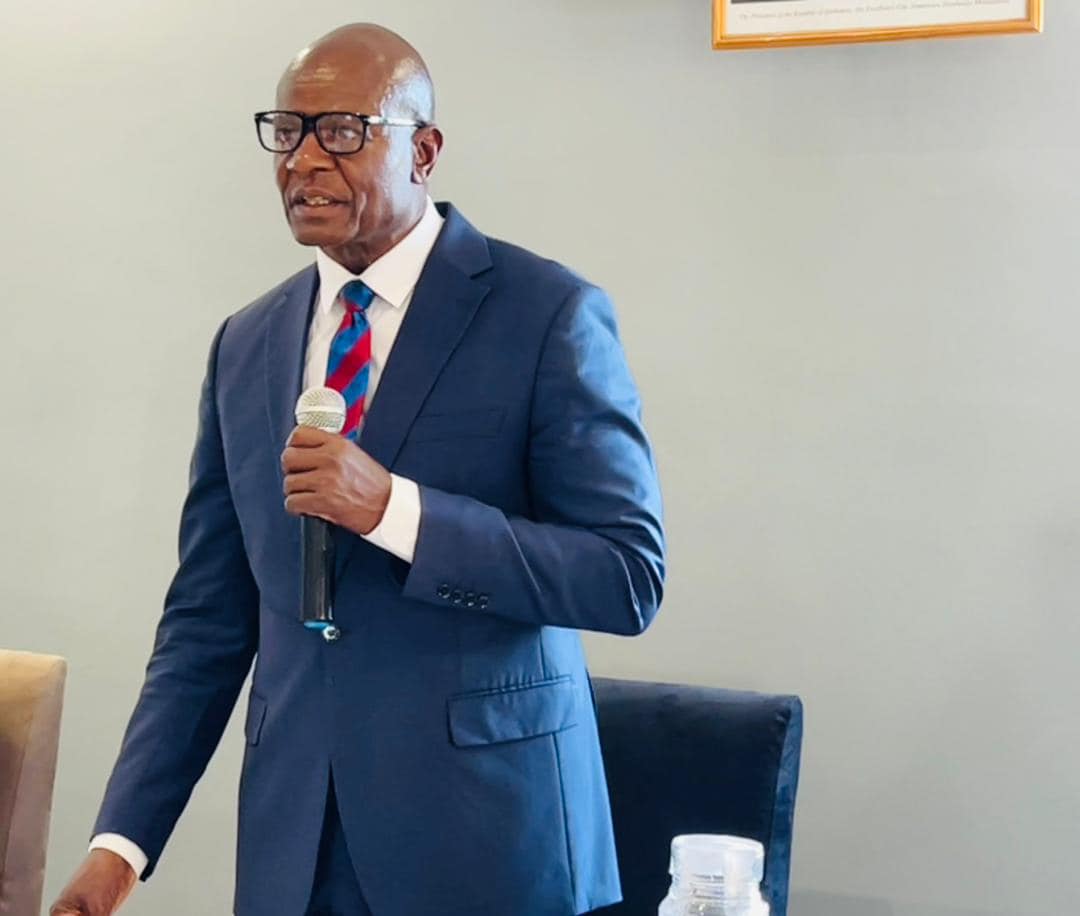
Minister of Local Government and Public Works Honourable Daniel Garwe said disaster risk governance must be comprehensively strengthened.
”This is a testimony that our world is becoming increasingly hazardous. It is therefore imperative that disaster risk management be comprehensively strengthened by updating and realigning legislative frameworks, policies, strategies plans and institutional arrangements that provide the foundation for disaster risk reduction. Indeed, strengthening disaster risk governance is one of the four priorities for action set out in the Sendai Framework for Disaster Risk Reduction 2015-2030,” he said.
He added that government notes that the process must be inclusive leaving no one and no place behind.
”It is government’s responsibility to provide the enabling legislative framework under which disaster risk reduction operates. Government initiates disaster risk reduction programmes through the relevant ministries, departments and agencies with the recognition that no single entity can by itself safeguard populations against the threat of disasters. As espoused by President Emmerson Mnangagwa, let me hasten to say that this process should leave no-one and no place behind,” he said.
The multi-stakeholder consultations on the Disaster Risk Management Bill is attracting traditional leaders, community leaders and legislators among others to come up with robust measures to curb the negative effects of the global phenomena.

