



Story by Tendai Munengwa
THE International Fund for Agricultural Development (IFAD) has pledged continued support towards Zimbabwe’s Rural Food Systems and Transformation Agenda 2030 through increased collaboration with development partners and Government institutions.
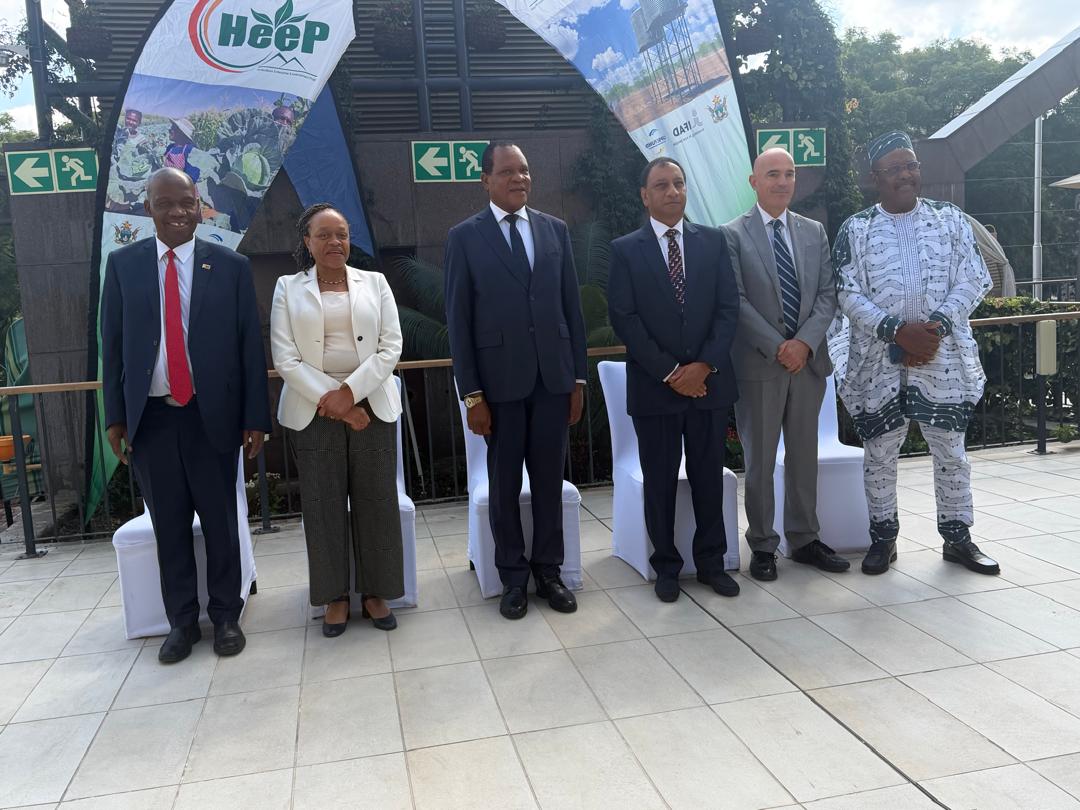
Senior Government officials, development agencies and international partners convened in Harare on Wednesday for a workshop where a country strategy and programme evaluation report on IFAD-supported initiatives was presented.
The programmes, implemented in partnership with Government, are aimed at improving rural livelihoods, strengthening food systems and enhancing agricultural productivity among smallholder farmers.
Agriculture, Mechanisation and Water Development Minister, Dr Anxious Masuka attended the workshop and said IFAD remains one of Zimbabwe’s key development partners in advancing rural transformation and agricultural commercialisation.
“It is important to understand that IFAD is one of the biggest international development partners for Zimbabwe and has done great work to the tune of US$160 million towards initiating rural transformation programmes,” he said.
“As the Second Republic, under Vision 2030, agriculture remains the backbone of the economy. We are shifting towards making agriculture a business for rural communities. To achieve that, we are prepared to continue working with IFAD to realise this philosophy of industrialising and transforming rural communities towards upper middle-income society status by 2030.”
IFAD Eastern and Southern Africa Director, Mrs Sara Mbago-Bhunu said the organisation is committed to mobilising additional technical and financial resources to support Zimbabwe’s rural industrialisation drive.
“We have an existing programme which managed to achieve tangible results in rural communities, but we heard from the minister about some models like the Village Business Units. We need to chip in and provide the necessary technical and financial support,” she said.
“Nowadays, there are innovations that rural communities should be exposed to, so we will be working together to see how best to mobilise more support for continued progress in rural areas.”
Indran Naidoo said the evaluation report would be presented to key stakeholders during a meeting scheduled for August in Rome.
“We heard that over 62 percent of the population depends on agriculture, so we present this report to the crucial stakeholders meeting to be held in August in Rome, so that our recommendations to assist Zimbabwe are taken on board,” he said.
Over the years, International Fund for Agricultural Development has financed and revitalised several smallholder irrigation schemes across Zimbabwe, benefiting more than 35 000 farmers and contributing to improved food security and rural incomes.

