



Online Reporter
ZIMBABWE’S cultural and creative industries are being positioned as key drivers of inclusive economic growth, employment creation and entrepreneurship as Government officially launches the 2026 National Culture Month commemorations.
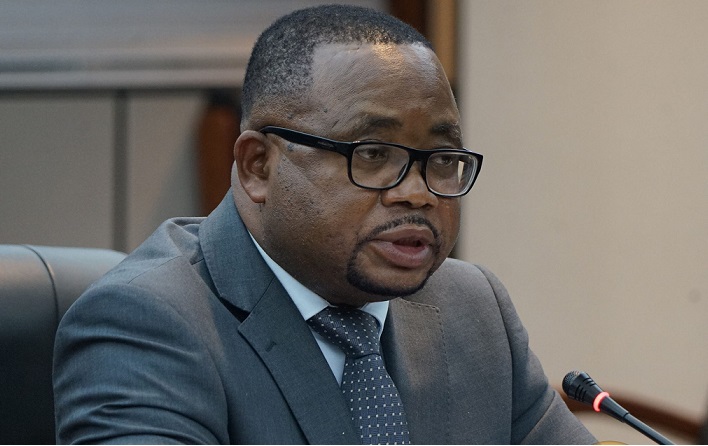
Announcing the programme, Acting Minister of Sport, Recreation, Arts and Culture Professor Paul Mavima said this year’s celebrations will focus on unlocking the economic potential of culture while promoting national identity, social cohesion and heritage preservation.
The commemorations, running throughout May, are being held under the theme, “Creativity and Diversity: Advancing Vision 2030 through Cultural Expressions.”
Professor Mavima said Culture Month has evolved beyond a ceremonial observance into a strategic national development platform aligned with the National Development Strategy 2 (NDS2).
“Culture Month contributes to Inclusive Economic Growth by positioning the cultural and creative industries as viable sectors for employment creation, entrepreneurship, and wealth generation,” he said.
“By creating platforms for artists and cultural practitioners to showcase and commercialise their work, we are strengthening value chains and enhancing the contribution of culture to the national economy.”
The main national celebrations will be held at Barbourfields Stadium in Bulawayo on May 21 and will be presided over by President Dr Emmerson Mnangagwa.
Professor Mavima said the celebrations are anchored on the World Day of Cultural Diversity for Dialogue and Development, commemorated annually on May 21 following its proclamation by UNESCO in 2001.
He said culture remains central to Zimbabwe’s development agenda through skills development, innovation and youth empowerment in the arts and creative sectors.
“In line with the Human Capital Development pillar, the programme promotes skills development, talent identification and innovation within the arts and creative sectors, particularly among the youth,” he said.
Professor Mavima added that Government is also using the celebrations to strengthen national unity and preserve indigenous knowledge systems.
“Through the celebration of diverse cultural expressions, we are reinforcing shared values, promoting mutual respect and strengthening the social fabric of our nation,” he said.
The acting Minister said Culture Month also plays an important role in enhancing Zimbabwe’s international standing and tourism appeal.
“Through these celebrations, we are showcasing our cultural richness to the international community, strengthening cultural diplomacy, and positioning Zimbabwe as a destination for heritage and creative tourism,” he said.
Culture Month activities will be held across all 10 provinces and will include exhibitions, traditional ceremonies, performances, workshops and interactive community programmes led by provincial authorities.
Professor Mavima called on Zimbabweans to actively participate in the commemorations and preserve the country’s cultural heritage for future generations.
“Let us take pride in our identity, celebrate our diversity, and pass on our cultural values to future generations. Our heritage must not only be preserved but must also be lived, shared and continuously reimagined,” he said.

