



Story by Patience Nyagato
GOVERNMENT has intensified its call for Zimbabweans to actively participate in Culture Month commemorations, saying the country’s cultural heritage is a key pillar in strengthening national identity, social cohesion and driving economic development under Vision 2030.
As Culture Month unfolds, authorities are placing greater emphasis on culture and heritage as strategic tools for national development, positioning the creative and arts sector as a growing contributor to economic transformation, job creation and tourism growth.
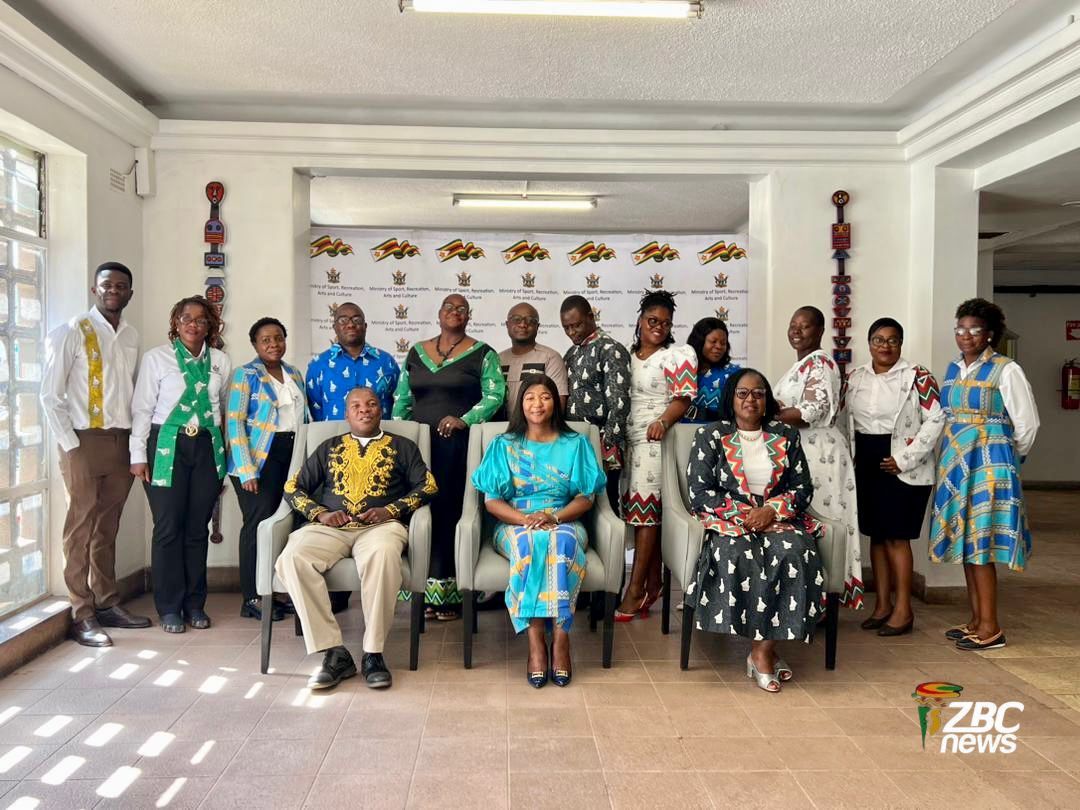
Zimbabweans are being encouraged to embrace their identity through language, traditional values and national attire, including the wearing of the national fabric, as part of efforts to enhance cultural visibility both locally and internationally.
“We are encouraging Zimbabweans from all walks of life to participate in Culture Month celebrations and proudly wear the national fabric and cultural attire as a way of preserving and promoting our identity. Culture is not only about heritage and identity, but also about economic empowerment. The creative and cultural industries continue to contribute towards employment creation, tourism growth and community development,” Deputy Minister of Sport, Recreation, Arts and Culture, Honourable Emily Jesaya said.
With celebrations expected across the country throughout the month of May, the national commemorations are expected to take place at Barbourfields Stadium in Bulawayo on May 21 this year, where the President, Dr Emmerson Mnangagwa, is set to be the guest of honour.
Speaking during a media briefing, Honourable Jesaya said this year’s celebrations will run under Government’s devolution and inclusion agenda, with provinces expected to showcase their unique cultural heritage and creative talent.
The commemorations are also being held in line with the World Day for Cultural Diversity for Dialogue and Development, observed annually on May 21 as proclaimed by the United Nations Educational, Scientific and Cultural Organisation (UNESCO).

