



.
Article by Princess Kelelo Dhlamini Skade
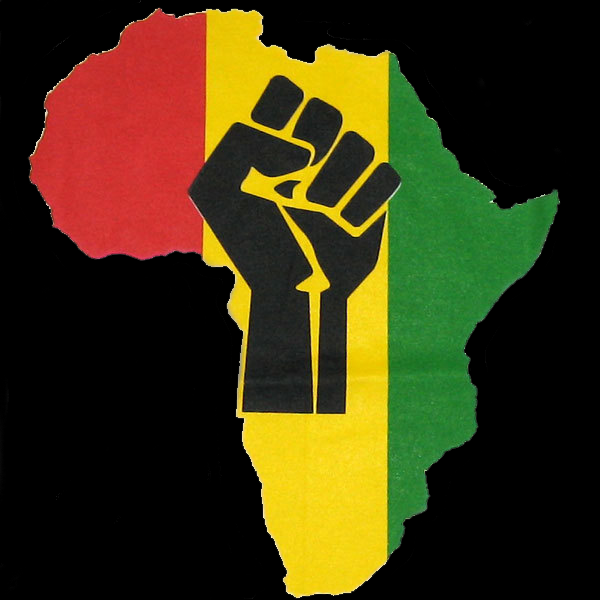
In recent years, the term “Pan-African” has been widely used to describe movements, organizations, and ideologies that aim to promote unity and solidarity among people of African descent. However, there are some disadvantages to continuing the use of this term, especially when it comes to engaging with the youth.
The word “Pan-African” can often be seen as outdated and irrelevant by the younger generation. It gives off an impression of being associated with the past, with old traditions and historical struggles that do not resonate with today’s youth. As a result, many young people may feel disconnected from the term and the ideas it represents.
In today’s vicious world, it is essential for Africa to adapt to suit the 21st century in order to attract more youth and modernised communities. Failure to do so poses significant risks, including the loss of the youth population, dominance of outdated ideologies, and a potential setback in economic development.
The risk of not adapting to suit youth for the future or of any society, and failing to adapt to meet their needs and interests can result in their disengagement and eventual loss to other regions or countries. This will also even mean us loosing the youth to drugs, crime, unwanted behaviors resulting in a chaotic continent.
By addressing the negative impact of the term “Pan-African” and opening up space for more diverse voices, we can begin to create a more inclusive and forward-thinking African community that reflects the values and perspectives of all its members.
If Africa does not modernise and appeal to the younger generation, it risks being left behind in terms of innovation, progress, and economic growth.
Additionally, sticking to outdated ideologies and practices can lead to a domination of the pan-African ideology by older generations who may not have the energy or vision to rebuild and revitalise the economy. This can hinder progress and development, setting Africa back in its efforts to compete on a global scale.
We need to embrace the importance of advancing thinking to correct the errors created by generational gaps and different way of understanding how to maintain our African identity. It very crucial for Africa to advance its way of embracing youth mindsets and doing things in order to stay relevant and competitive in the 21st century. This includes embracing new technologies, adopting progressive policies, and fostering a culture of innovation and entrepreneurship.
Controlling people’s way of living and restricting their freedoms will only breed resentment and rebellion. It is important to promote unity, inclusivity, and diversity in order to create a vibrant and dynamic society that can thrive in the modern world.
Embracing Diversity is also very crucial to advance the ideology of a united Africa.
The 21st century is characterised by unprecedented diversity and interconnectedness. Africa must embrace this diversity in order to attract and retain modernised communities from all walks of life. This means celebrating different cultures, traditions, languages, and viewpoints, and creating an environment where everyone feels welcome and valued.
By embracing diversity, Africa can tap into a wide range of talents, skills, and perspectives that can drive innovation, creativity, and growth. This will not only attract more youth and modernised communities to the continent, but also position Africa as a dynamic and forward-thinking region that is open to change and progress.
Adapting Africa to suit the 21st century is essential for attracting more youth and modernised communities. Failure to do so poses significant risks, including the loss of the youth population, dominance of outdated ideologies, and a potential setback in economic development.
Another disadvantage of continuing the use of the word “Pan-African” is that it can sometimes be exclusive and not as welcoming to the diverse voices within the African diaspora. The term may carry with it a sense of homogeneity that does not accurately reflect the varied experiences and identities of people of African descent around the world.
It is important for Africa to advance its thinking, embrace diversity, and promote unity in order to thrive in the modern world. By doing so, Africa can position itself as a vibrant, dynamic, and inclusive region that is poised for success in the 21st century and beyond.
Furthermore, the continued use of the term “Pan-African” may be seen as a resistance to change and innovation within the African community. By holding on to this traditional term, there may be a reluctance to embrace new ideas and approaches that could better address the challenges faced by African people today.
It is important to recognise the disconnect that many young people feel with the term “Pan-African” and to create space for their voices and perspectives to be heard. By moving away from this potentially alienating term, we can open up dialogue and engage with youth in a more inclusive and meaningful way. Instead of clinging to old terminology, it is essential for the African community to embrace evolution and adapt to the changing times. This means being open to new ways of thinking and being willing to let go of concepts and labels that no longer serve a positive purpose. while the term “Pan-African” has historical significance and has played a vital role in promoting unity among people of African descent, it is essential to acknowledge its limitations.
By recognising the negative impact it can have on youth engagement and inclusivity, we can begin to move towards a more progressive and inclusive future for the African community.
Let’s move towards a future that is more inclusive, innovative, and responsive to the needs of all people of African descent.

