



Story by Lisa Masuku-Kurira
ZIMBABWE’S rangelands, the backbone of national livestock production and rural livelihoods, have come under renewed focus as the country joins the global observance of the 2026 International Year of Rangelands and Pastoralists, declared by the United Nations.
The initiative underscores the urgent need for sustainable rangeland management amid increasing climate variability, drought pressures and the growing importance of livestock farming to food security and rural incomes.
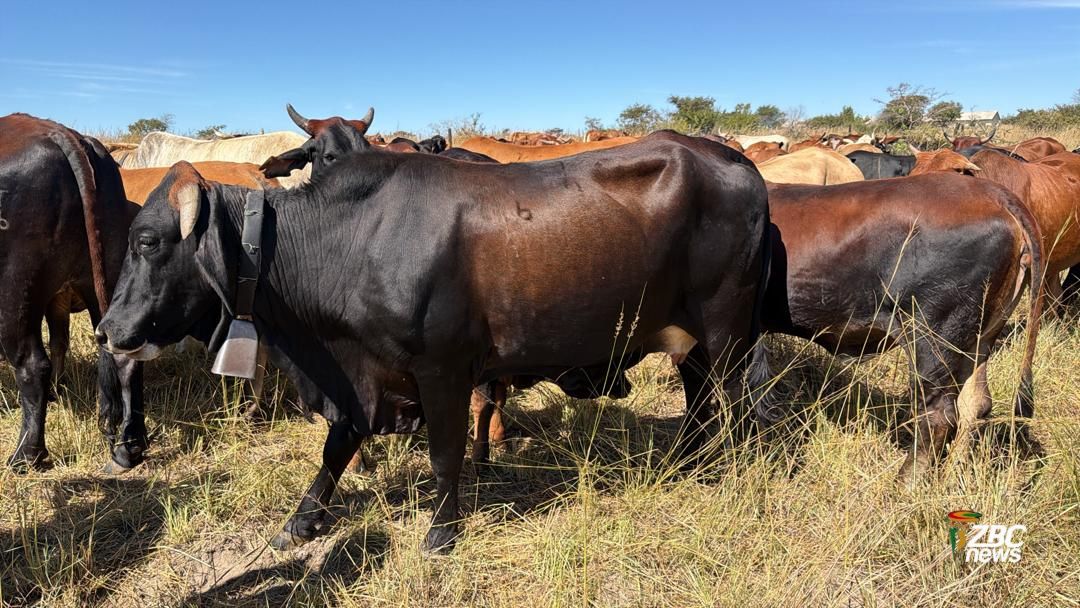
In Insiza District, one of Matabeleland’s key grazing regions, expansive dry landscapes continue to sustain pastoral communities who depend on controlled grazing systems to maintain herds and preserve fragile ecosystems.
For generations, pastoralists have relied on these natural systems, adapting traditional knowledge to ensure survival in increasingly harsh environmental conditions.
“I have been practising cattle farming for over 50 years, and I have been feeding my cattle in the rangeland,” a pastoralist said.
Another farmer highlighted the importance of sustainable grazing practices in protecting livestock during drought periods.
“Through controlled grazing, this rangeland has remained intact even during drought periods. It is managed in a manner that ensures our cattle do not die of drought,” another pastoralist said.
The sector is also playing a growing role in youth empowerment, with livestock farming providing income opportunities and reducing vulnerability among young people in rural areas.
“I am proud of the fact that I have managed to grow my herd. I started doing this eight years ago,” a young farmer said.
“As a young person, I now have a source of income, and this helps to keep me off the streets,” Bongani Dumani said.
Government and development partners say they are scaling up interventions aimed at improving rangeland productivity through knowledge transfer, research and improved grazing systems.
“We are teaching our farmers how to grow good grass. We came with various experts from different universities who are involved in community outreach programmes where they go around teaching communal farmers about the importance of rangelands,” Deputy Minister of Agriculture, Mechanisation and Water Resources Development, Honourable Davis Marapira said.
“We are blending both old and new technology to preserve our rangelands. Cow dung is part of the manure that helps regenerate this grazing land,” Chairperson of E-Livestock, Mr Max Makuvise said.
Authorities say controlled grazing methods, including livestock bunching, are also being promoted as part of wider efforts to restore and preserve rangeland ecosystems for long-term sustainability.

