



Story by Fungai Jachi
MWENEZI District has expressed support for the proposed Constitutional Amendment (No. 3) Bill of 2026, saying the reforms will modernise governance systems and align Zimbabwe with contemporary constitutional practices across Africa.
Residents say the proposed changes address key issues such as strengthening parliamentary oversight, promoting political inclusivity, and improving institutional efficiency.
As the Parliament of Zimbabwe prepares to begin nationwide public consultations on the proposed Constitutional Amendment No. 3 Bill on March 30, people in Mwenezi believe the reforms represent an important step toward refining governance structures to better reflect the demands of modern democracies.
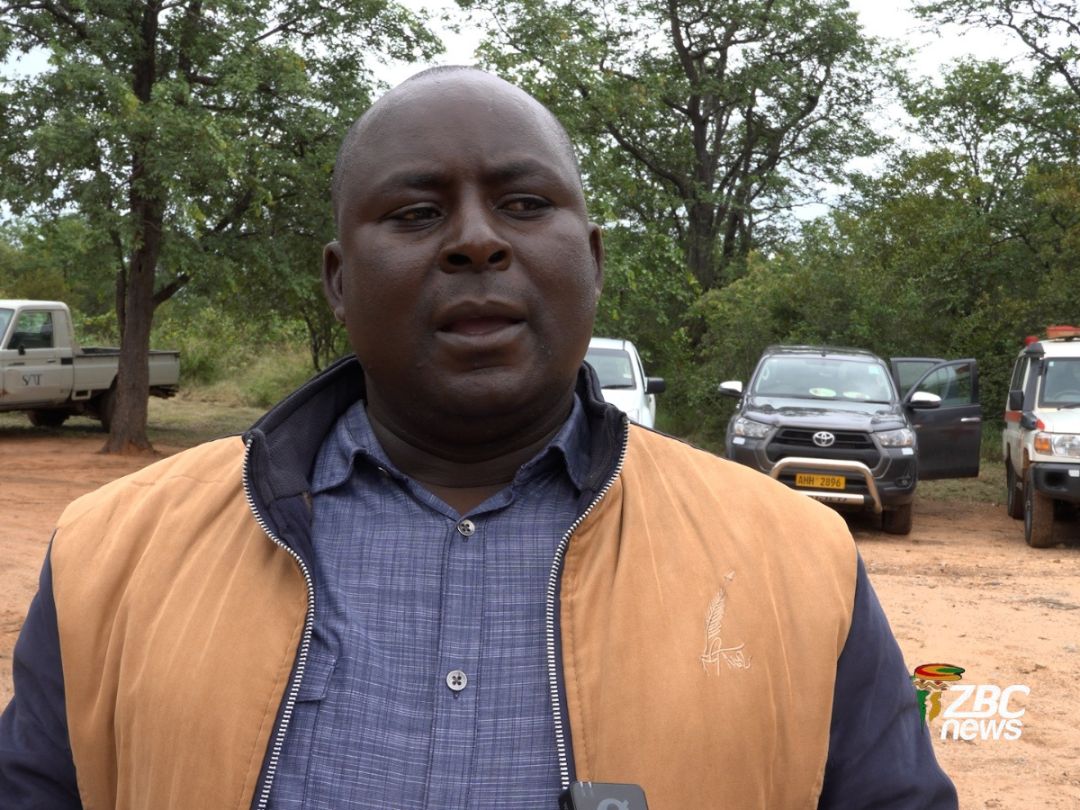
“This bill is a good step because it allows whoever is elected into power to have ample time to start and finish projects which uplift communities,” ZANU PF Chairperson for Mwenezi District Coordinating Committee, Cde Gift Mazhambe said.
“We cannot always be in the election mode. ” It wastes a lot of money, so if we wait for seven years without having elections, we save money for other things,” ZNU PF Provincial Secretary for Gender, Masvingo Youth League, Cde Sikhulekile Moyo said.
Beyond the leadership, the citizenry is also fully convinced of the need to amend the constitution.
“We fully support these changes because we will maintain peace. Remember, elections bring their own disruptions, especially during the times of campaigns, a lot happens. So if we wait for seven years, it means we will not have disruptions fueled by elections,” a resident said.
“I think it is a good thing to have MPs vote for the President because it saves time and resources as well,” a community member added.
The proposed amendments include the extension of the Presidential electoral cycle to seven years and adopting a new parliamentary method of electing the President.
The bill will be taken to the people for public hearings, which are scheduled to run from March 30 to April 2 across the country.
It will then be tabled for debate in the National Assembly and Senate before being enacted into law.

