



Story by Tichaona Kurewa
COAL producers have praised government efforts to stabilise the Zimbabwe Gold (ZiG) currency and its ongoing engagement and re-engagement drive, measures which they say are key in significantly revitalising the sector.
The government has implemented various measures to enhance the ease of doing business, including the introduction of the ZiG currency and a concerted effort to engage and re-engage with the global community.
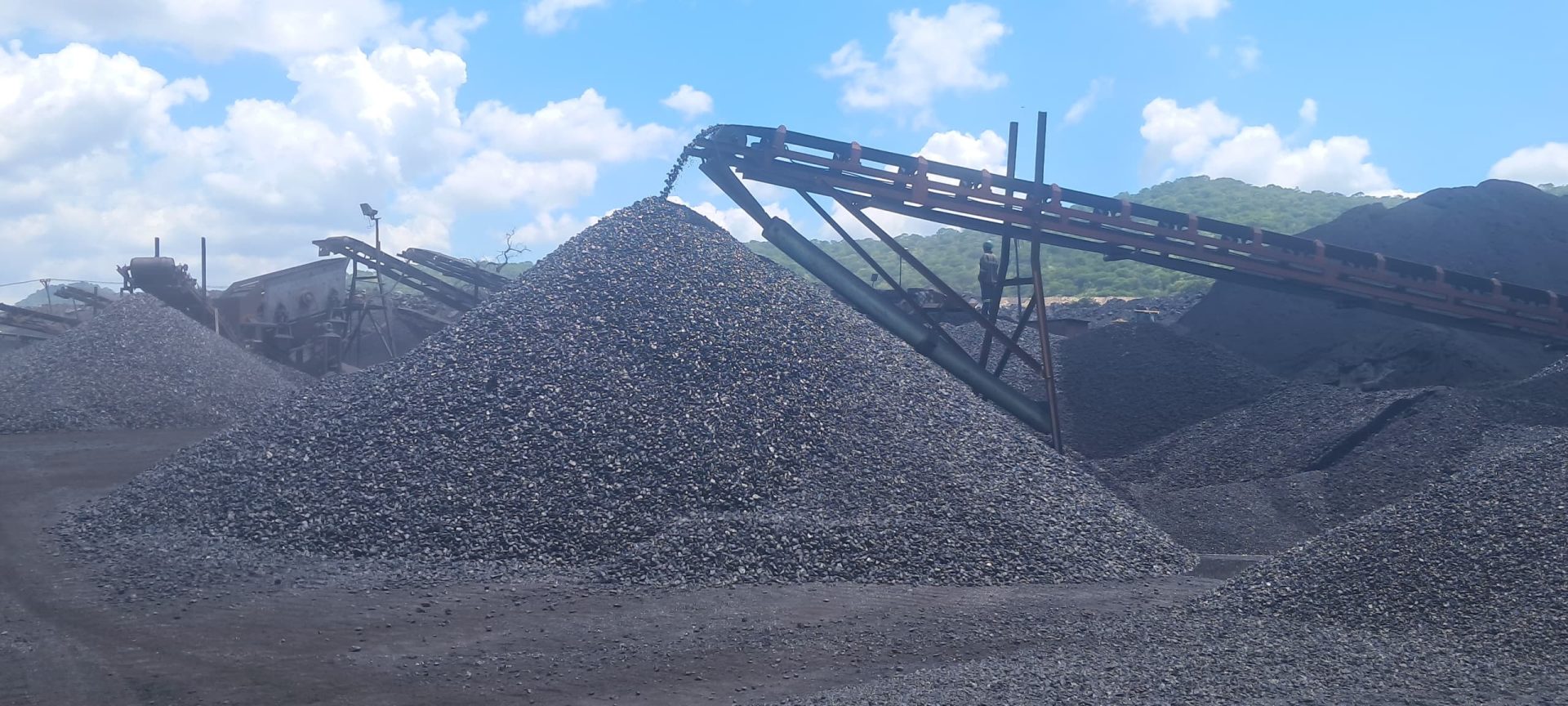
A visit to Zambezi Gas Mine by the ZBC News crew revealed increased activity attributed directly to timely government interventions.
“The Second Republic has helped us by opening doors, allowing us to enter into markets for equipment. We can now get cheaper and efficient equipment from China and that has enabled us to start finding our feet again. With the Second Republic’s re-engagement drive, we can now talk to our traditional suppliers like BaloWorld and get assistance,” Zambezi Gas’ executive Mr Mathew Rararadza said.
“Our friends from the East are always receptive when we want facilities with regards to machines, imports and everything, all thanks to the re-engagement drive. It has also opened for Western countries as their companies are starting to come back now and want to do business with us, especially after the lifting of the sanctions on some companies the lifting of the sanctions on some companies,” Coal Producers Association’s Chairperson, Mr Lainos Masimura said.
The stability of the ZiG currency has also been highlighted as a critical factor in the sector’s resurgence.
“Our hope and wish is that the currency continues to grow strength so that we can be able to transact locally in our currency and then work with foreign currency when we are exporting. For us to run on a foreign currency when we are doing local transactions, it always comes with the costs that are also denominated in foreign currency and it becomes difficult to operate,” Mr Masimura stated.
Zimbabwe’s coal production has shown consistent growth. As of December 2023, the country recorded more than 4.9 million tonnes, up from just over 3.9 million tonnes in December 2022.
This growth is largely driven by government’s initiative to increase national power generation capacity from 2 300 megawatts to 6 000 megawatts by 2025.
Zimbabwe possesses vast coal reserves, estimated at 30 billion tonnes across 21 known deposits, potentially lasting over 100 years at 2001 production rates.
The country’s coal production is primarily concentrated in the western and southern regions, where over ten coal mines are operational.

