



Story by Tamuka Charakupa
THE Zimbabwe National Family Planning Council (ZNFPC) has begun nationwide engagements to refine its newly launched Contraceptive Cost Recovery Framework, as the country shifts towards strengthening domestic financing for reproductive health in the face of declining donor support.
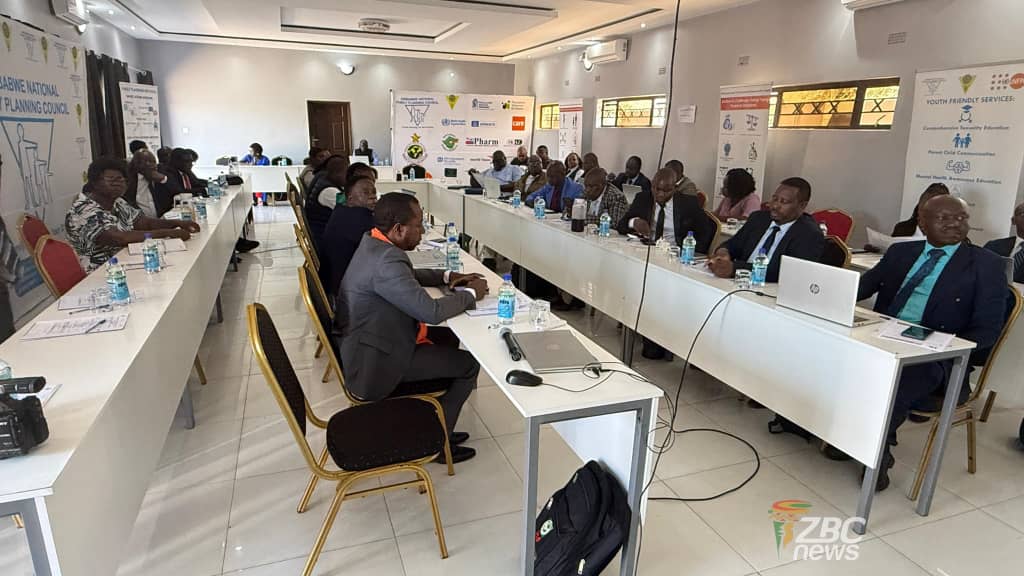
The dissemination meetings, which bring together government officials, development partners and health-sector stakeholders, aim to ensure that the framework is fully understood, practical to implement and aligned with national reproductive health priorities.
ZNFPC Chief Executive Officer, Mr Farai Machinga, said the consultations are essential for shaping a sustainable national funding model.
“We have already launched the framework, but now we are taking it to stakeholders so they fully understand its contents. We want feedback, clarification and any suggestions for enhancements to ensure that the framework is practical, fair and fully aligned with the country’s reproductive health priorities. The framework has come at a time when international and donor funding is being cut,” he said.
The framework outlines how Zimbabwe can sustainably finance contraceptive procurement, distribution and service delivery, while ensuring affordability, equity and access, particularly for vulnerable populations.
“International support for family planning is declining worldwide. Zimbabwe’s decision to strengthen domestic financing through this framework is a major step toward sustainability. What is important is that as the country transitions, no one is left behind,” Programme Specialist Reproductive Health for UNFPA, Dr Edwin Mpeta said.
Director of Family Health in the Ministry of Health and Child Care, Dr Dorcus Mutede, said the overall performance of the contraceptive sector remains encouraging.
“We are seeing strong progress. More than 2.3 million women are using modern contraceptives, and satisfaction is above 86 %. This shows that access to family planning services continues to improve, and the new framework will help us maintain that progress in the long term,” Dr Mutede said.
During the dissemination meeting in Chinhoyi this Thursday, officials also presented the national contraceptive stock status as of September 30 2025, with statistics showing that most commodities fall within or above the recommended eight to thirteen months of stock levels.

