



Story by Abigirl Tembo, Health Editor
ZIMBABWEAN media practitioners have been urged to take a frontline role in advancing adolescent sexual and reproductive health (SRH) rights as part of a regional campaign to strengthen youth access to health services.
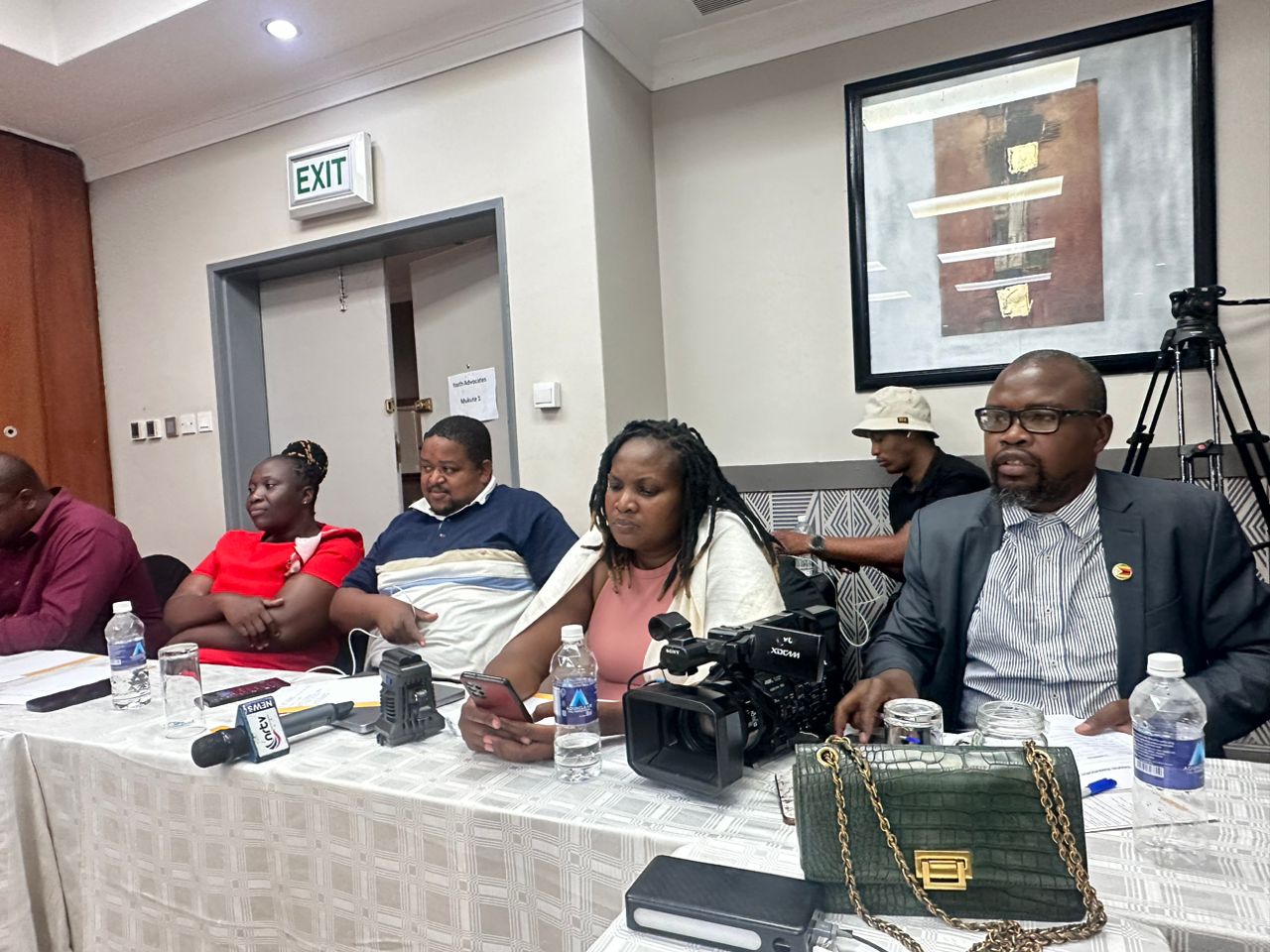
Speaking on the sidelines of a media sensitisation meeting under the Step Up 4 Adolescents initiative, the Executive Director of Youth Advocates, Mr Tatenda Songore, emphasised why adolescents must remain the focus of such interventions.
“We are focused on adolescents because within East and Southern Africa, adolescents experience high HIV incidences, and we are also experiencing high child marriages, teenage pregnancies, and the triple threat has been affecting especially those in extreme poverty or families that are in poverty, because when a pregnancy happens, young people are trapped in a cycle of poverty.
“They will miss an opportunity to further their education and an opportunity to also work for themselves. So we are seeing that when we offer access to reproductive health services, we are empowering young people with the tools to fight poverty, with the tools to pursue their education, with the tools to be able to shape their lives and careers,” he said.
The effort seeks to address persistent barriers faced by adolescents in accessing comprehensive SRH information and care.
Adolescents across East and Southern Africa continue to grapple with high rates of teenage pregnancies, early marriages, HIV infections, and a lack of youth-friendly services, challenges that not only affect their health but also compromise their education and long-term opportunities.
Speaking on the sidelines of the meeting, Executive Director of Youth Advocates, Mr Tatenda Songore, emphasised why adolescents must remain the focus of such interventions.
“We are focused on adolescents because within East and Southern Africa, adolescents experience high HIV incidences, high child marriages, and teenage pregnancies. The triple threat especially affects those from poor families. When a pregnancy happens, young people are trapped in a cycle of poverty, they miss an opportunity to further their education and to work for themselves. By offering access to reproductive health services, we are empowering young people with the tools to fight poverty, pursue education, and shape their careers,” he said.
Organisers of the meeting stressed that the media is not only a messenger but also a driver of accountability and public awareness.
By adopting accurate, rights-based language in their reporting, journalists can help challenge harmful social norms, highlight policy gaps, and amplify young people’s voices.
The sensitisation meeting is expected to result in stronger collaboration between media houses, youth-led organisations, and SRH coalitions, alongside the development of a Zimbabwe-focused media advocacy plan linked to regional priorities.

