



Story by Fairstars Mukungurutse
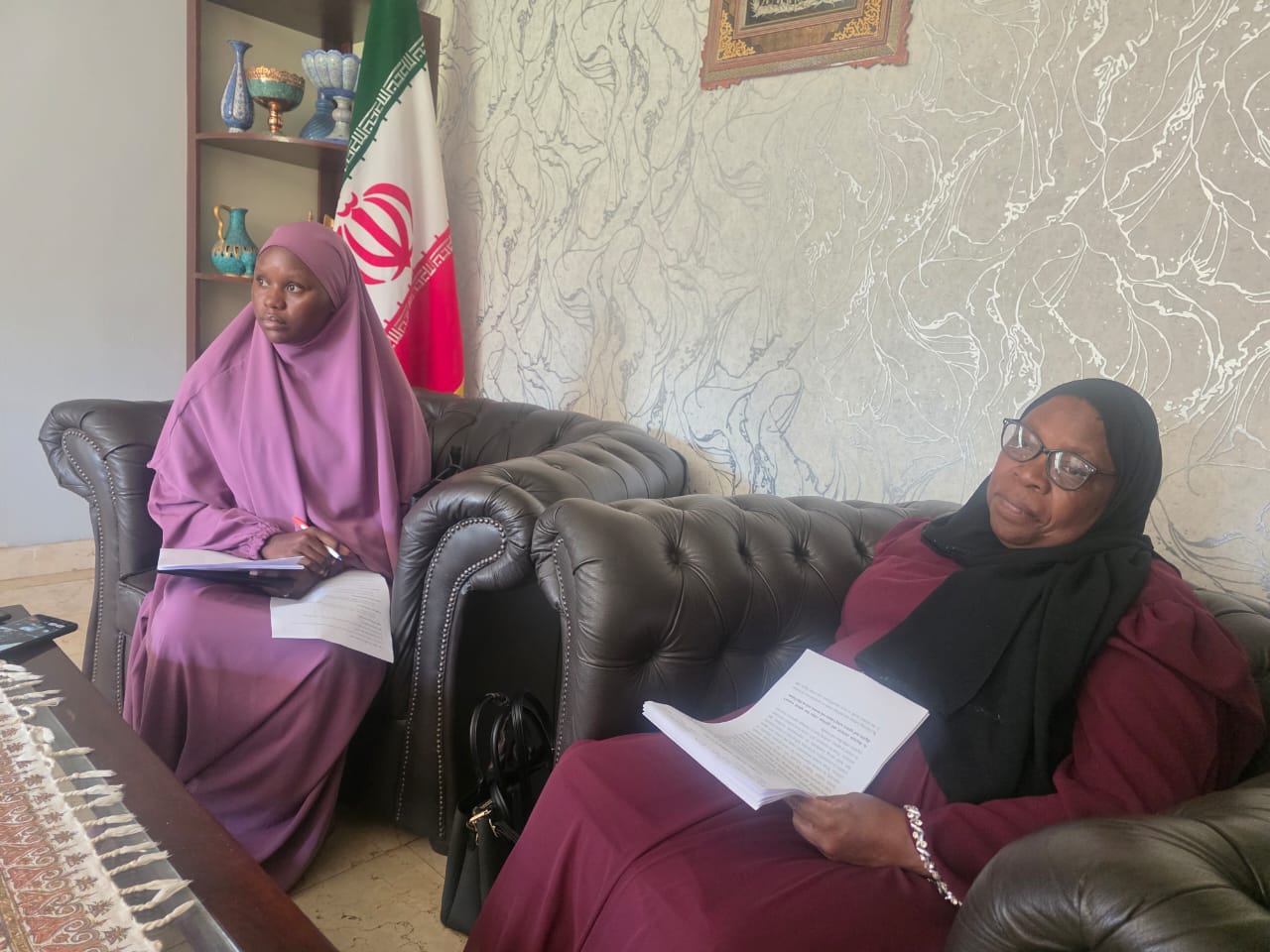
ZIMBABWEAN and Iranian women convened in Harare on Thursday for a dialogue on socio-economic empowerment, leadership and the challenges affecting women’s safety and independence.
The engagement brought together women from different backgrounds to exchange experiences and explore practical solutions aimed at advancing women’s participation in society.
Assistant Professor at the University of Tehran, Dr Hakimeh Biria, said women remain central to social progress and justice.
“Women have and can be the focal point of moral life. They can be the focal point of a struggle for social justice. They can be the focal point for healthy families. They can be basically forces of advancement in society,” she said.
“There are hundreds, if not thousands, of women intellectuals, women doctors, women scientists and women writers. If we go beyond the idea that women should be tools for profit and pleasure, which is what is the case in the Western capitalist system, then I think we can talk about global solidarity of sisters; global sisterhood.”
Stakeholders at the meeting stressed the need to create more opportunities for women to contribute meaningfully in leadership, business and community development.
Representative of the Zimbabwe Council of Churches Reverend Tariro Zhou said women have always played a vital role in society.
“We know that for years, women have always been strong and instrumental leaders in their homes and communities. Women have been creative, resilient and active contributors to society, not passive participants. If given enough opportunities and support, women can become even more productive in their various capacities,” she said.
Founder of the Fatima Zahr Women’s Organisation Dr Hajr Makwinja said dialogue platforms are critical in empowering women and amplifying their voices.
“Spaces for dialogue, mentorship and support are essential in building solidarity against existing systems that reduce women to objects and silence their voices. These spaces provide an environment where women can openly share their life experiences, challenges and aspirations without fear of judgment and discrimination,” she said.
Cultural Counsellor at the Embassy of the Islamic Republic of Iran, Dr Ahmad Ali Ghane, said cooperation between women from the two countries continues to grow across several sectors.
“Collaboration between Iranian and Zimbabwean women comes in many forms; it can be in cultural issues, political issues or social issues. For instance, women of Zimbabwe are getting enrolled in Iranian universities, and they can also take part in Iranian health tourism and many other sectors,” he said.
Zimbabwe and Iran have maintained diplomatic relations since 1983, with cooperation spanning agriculture, mining, energy, education and healthcare.

