



Story by Oleen Ndori, Foreign Editor
ZIMBABWE is poised to significantly expand its export volumes to China following Beijing’s decision to grant zero-tariff access to all products from 53 African countries with diplomatic ties, effective May 1, 2026.
The landmark policy is expected to unlock fresh opportunities for Zimbabwe’s agriculture, mining and manufacturing sectors, while boosting foreign currency earnings, job creation and industrial growth.
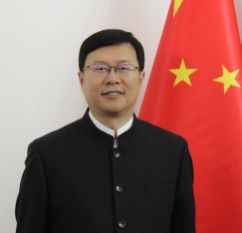
Chinese Ambassador to Zimbabwe, His Excellency Zhou Ding exclusively told ZBC that the comprehensive tariff waiver would remove all customs duties on Zimbabwean exports entering the Chinese market.
“Effective May 1, 2026, China’s comprehensive zero-tariff policy will fully eliminate tariff barriers for Zimbabwean products entering the Chinese market,” he said.
“This will unlock tangible, sector-specific advantages for Zimbabwe’s key export industries.”
In agriculture, the policy is expected to improve the competitiveness of Zimbabwean produce by significantly lowering export costs.
Traditional exports such as tobacco stand to benefit, while a wide range of high-value products, including citrus, avocados, macadamia nuts, blueberries, flowers, processed foods, essential oils, leather goods and cotton textiles will now enjoy full duty-free access to one of the world’s largest consumer markets.
“China’s avocado imports have been growing at an average annual rate of more than 20 percent. Combined with Zimbabwe’s favourable growing conditions, zero-tariff access creates an unprecedented opportunity for Zimbabwe to penetrate China’s premium fresh produce market,” Ambassador Zhou said.
He said the policy would help Zimbabwe diversify its export basket, reduce dependence on a limited range of commodities and establish new, sustainable sources of foreign currency.
The mining sector is also expected to benefit substantially.
By eliminating tariffs, Zimbabwe’s minerals and processed mineral products will become more competitively priced in the Chinese market, improving returns for exporters.
“Zero tariffs will lower the landed cost of Zimbabwe’s mineral and processed mineral products in China, boosting profit margins and global competitiveness,” said Ambassador Zhou.
He added that the policy would encourage greater local beneficiation and value addition before export.
“This will attract increased domestic and international investment, facilitate technology transfer, enhance skills development, create formal employment and transform Zimbabwe’s natural resource endowment into sustainable and inclusive economic growth,” he said.
Across all sectors, the zero-tariff arrangement is expected to strengthen bilateral trade, deepen economic cooperation and support Zimbabwe’s industrialisation agenda.
The move places Zimbabwe in a stronger position to leverage access to the vast Chinese market as it pursues export-led growth and economic modernisation.

