



Article by Princess Kelelo PM Dhlamini
As my thoughts ran wild back into the golden ages of “when we were young”, I remembered a few rules that we grew up with, for example, no soda but juice, no sweets but fruit. When sent to the groceries you would be told to bring brown bread and brown sugar. The amount of sugar in one’s cup of tea was then limited to 2 teaspoons. This just but to mention a few.
In Africa, it was not necessary to be convinced that genetically modified foods were bad, it was only necessary to know that we need to produce our own. In fact, we used to know that it was necessary to have a garden and make seeds from the few produce we had at that time. But times have changed, we now seem to have advanced albeit to our disadvantage and more importantly, we seem to have grown a serious nature of ignorance regarding the fine detail that reflects risk in every way.
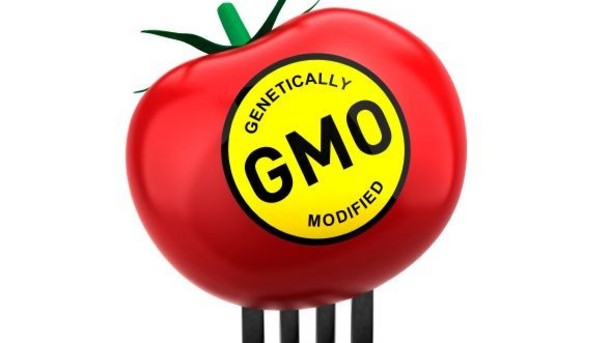
In Africa, the discourse surrounding genetically modified foods has been deeply entrenched in skepticism and opposition, with prevailing sentiments often leaning towards caution rather than acceptance. The notion that the continent needs to prioritise producing its own food has been a driving force behind this sentiment, spurred by a desire for food sovereignty and self-reliance. This article, inspired by Rutendo Matinyararire, Insccor and the whole GMO saga delves into the complexities of the GMO debate in Africa, exploring the shift towards localised food production, the challenges and concerns surrounding genetic modification and the initiatives aimed at promoting sustainable agriculture practices. By examining the intersection of agricultural technology, food security and community empowerment, we can gain insights into the evolving landscape of African agriculture and the quest for self-sufficiency in the face of global food systems.
In Africa, the skepticism towards genetically modified organisms (GMOs) has deep roots. Colonisation and exploitation have left a legacy of distrust, making the introduction of GMOs a contentious issue. Many Africans see GMOs as a continuation of external control over their food systems.
The negative perceptions towards GMOs in Africa are influenced by a variety of factors. These include concerns about the long-term environmental impact, potential health risks like cancer, and the fear of losing traditional agricultural practices. Additionally, economic interests and the dominance of multinational corporations in the GMO industry further fuel skepticism.
Food security is a pressing issue in Africa, with a rapidly growing population and the impacts of climate change threatening agricultural productivity. Continuous drought patterns have also contributed to drastic decisions by humans to try to sustain food production, However we also do not rule out the possibility of greed by those who have access to manipulate power to their advantage by making products which they know that they cannot be naturally accessible. As a result, there is a growing recognition of the importance of producing food locally to ensure a stable and sustainable food supply for the continent.
Localised agriculture systems offer numerous benefits, including increased food sovereignty, reduced dependence on imports and the preservation of traditional farming methods. By prioritising local food production, African countries can improve food access, support rural economies and enhance resilience against external shocks.
There are vast challenges, concerns and consequences surrounding Genetically Modified Foods. With cancer cases being on the rise and a valuable yet ignored concern being raised that GMO are the number one potentially cause of the diseases, it is quite important to continue educating Africans about the importance of restoration of natural food production.
One of the key concerns surrounding GMOs is their potential environmental impact. Critics argue that GMO crops can lead to biodiversity loss, contamination of native species, and the development of superweeds resistant to herbicides. This raises questions about the long-term sustainability of GM agriculture.
Health and safety considerations regarding GMOs remain a contentious issue. While proponents argue that GMOs are safe for consumption, some studies suggest potential risks such as allergenicity and the transfer of antibiotic resistance genes. The debate continues as scientists and policymakers navigate the complexities of GMO food safety.
Promoting food sovereignty in African countries is the only way we can rescue ourselves from this dangerous situation. Defining food sovereignty and its significance is supposed to be knowledge impacted through school curriculums and social community programs. Food sovereignty is the right of people to define their food and agriculture systems in ways that are culturally, socially, and ecologically appropriate. In Africa, promoting food sovereignty is crucial for empowering communities, protecting local food traditions, and ensuring access to healthy and sustainable food sources.
Across Africa, there are inspiring examples of community-led initiatives that promote food sovereignty. From seed saving networks to agroecology projects, these grassroots efforts empower farmers to reclaim control over their food production. By fostering collaboration and knowledge sharing, these initiatives pave the way for a more resilient and equitable food system. Initiatives and policies supporting local food production should become a sense of urgency, priority and a necessity for this continent
So far, we appreciate that indigenous agriculture in Africa is gaining recognition and support through a range of governmental and non-governmental programmes. By prioritising local farming practices, communities are empowered to produce their own food sustainably, fostering self-reliance and economic growth, therefore taking back power from the weapon of the GMO laboratory.
Various initiatives aim to strengthen indigenous agriculture, providing resources and expertise to farmers. Government funding and NGO partnerships play a crucial role in promoting traditional farming methods and preserving biodiversity in the region.
Promoting agroecological practices not only enhances soil fertility and crop resilience but also aligns with the cultural values of many African communities. Incentivising and scaling up these practices can lead to more sustainable food production systems that benefit both people and the environment.
Educational campaigns on biotechnology in agriculture are necessary for people to learn when it’s important to draw the line. Educating the public on the science behind GMOs and their role in enhancing food security is crucial. Robust educational campaigns can empower farmers and consumers to make informed choices while fostering a climate of acceptance and innovation within the agricultural sector. Technological advancements are revolutionising agriculture in Africa, offering sustainable solutions to enhance food security and agricultural productivity without compromising health should also be of equal efforts. From agrotech innovations to digital tools, technology is reshaping the landscape of farming practices on the continent, meaning that also we need to make serious effort to impact knowledge and preserve our own traditional farming methods.
AgTech innovations such as precision agriculture, drone technology, and biotechnology are transforming the way crops are grown and harvested in Africa. These advancements should also motivate Africans to advance and create or equate methods that we can use without compromising to those that are creating the technology for our continent.
Digital solutions, including mobile apps for market access, weather forecasting services, and online training platforms, are supposed to be effectively used to empower farming communities across Africa. By leveraging technology, smallholder farmers can overcome barriers to productivity and connectivity, driving sustainable agricultural practices forward. We also need to be considering that sustainable agriculture in Africa thrives through collaborative partnerships that aim to bolster regional food security and economic development. By joining forces and implementing innovative solutions, stakeholders can address pressing challenges and create a resilient agricultural landscape for the future.
Engagement in regional partnerships fosters knowledge-sharing, resource pooling, and policy coordination to promote sustainable agricultural development in Africa. By working together, countries can leverage each other’s strengths and address common challenges, laying the groundwork for a more resilient food system.
We need to develop innovative approaches, such as integrated farming systems, climate-smart agriculture, and sustainable value chains, which are essential in addressing food insecurity in Africa. These strategies will prioritise local needs and contexts, offering tailored solutions to improve nutrition, livelihoods, and food access for communities across the continent.
Closing Thoughts
As Africa navigates the intricate terrain of agricultural development and food security, the narrative around genetically modified foods continues to evolve. While concerns and challenges persist, the emphasis on promoting indigenous agriculture, fostering food sovereignty, and leveraging technology for sustainable practices offers a promising path forward. By debunking myths, fostering collaborative efforts, and embracing innovative solutions, African nations can strive towards a future where self-sufficiency and resilience in food production are not just aspirations but tangible realities.
Through a holistic approach that values local knowledge, community engagement, and environmental stewardship, the journey towards producing our own food becomes a shared endeavor that holds the promise of a more food-secure and prosperous Africa. Our continent can navigate this balance by investing in sustainable agricultural practices that prioritize indigenous crops, agroecological approaches, and farmer empowerment.
By leveraging a mix of traditional knowledge and modern technologies, nations can enhance food security while addressing concerns surrounding genetic modification. Individuals can also support local food production in Africa by patronising farmers markets, advocating for policies that prioritise small-scale farmers, and engaging in sustainable consumption practices. By becoming more informed consumers and actively participating in community initiatives, individuals can contribute to the growth of indigenous agriculture and food sovereignty.
So now, what are we left with? Is it necessary for us to ignore a siren of health alarm, do we continue to view the GMO fight as a one-man’s challenge? How best can we protect ourselves from dangerous product? It is a duty for every human being on this earth to make sure that next generations are safe, or we risk suffering extinction in the blindness of our ignorance.

