



Story by Margaret Matibiri
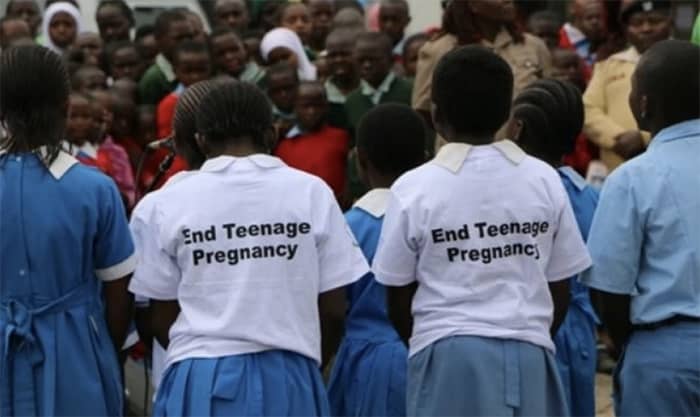
Stakeholders have raised concern over the number of young girls who are dropping out of both secondary and primary levels due to pregnancy.
The concerns come following statistics revealed before Parliament by Primary and Secondary Education Minister, Honourable Torerai Moyo, who indicated that over 4,500 learners, dropped out of school last year due to pregnancy and 150 of those were in Primary School.
In a press statement, non-governmental organisation, Shamwari Yemwanasikana which closely works with the girl child, bemoaned the vulnerability of the girl child.
“These statistics are evidence of the vulnerability of the girl child and how it affects the education and prospects of young girls in Zimbabwe,” read the statement.
“We acknowledge the government’s efforts to provide legal provisions for pregnant students to continue their education through the Education Amendment Act. However, the systemic barriers stigma, lack of support, and insufficient resources hinder their return to school.”
The organisation called on other like-minded organisations to work with the government and raise awareness on the readmission of learners into schools after pregnancy.
“It is important that we as CSOs, communities and private sector work together with the Ministry of Primary and Secondary Education to not only promote awareness, but also implement concrete measures that ensure these learners are welcomed back into educational institutions without fear of discrimination.
“We applaud the President of Zimbabwe for the SI on the age of consent that was passed early this year, which stated that anyone below the age of 18 cannot consent to sex and anyone who has sexual intercourse with a child will attract a prison sentence of up to 10 years.”
Shamwari Yemwanasikana also called out practices that still promote child marriages.
“We call to action church leaders, traditional and community leaders and men and boys in our communities to be agents of change.
“Most of the teenage pregnancies we record as Shamwari stem from religion or tradition. We have churches that allow minors to be married, hence affecting the development of the girl child. On that note, we call for the regularisation of churches and for religious leaders to make churches a safe space for girls.
“We strongly believe that these groups as custodians of patriarchy can make a transformational change by calling out patriarchy’s harmful beliefs and practices, hence protecting the girl child and supporting her education.”

