



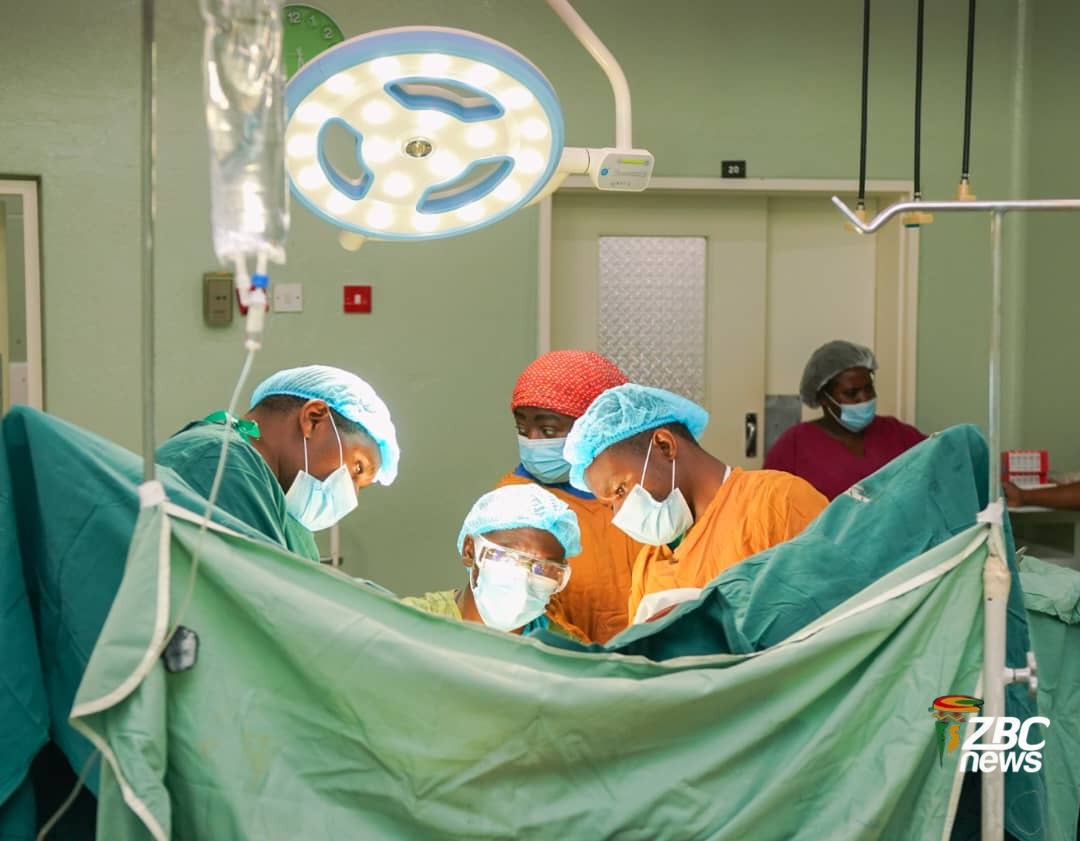
Story by Abigirl Tembo, Health Editor
THE Midlands Province has launched its first specialised fistula repair camp, offering surgery to women who have endured years of stigma and physical discomfort caused by obstetric fistula, a preventable childbirth injury often linked to prolonged labour without timely medical intervention.
The initiative marks a significant step towards decentralising specialist maternal healthcare services, allowing patients to access treatment closer to their communities.
Midlands Provincial Medical Director, Dr Mary Muchekeza, says the camp is focused on repairing obstetric fistula, a condition that results in the abnormal connection between the bladder and the vagina, leading to continuous leakage of urine.
“The fistula camp that is going on is meant to repair an opening between the bladder and the vagina, where urine ends up leaking through the vagina. These organs are not naturally meant to connect, but they do when women experience prolonged labour, especially when they stay at home for too long before reaching health facilities. The pressure cuts blood supply to the bladder, and it eventually forms a connection with the vagina.”
Dr Muchekeza said the initiative marks the first time such specialised procedures are being conducted in the province, reducing the need for patients to travel long distances for treatment.
“Previously, many women had to travel to Bulawayo or other referral centres to access this service, which was costly and difficult, especially for those coming from areas such as Gokwe. Having this camp in the Midlands decentralises the service and makes treatment more accessible,” Dr Muchekeza said.
The province is positioning itself as a hub for specialised maternal health services, leveraging expertise from Midlands State University and specialists stationed at provincial hospitals.
The Midlands has the advantage of having a medical training institution and specialists such as urologists and obstetricians. Our hope is that after this first camp, our doctors will be fully capacitated to continue providing these services locally,” Dr Muchekeza added.
Dr Muchekeza said the long-term vision is to make fistula repair a routine service rather than an occasional intervention.
“My vision is that fistula repair should eventually become a daily service where women can simply walk in and get treatment without waiting for special camps. We also want the doctors who are being trained during this programme to become trainers themselves so they can extend the service to district hospitals.”
The camp is expected to bring relief to women who have lived with the condition for years while strengthening the province’s capacity to provide specialised maternal health services.

