



Story by Gay Matambo
JOURNALISTS have been urged to strengthen accurate and ethical reporting on Sexual and Reproductive Health and Rights (SRHR) to help combat misinformation and improve public awareness on critical health issues.
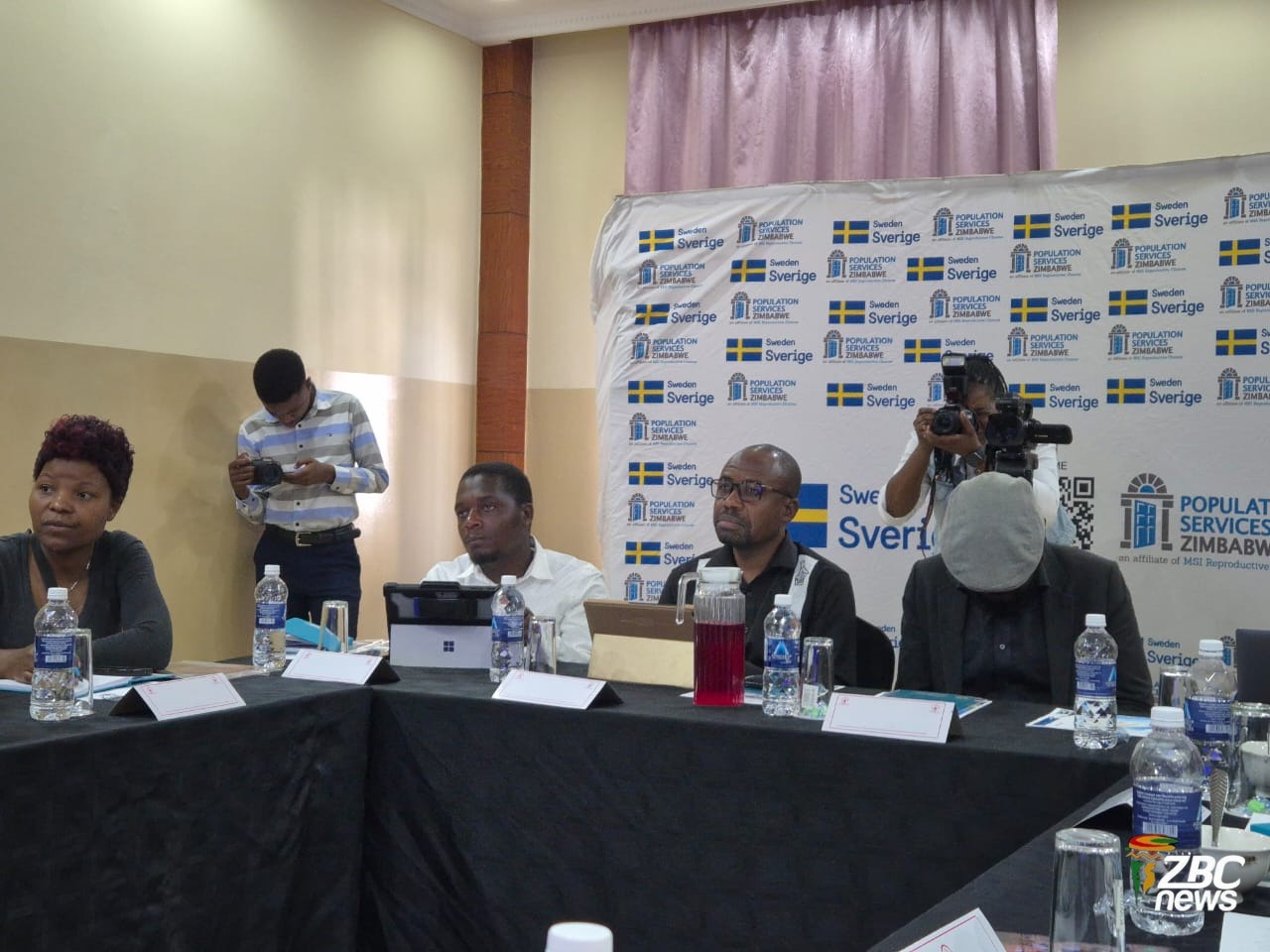
The call was made during a two-day Population Services Zimbabwe (PSZ) media training programme held in Mutare this week, which brought together journalists from various media houses.
Director of My Age Africa, Mr Onward Gibson said continued capacity-building initiatives were essential in equipping journalists with the skills needed to report responsibly on sensitive health matters.
“There is need for capacity building initiatives, and the training is aimed at motivating and adequately preparing journalists to cover stories on Sexual and Reproductive Health and Rights,” he said.
“The media should use its great power to positively influence public opinion towards SRHR and other health issues affecting adolescents and key populations.”
The workshop focused on factual and ethical reporting of SRHR issues, including access to reproductive health services, family planning, safe motherhood and gender-based violence.
PSZ Advocacy Co-ordinator, Ms Diana Mailosi said the media remains critical in raising public awareness and influencing health policy discussions.
“Media advocacy remains an integral part of our work in raising awareness on health issues as well as influencing policies on health. Journalists must be equipped with skills that enable them to report knowledgeably using the right terminology,” she said.
PSZ Advocacy and Gender Advisor, Ms Nyasha Mudavanhu said the training sought to ensure journalists report accurately and provide proper context on SRHR issues.
“The intention is to ensure that when journalists are reporting on these issues, they do so correctly with the right information and background,” she said.
Participants said the workshop highlighted the importance of responsible journalism in addressing stigma and misinformation surrounding sexual health.
Mr Fortune Marangwanda said sensational reporting often harms vulnerable communities.
“This workshop taught me that sensationalism actively harms real people. We need to frame SRHR as healthcare, not as a scandal,” he said.
Journalist Ms Muvhuso Chibi said the media has a responsibility to break the silence around adolescent sexual health.
“In my community, talking about adolescent sexual health is taboo, but withholding scientific, evidence-based facts from young people leads to higher STI and teenage pregnancy rates. Our reporting must be factual and fearless,” she said.
The engagement comes as Zimbabwe intensifies efforts to achieve Vision 2030 targets, including universal access to healthcare and reduced maternal mortality.

