



Story by Tichaona Kurewa
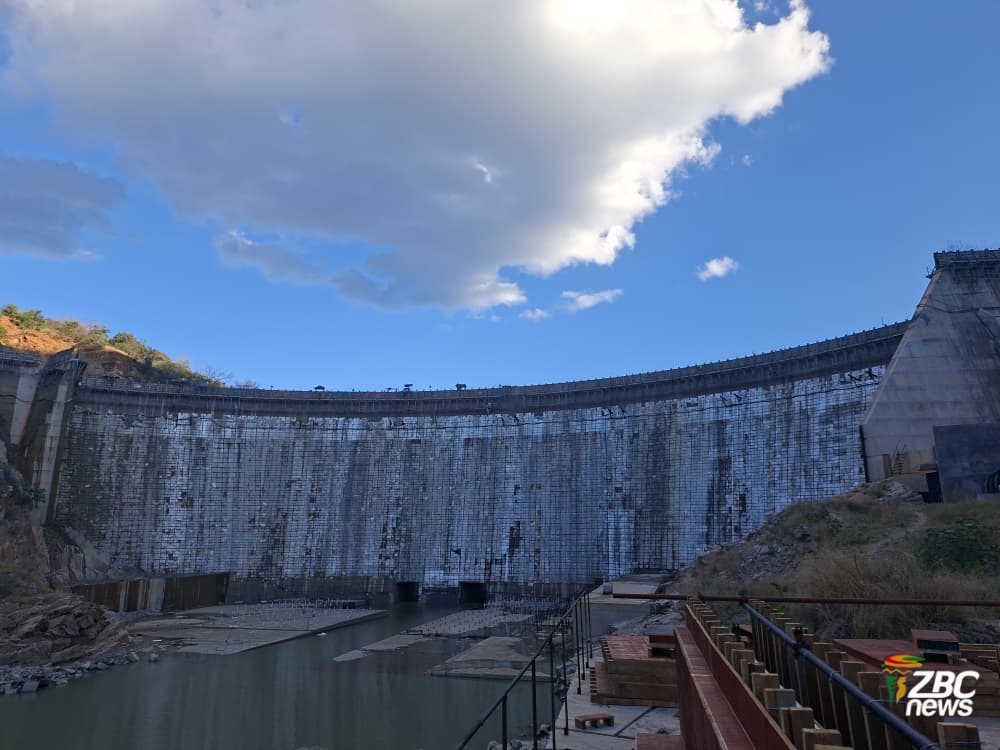
THE multi-million-dollar Gwayi-Shangani Lake project is emerging as a key driver of employment creation and skills development, with hundreds of workers acquiring practical technical expertise expected to improve their long-term economic prospects beyond the lifespan of the project.
More than 500 workers are currently employed at the expansive infrastructure development site, where many have transitioned from unskilled labour into trained artisans and supervisors through hands-on experience and workplace mentorship.
The project, one of Zimbabwe’s flagship infrastructure programmes under the Second Republic, is not only expected to improve water security and industrial development but is also leaving behind a growing pool of skilled workers equipped for future opportunities in the construction and engineering sectors.
Several employees at the site say the project has transformed their lives by exposing them to specialised trades they had never previously practised.
“Before joining this project, I did not have any welding experience, but through the training and exposure I received on site, I can now fabricate and weld metal structures with confidence,” said one worker.
“In addition to welding, I have also learnt carpentry skills such as measuring, cutting and assembling structures. These are skills that will continue to help me even after the project is completed.”
Another employee said the project had enabled him to grow from an ordinary labourer into a team supervisor.
“When I first came here, I worked as a general hand without any leadership experience. Over time, I learnt how to supervise teams, enforce safety standards and coordinate daily operations. The experience has given me confidence and skills that I can use in future employment opportunities,” he said.
Development experts say large infrastructure projects should increasingly be utilised as centres for human capital development, particularly for youths and communities surrounding the projects.
Sustainable development expert, Mr Daniel Sithole said there is a need for closer collaboration between contractors and tertiary institutions so that workers can graduate with recognised qualifications in addition to practical experience.
“Projects of this magnitude provide an important platform for skills transfer. Workers are gaining practical competencies in welding, carpentry, machinery operation and construction management, but there is a need to formalise these skills through accredited certification,” he said.
Mr Sithole noted that recognised qualifications would allow workers to compete more effectively in both local and international labour markets while strengthening Zimbabwe’s skilled workforce.
“Such partnerships would ensure that national development projects leave behind a lasting legacy of qualified artisans and professionals capable of contributing meaningfully to economic growth long after construction works have been completed,” he added.
The Gwayi-Shangani Lake project, which commenced during the early years of the Second Republic, is expected to play a strategic role in improving water supply to Bulawayo and surrounding regions while supporting irrigation, industrialisation and rural development initiatives.
Authorities expect the dam to be completed before the end of the year, marking a major milestone in Zimbabwe’s infrastructure modernisation agenda.

