



Story by Abigirl Tembo, Health Editor
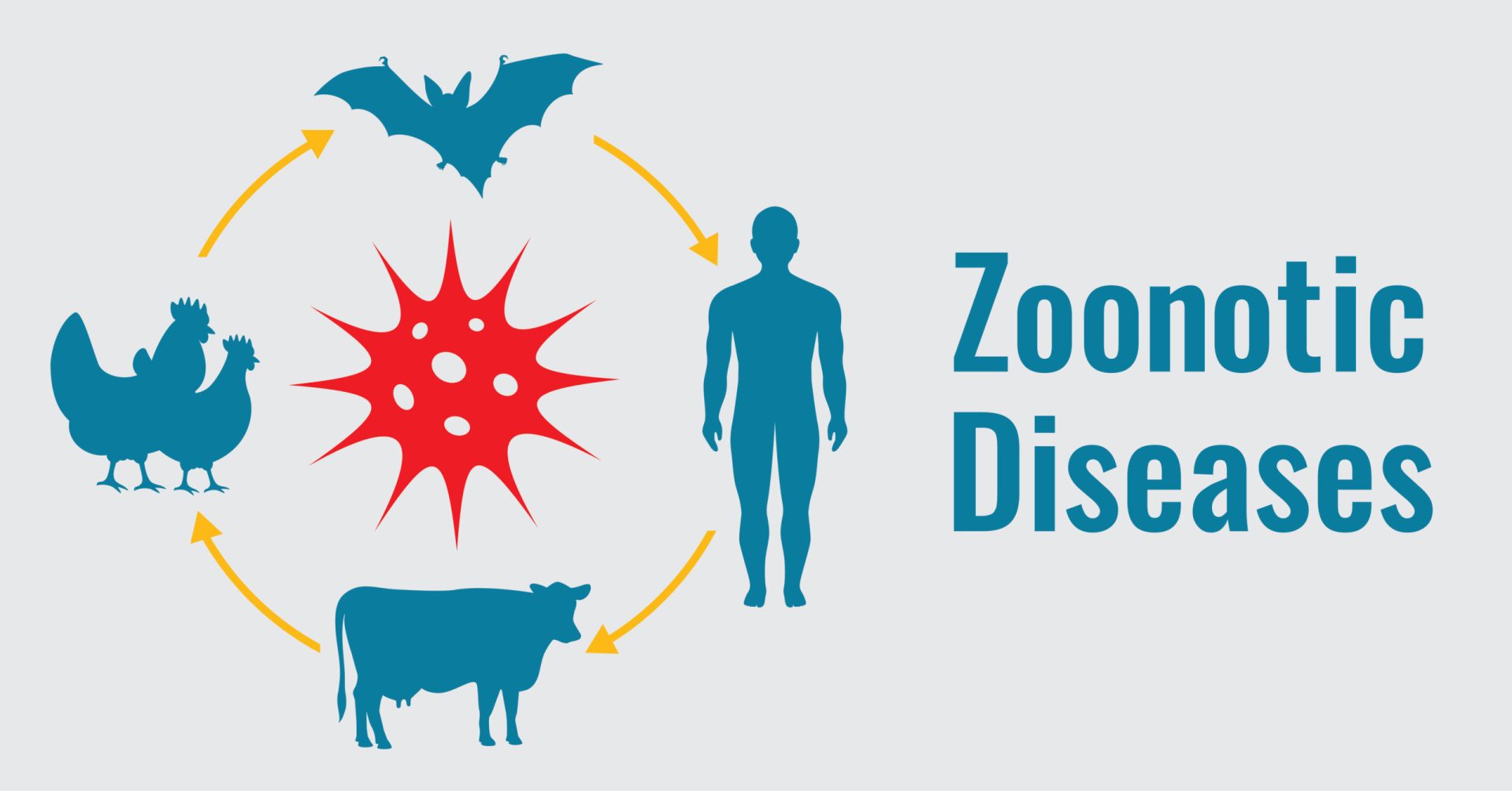
Zoonotic diseases which are transmitted from animals to humans, are posing a significant public health challenge in Zimbabwe, with experts calling for increased awareness and preventive measures.
Estimated to contribute to a staggering 70% of all emerging infectious diseases in humans, zoonotic diseases are now a cause for concern.
As the world grapples with the lingering effects of the COVID-19 pandemic, a zoonotic disease veterinarian, Dr Toonse Mudimba underscores the potential for animal-borne pathogens to cause global pandemics.
“The recent COVID-19 pandemic originated from bats, animals. It caused a global pandemic that affected humans, then we have diseases like the Ebola virus among others. So, veterinarians are very important in the control or detection of zoonotic diseases because if they detect these diseases very early, we can then prevent them from being transmitted to humans. They are also key in disease surveillance, they can always monitor the vectors which are involved in transmitting these diseases.
“So if those issues are dealt with early by veterinarians then it means humans can be prevented from getting these diseases. Most domesticated animals will be on top of my list for transmitting zoonotic diseases because we are a country invested in agriculture. So these domesticated animals have different zoonotic diseases that we get in Zimbabwe like rabies from dogs, anthrax from cattle, we get brucellosis from consuming contaminated milk from cattle. We also have reservoir animals.”
Dr Mudimba advocates for a “One Health” approach, noting the need for collaboration between veterinarians and public health officials.
“Veterinarians and public health officials should collaborate together in a one health approach because I think about 70% of the diseases in humans come from animals. So the public health officials and veterinarians should work together in disease surveillance in diagnostic work, in disease monitoring and even in capacity building, even in raising awareness to farmers, to the public at large, to let them know to avoid certain causes of zoonotic diseases and how they can be controlled,” added Dr Mudimba.
Beyond the mentioned diseases, rabies from dogs, anthrax from cattle, and brucellosis from contaminated milk are all zoonotic threats, but these illnesses are preventable with proper animal vaccination programmes.
Other examples of zoonotic diseases include rabies which comes from dogs, anthrax from cattle and brucellosis from contaminated milk.
Despite being fatal, these diseases can be prevented by vaccinating animals.

