



Story by Abigirl Tembo, Health Editor
ZIMBABWE has taken a critical step forward in addressing the growing crisis of drug and alcohol abuse, particularly among people living with HIV (PLHIV), through the development and validation of a locally adapted screening tool.
The newly validated three-question alcohol use disorder (AUD) screening tool, developed under the Zimbabwe Substance Use and Alcohol Screening Validation Z-SUAV study, is the first of its kind tailored for Zimbabwe’s healthcare system.
Led by the Organisation for Public Health Interventions and Development (OPHID), the University of Zimbabwe, and its partners, the tool addresses a critical gap by offering a quick and culturally relevant way to detect substance use disorders at primary care level.
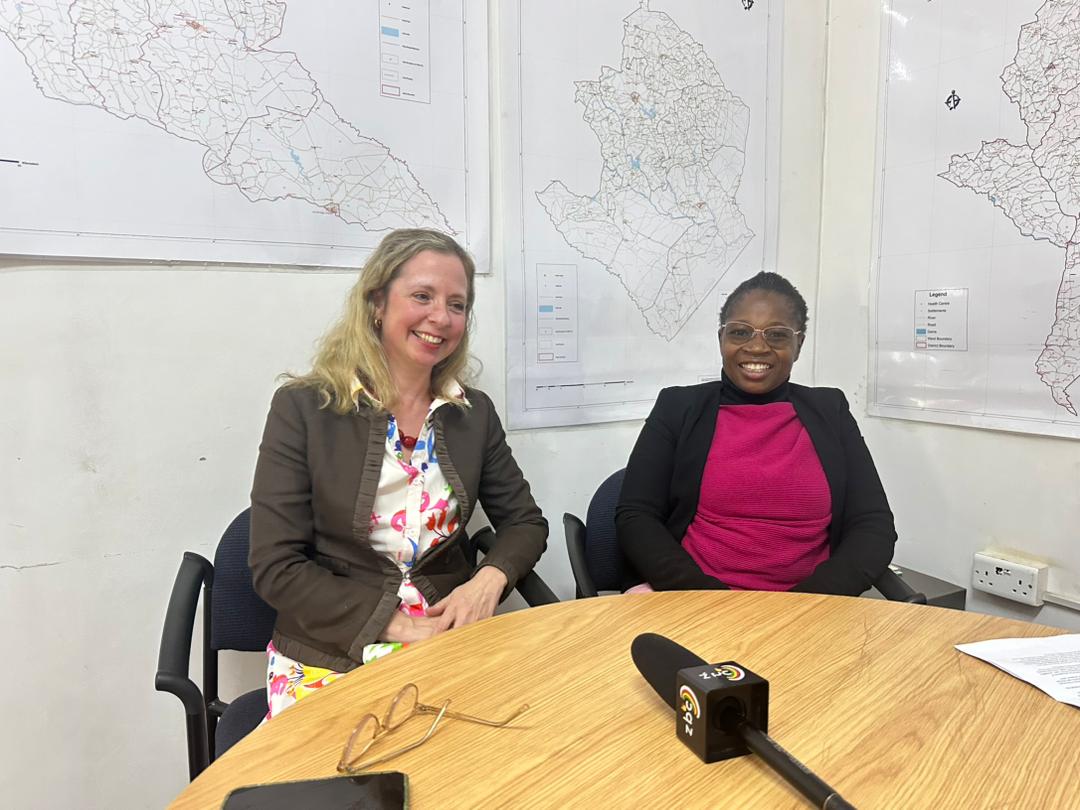
Dr Melinda Kaiyo–Utete, Co-Principal Investigator from the University of Zimbabwe, underscored the tool’s importance during a presentation of the study findings.
“We were looking for something simple and efficient to accommodate in our busy clinics. Substance use disorders are rising, especially among PLHIV, but we lacked an evidence-based method to screen effectively. We found that about 20%, that’s one in every five people, attending HIV clinics has an alcohol use disorder,” Dr Kaiyo–Utete said.
The tool is designed to be used by lay health workers and facility-based staff, requiring minimal training and time while improving the ability to identify individuals at risk.
Dr Karen Webb, OPHID Deputy Executive Director, highlighted the importance of early intervention and youth-focused programming.
“Young men in our study communities showed very high rates of alcohol and substance use disorders. Prevention and tailored interventions are key. With this validated tool, we are now looking to work closely with the Ministry of Health and Child Care to co-design the next steps, ensuring the tool is practical, sustainable, and aligned with national policies,” Dr Webb said.
The new screening tool, designed to be brief and practical, enables healthcare providers to detect drug and alcohol abuse, early.
Unlike longer and cumbersome assessments that are impractical in busy clinics, the validated tool consists of just three questions, making it suitable for use even by lay health workers.
This development comes at a critical time as Zimbabwe implements its Multi-Sectoral Drug and Substance Abuse Plan (2024–2030), which calls for stronger local data to guide programming.
Plans are already underway to expand the use of the screening tool beyond Bulawayo and Gwanda, pending further feasibility studies and resource mobilisation.
Researchers acknowledge that the 20 percent prevalence of drug and alcohol abuse identified in clinics could be even higher in communities where stigma and fear may prevent individuals from disclosing substance use.

