



Story by Kenias Chivuzhe
MANICALAND – THE Consignment Based Conformity Assessment (CBCA) law adopted by government in 2015 is under review as the war against the importation of substandard and counterfeit products is being scaled up.
The CBCA initiative, which seeks to protect Zimbabwean consumers and local industries from unfair competition and reduce the risk of hazardous and substandard products entering the country, is being reviewed.
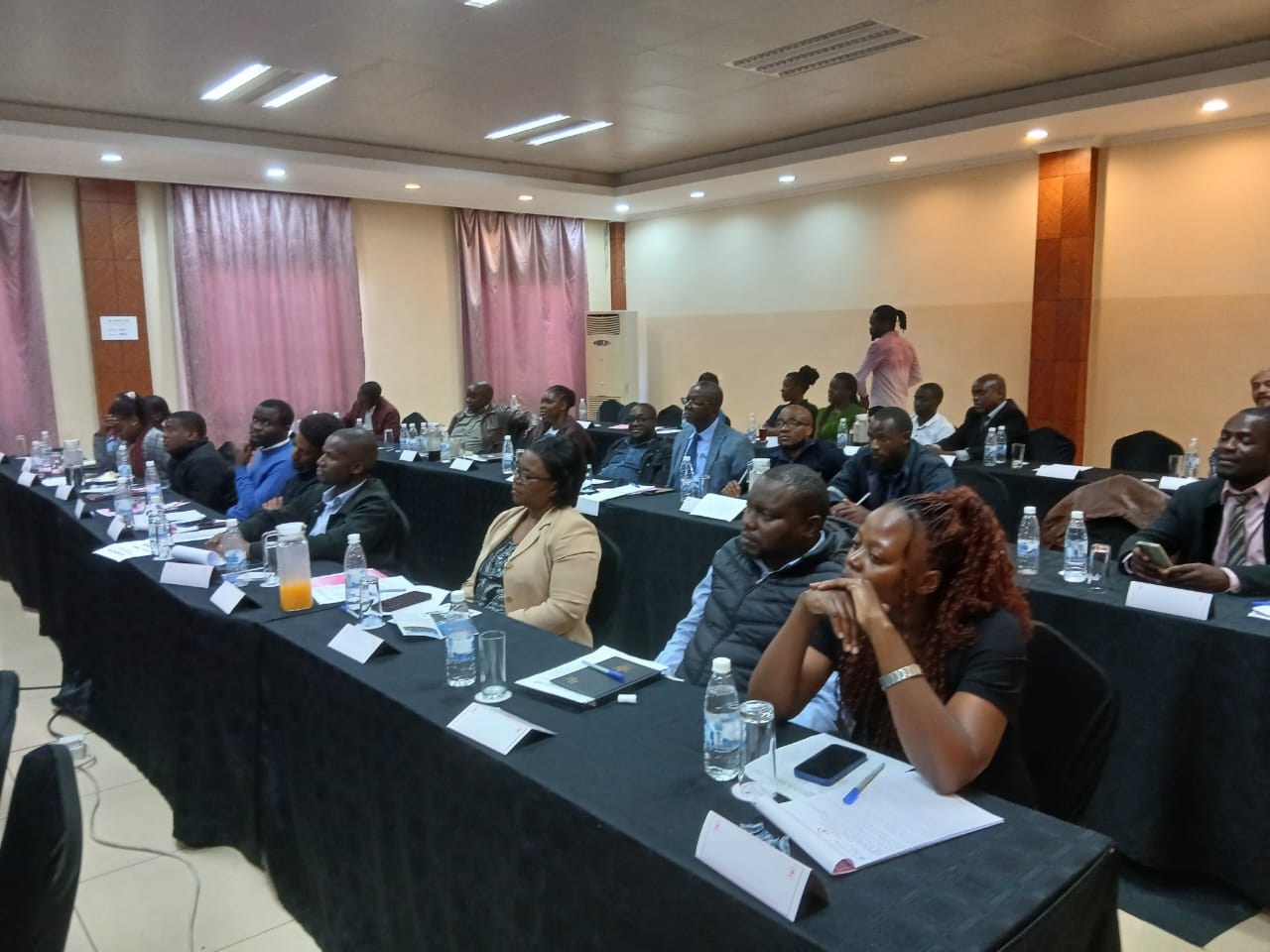
In interviews during a stakeholder meeting in Mutare, there was consensus among the industry and consumers on the need for more awareness campaigns to ensure more people are aware of the law that protects their interests.
“This seminar is important to our consumers because it gives the guidelines on how consumers can be protected. There is a need for more awareness campaigns and roadshows. We have recommended that spare parts should be included on the list of goods under CBCA,” Manicaland Chamber of SMEs chairperson, Mr Kudzai Makore stated.
“We are saying the law is good as it protects the consumers, but we need more awareness to make people aware of the law. We are ready to assist the Consumer Protection Commission in raising awareness on the important trade provision,” Zimbabwe Retailers Association of Zimbabwe Manicaland Chairperson Mr Matyorwenyi Chiromwaamba added.
The Director of Quality Assurance and Trade Measures in the Ministry of Industry and Commerce, Engineer Macheka Muchumairi explained the process to attain a CBCA certificate and the importance of verifying the compliance of imported goods with applicable standards and technical regulations before they are shipped to the country.
“We are having stakeholder consultations, which include industrial players, general consumers, and any other regulatory bodies within the province. We are getting input from stakeholders on the CBCA provision as we want to improve on its implementation.”
Statistics estimate that millions of dollars have been lost through the importation of sub-standard goods or equipment thereby negatively impacting local industry operations.

