



Story by Tichaona Kurewa
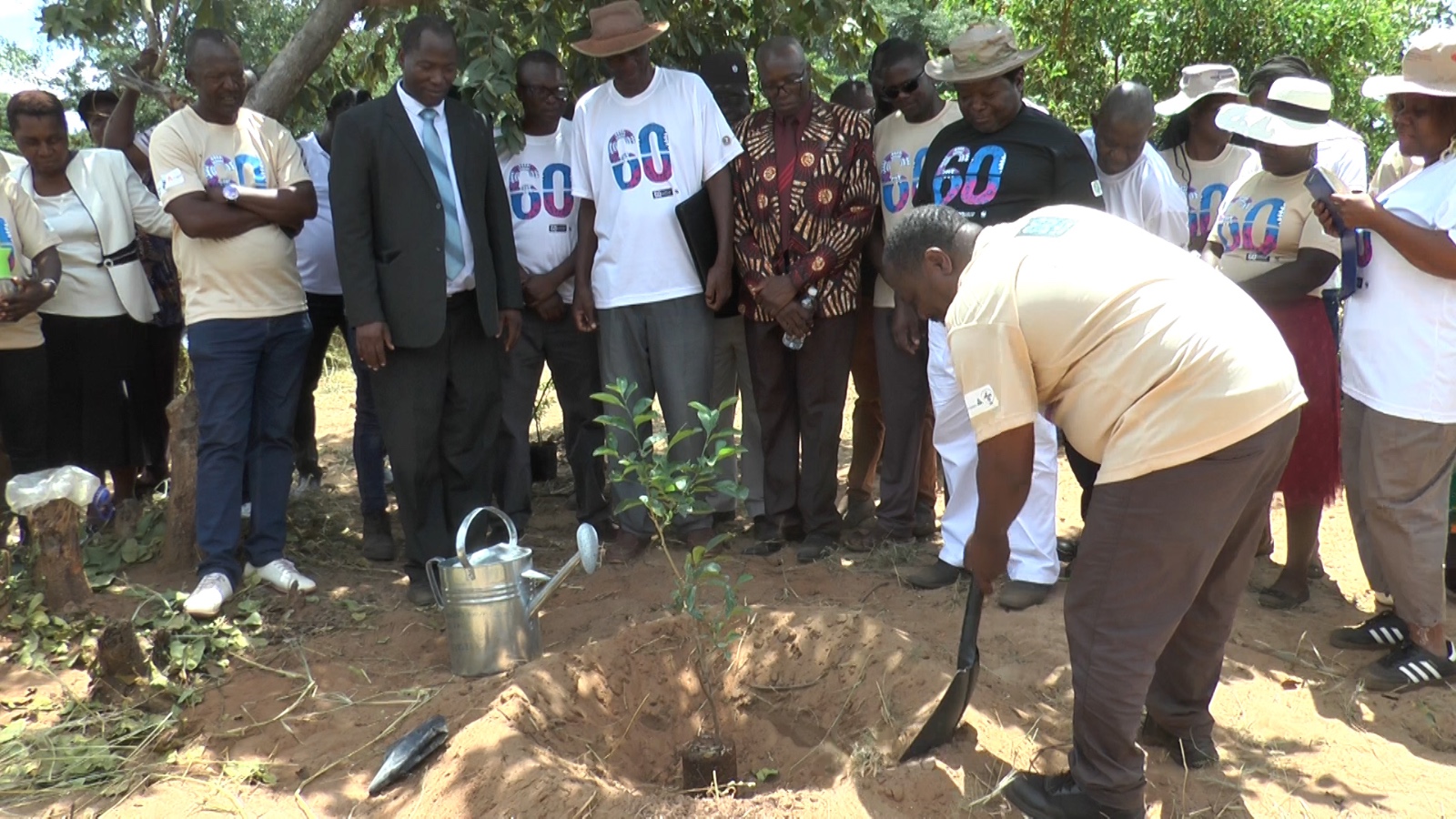
ZIMBABWE joined the global community in observing Earth Hour at Chidobe Secondary School in the Hwange District this Saturday.
Held annually on the last or penultimate Saturday of March, Earth Hour brings together millions of individuals across more than 180 countries and territories in a collective demonstration of support for our planet.
Launched by the World Wide Fund for Nature (WWF) and its partners as a symbolic lights-out event in Sydney in 2007, Earth Hour has since evolved into one of the world’s largest grassroots movements dedicated to raising environmental awareness and promoting action.
More than just a symbolic gesture of switching off lights, Earth Hour has become a powerful catalyst for positive environmental change.
It has successfully driven significant legislative shifts by harnessing the power of public engagement and collective action.
Earth Hour 2025 underscored the critical importance of wetlands and biodiversity.
This year’s event also acknowledged Zimbabwe’s recognition as the host nation for the 15th Conference of the Contracting Parties (COP15) to the Ramsar Convention, the world’s oldest and most experienced multilateral environmental agreement, which is set to take place in Victoria Falls in July.
The commemorations also highlighted the designation of Victoria Falls as a Wetland City, with tree planting activities further marking the occasion.

