



Story by Gay Matambo
LIVESTOCK farmers in Chiredzi have hailed the establishment of a beef processing plant in the area, saying it is in line with government efforts to revitalise the beef industry.
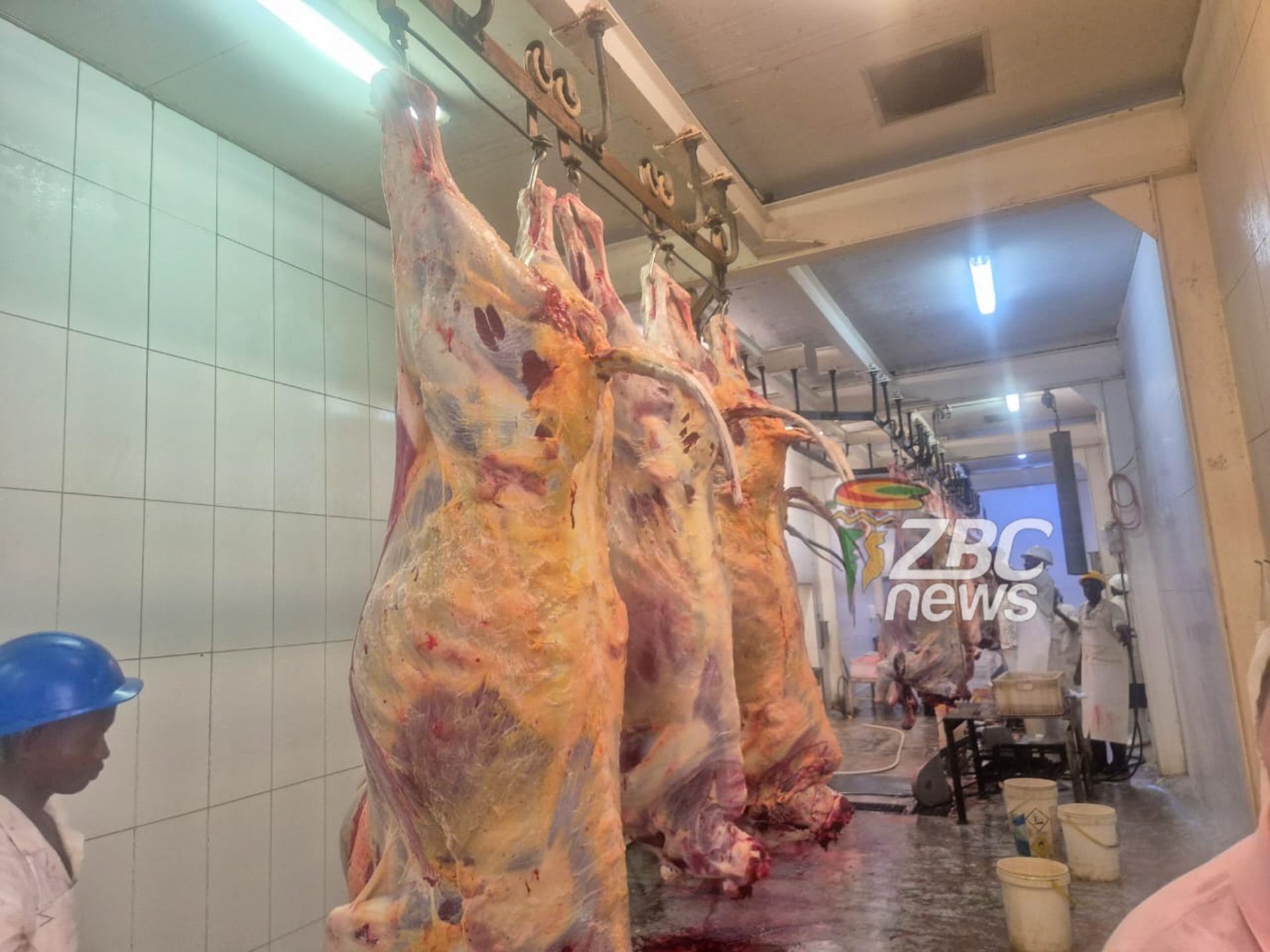
The Koala Park beef processing plant, which consists of a feed lot and an abattoir, was established in 2015 under a public-private partnership model and is currently adding value and earnings for small-scale livestock farmers in the Lowveld who were being taken advantage of by middlemen in the beef value chain.
With more than 2 000 cattle being slaughtered every month, the plant does not just provide a market for local beef producers but also supplies beef across the country.
“We are currently slaughtering 160 cattle per day, of which 60 are supers from the feedlot, while the remainder are supplied by local producers. Since 2015, up to September this year, we have slaughtered 194 814 cattle, averaging 1 517 per month.
“From January 2025, we have averaged 2 000 cattle per month, with our best performance recorded in September this year when we slaughtered 3 190 cattle. This shows that our farmers are performing well. We have built a good relationship with our local producers, sharing information on prices and grades across the province, and we look forward to growing the sector together,” Koala Park Abattoir’s Assistant Manager, Ms Elmarie Nel
“We have a buying station in Chiredzi and all those cattle we get are from the communities. They come in, we prepare them and give them jabs for the various diseases, then we feed them for about 30 days on a background mix. After that, they come into the pens for induction, then we move them to a different feed, a starter mix, which they are on for 60 days. Once they get inducted, they spend their last 30 days before they get slaughtered,” Koala Park’s Feedlot Manager, Mr Matthew Connor explained.
Following the ban on cattle movement from Chiredzi to other parts of the country, livestock farmers in the area say the establishment of more such facilities is a welcome development.
“I am a livestock farmer in Hippo Valley and I started this business three years ago. I have 200 cattle. In Chiredzi, we only have one commercial place to sell our cattle to, hence we need more markets so that we grow our businesses because the Lowveld is ideal for cattle ranching due to its weather and tasty grazing pastures and thereby producing quality beef,” Livestock farmer, Mr Venancio Kurauone said.
The establishment of the plant has also created employment for more than 400 locals.
“Before I was employed here, life was very difficult. We used to work in people’s sugarcane farms to fend for our families, but the establishment of this beef processing plant has been a game-changer for us,” an employee said.
“We were facing challenges to get employed, but now things have changed for the better. I have managed to develop myself in various aspects of my life after getting employed here. I have built a home for my family and my children are going to school,” another noted.
To date, the cattle herd in Chiredzi stands at close to 200 000, with the government also investing in infrastructure to prevent cross-species disease transmission.
This includes the erection of a perimeter fence targeting Gonarezhou and other national parks across the country.

