



Story by Tichaona Kurewa
TOURISM offerings in Hwange District are set to expand following the launch of a three-year programme to restore and protect significant dry-stone archaeological sites linked to Zimbabwe’s ancient civilisation.
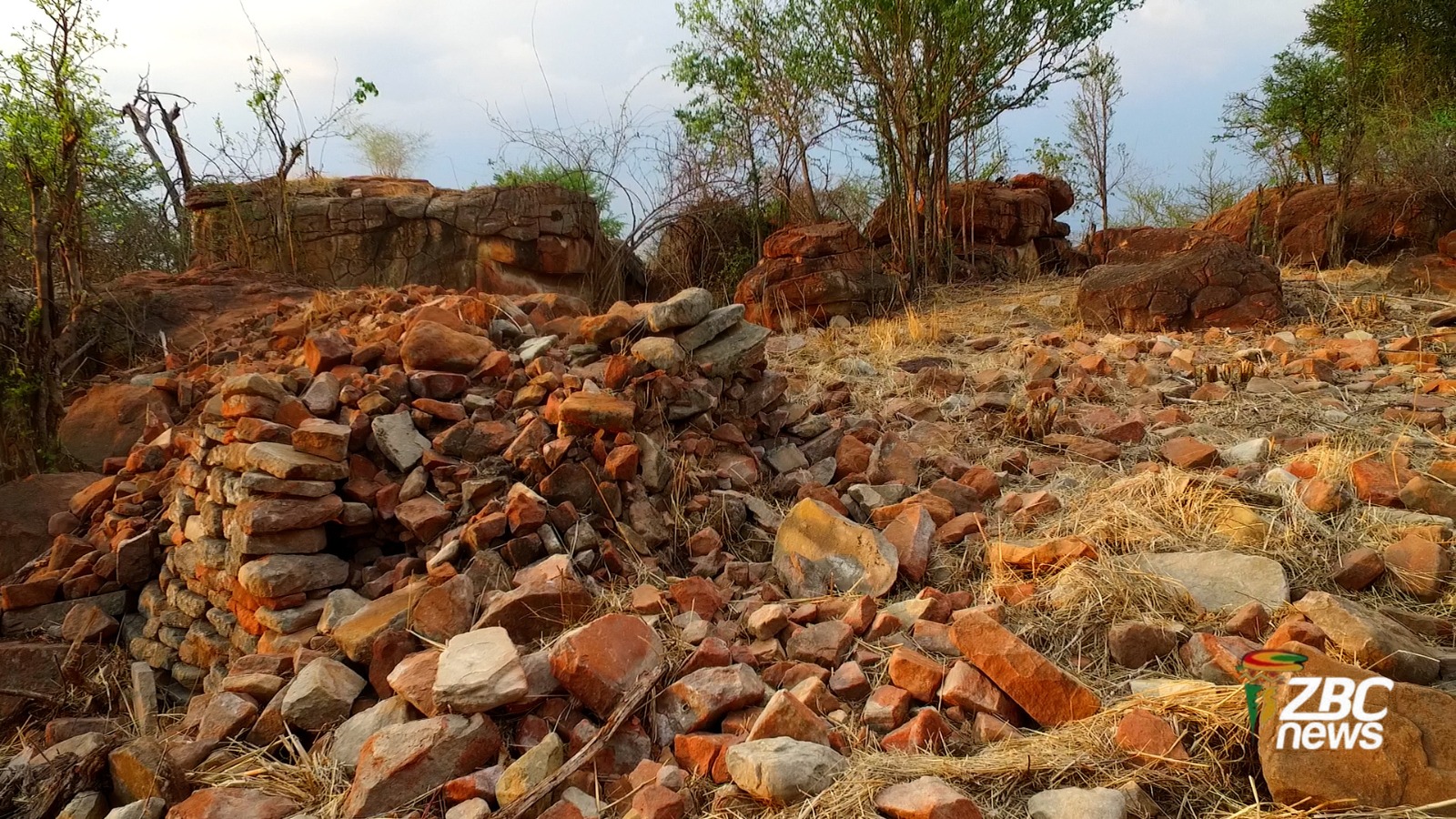
The initiative targets Bumbusi, Matowa, located within Hwange National Park, and Shangano in the neighbouring communal area. The sites are historically linked to Great Zimbabwe and are regarded as ancient capitals of the pre-colonial Nambya state, which flourished between the 14th and 19th centuries.
Speaking during the project’s inception workshop, Project Director Professor Plan Shenjere-Nyabeze said restoration works are expected to commence mid-year, with community participation at the centre of the initiative.
“This project comes with many benefits to the community and the economy in general. Most tourists come to Hwange for wildlife. With these heritage sites restored, visitors will have additional places to explore within and outside the national park. Surrounding communities can also benefit as tour guides,” he said.
The project is funded by the International Alliance for the Protection of Heritage (ALIPH) and is being implemented by the University of Zimbabwe in partnership with the National Museums and Monuments of Zimbabwe, the Zimbabwe Parks and Wildlife Management Authority and local traditional leadership.
Beyond conservation, the programme incorporates alternative livelihood initiatives, including the installation of nearly 2 000 beehives under a bee-fencing model. The approach is designed to deter wildlife from damaging restored structures while generating honey-based income for communities.
Chief Ecologist (Entomology) Dr Jeremiah Chakuya said the initiative will create employment opportunities for youths and help curb social challenges such as drug abuse and poaching.
National Museums and Monuments of Zimbabwe Acting Deputy Executive Director Mr Kundishora Chipunza described the project as a milestone in safeguarding the Zimbabwe Tradition and strengthening sustainable heritage management through skills transfer.
Hwange Chief Mr Amos Chipaya welcomed the restoration drive, saying the sites represent the community’s identity and ancestral legacy.
The programme is expected to enhance cultural tourism in Hwange, diversifying attractions beyond wildlife and positioning the district as a key destination for heritage-based tourism.

