



Story by Thembinkosi Mangena, Assistant News Editor
CHINA is demonstrating how culture, agriculture and technology can be harnessed to drive tourism growth, offering valuable lessons for developing countries seeking to unlock the economic potential of their heritage and natural resources.
Renowned for landmarks such as the Great Wall, China has built a thriving tourism industry by preserving its history, investing in cultural attractions and embracing technology to enhance visitor experiences.
Journalists from developing countries, including Zimbabwe, attending the Seminar of News Officials and Journalists from the Global South, toured some of the country’s leading tourist destinations to gain first-hand insight into China’s tourism model.
Among the sites visited was the Juyongguan section of the Great Wall in Beijing, one of China’s most iconic historical landmarks and a symbol of the country’s rich architectural heritage.
Built as a military defence system between the third century BCE and the 17th century CE, the Great Wall stretches across 15 provinces, autonomous regions and municipalities.
According to tourism statistics, the monument attracts about 20 million visitors annually, making it one of the world’s most visited heritage sites and a major contributor to China’s tourism revenue.
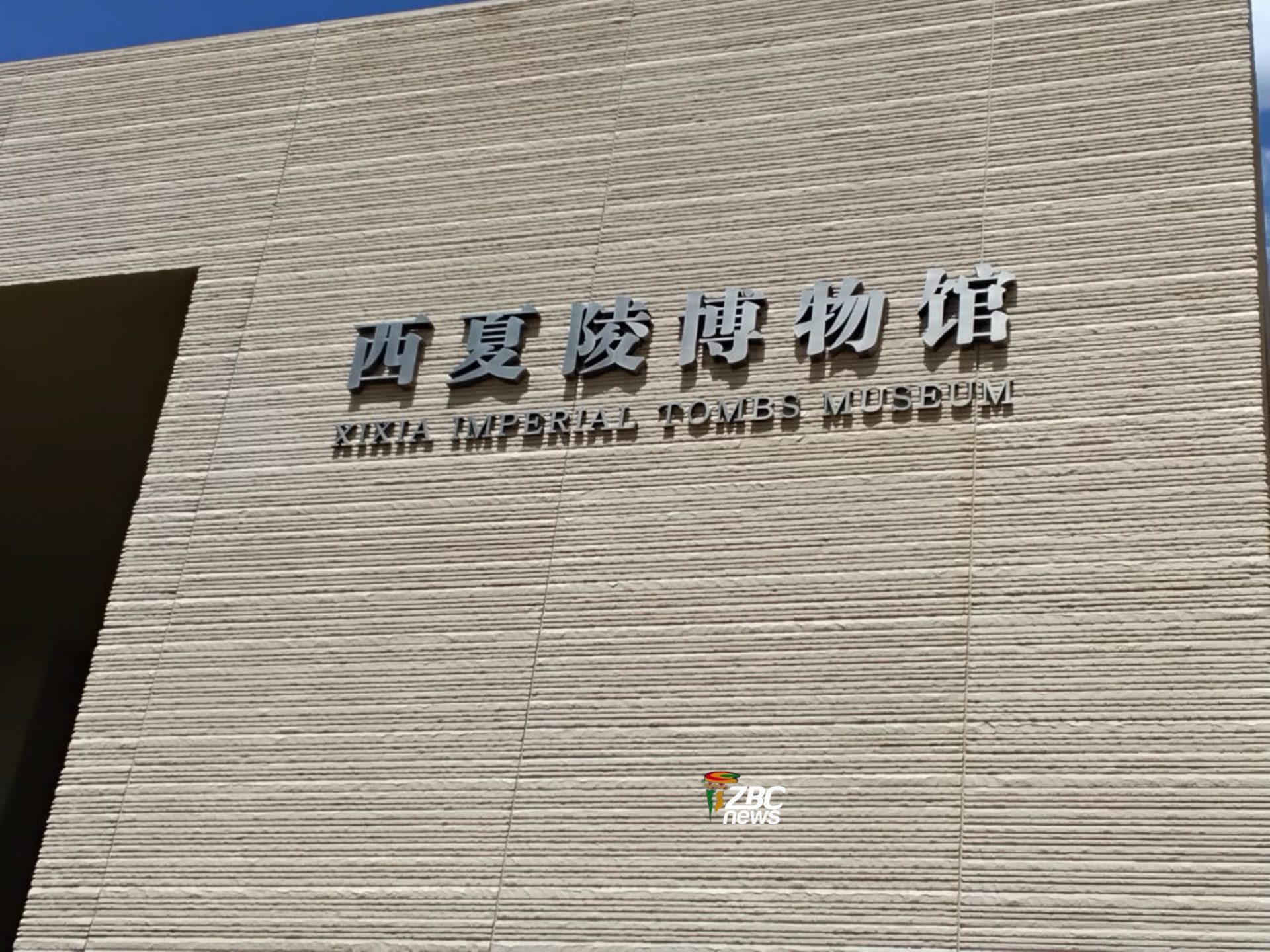
Beyond Beijing, delegates also toured attractions in Yinchuan Province, including the Western Xixia Mausoleum and Museum, Minning Town and the Zhihui Yuanshi Winery.
The Xixia Mausoleum preserves the history and cultural legacy of the Xixia Dynasty, which ruled the region for about 190 years between the 11th and 12th centuries.
At Minning Town, delegates observed how drama, theatre and artificial intelligence are being integrated to recreate historical experiences and showcase traditional Chinese culture to visitors.
China is also accelerating the use of digital technologies in tourism. Early last month, Beijing unveiled a three-year strategy to fast-track the adoption of artificial intelligence across the cultural and tourism sectors to improve heritage preservation and visitor engagement.
Journalists attending the seminar said the Chinese experience provides practical lessons for developing countries seeking to grow their tourism industries.
Zimbabwean journalist David Muchuchu said the country could draw inspiration from China’s approach to cultural tourism.
“China has provided a template for the growth of cultural tourism. There is more that needs to be done, and in Zimbabwe, we need to be aggressive in promoting the Victoria Falls, the Great Zimbabwe. It is good that Zimbabwe was recognised by Forbes Magazine as the best place to visit in 2025, so we can build on that.”
Tamelo Ramathoi of Botswana said greater investment in preserving and marketing heritage sites could strengthen tourism across Africa.
“The investments in cultural tourism by the Chinese government are impressive. We can do more to preserve and market our national heritage back home.”
Bryan Mori from the Federated States of Micronesia said emerging technologies offer new opportunities to safeguard cultural heritage.
“In our country, we have a lot of tangible and intangible cultural heritage, talk of the dances, rituals and even food. In the AI era, we have a good opportunity to ensure that this heritage is preserved and recreated, as it can be easily forgotten. We are glad that China is leading the charge, and it is up to us to learn from the best.”
The seminar has brought together media professionals from developing countries across the Global South to exchange experiences and strengthen cooperation in journalism and communication.