



Story by Abigirl Tembo, Health Editor
ZIMBABWE’S healthcare system is strengthening diagnostic services through the adoption of modern technologies aimed at ensuring equitable healthcare delivery for all.
Across the country, the transition from analogue to digital imaging is addressing long-standing diagnostic challenges that previously delayed treatment and increased costs for patients, particularly in rural communities.
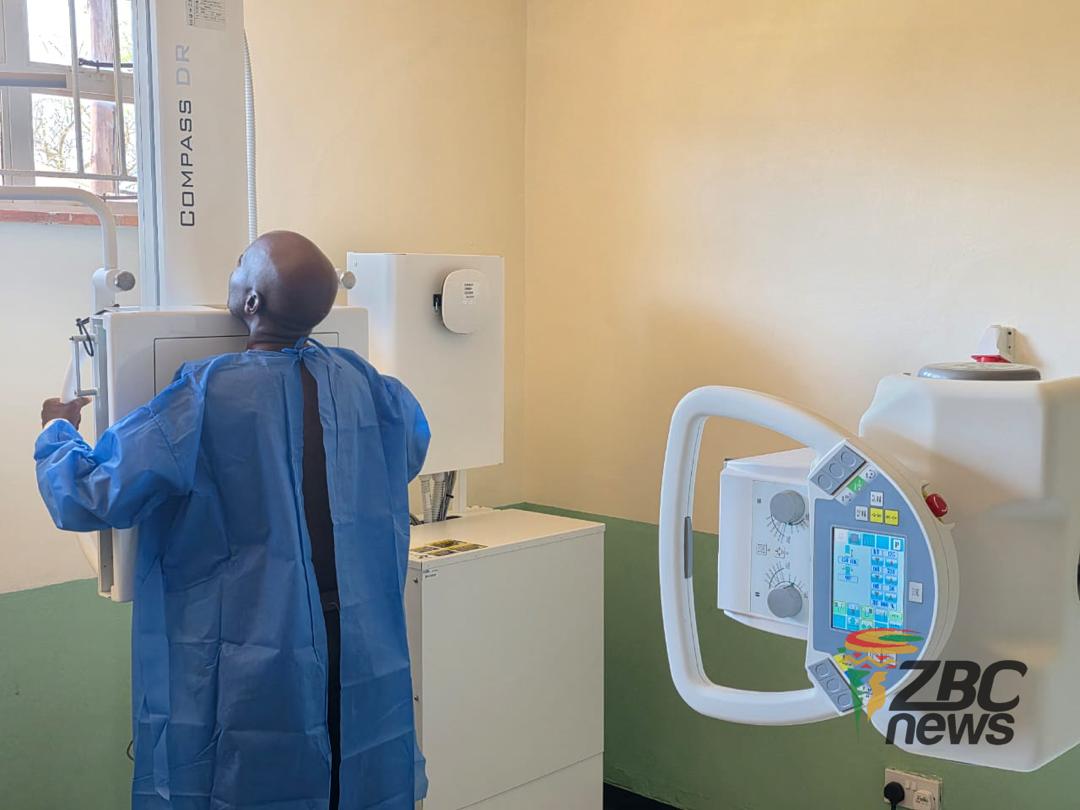
In Honde Valley, a newly operational digital X-ray machine procured by the Government for Hauna Hospital is transforming access to healthcare. The equipment is enabling quicker diagnosis and reducing the need for patients to travel long distances in search of imaging services.
“This is a great development for us in the district because these machines are faster and more efficient, meaning better patient outcomes. Lately, they have been serving a lot of people,” said one patient.
“I have just had my chest X-ray and the results are already out. I am now on my way to the doctor so that he can explain the findings. I am really happy with the turnaround time,” another patient said.
Health officials say the technology is a critical tool in enhancing disease detection, particularly for tuberculosis, while improving overall efficiency in the health system.
“We used to rely on analogue systems where X-ray films had to be developed manually. Sometimes the images would come out too dark or too light, making it difficult to make a proper diagnosis. With digital X-rays, the image is captured instantly and shared electronically with clinicians, improving accuracy and speed of diagnosis. This technology allows for connectivity between health professionals, meaning images can be reviewed remotely, and we are moving towards integrating artificial intelligence to further aid diagnosis,” said Acting Manicaland Provincial Medical Director, Dr Cephas Fonte.
“The turnaround time is now much shorter as clinicians can assess and discuss results immediately. Previously, challenges such as lack of fuel for film processing or poor-quality films would result in repeat procedures, increasing costs for patients. Now, digital systems eliminate these challenges. Patients no longer have to pay for film processing, and the risk of misdiagnosis is significantly reduced,” noted X-ray operator Mr Bernard Kwaramba.
The nationwide rollout of digital X-ray technology, led by the Ministry of Health and Child Care, is strengthening Zimbabwe’s capacity to diagnose and manage a wide range of conditions, including TB and other diseases requiring imaging, while modernising the country’s health delivery system.
As implementation gathers momentum, the initiative is reinforcing government priorities under the National Development Strategy 2 (NDS2) and accelerating progress towards universal health coverage, ensuring equitable access to quality, timely healthcare for all.

