



Story by Oleen Ndori, Foreign Editor
THE 11th Summit of the Organisation of African, Caribbean and Pacific States(OACPS) has concluded in Malabo, with leaders reaffirming their commitment to South-South cooperation, economic transformation and global solidarity.
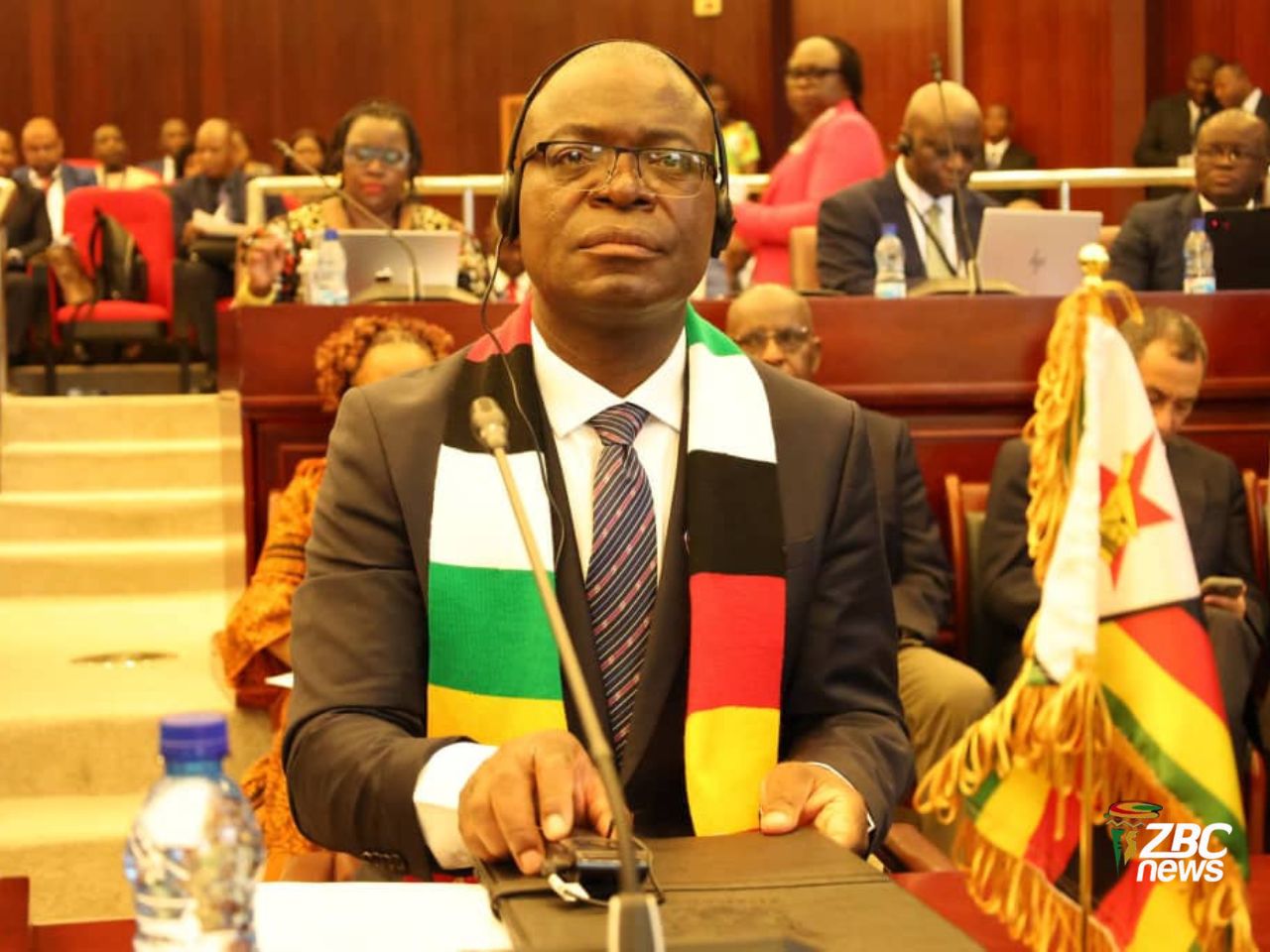
Zimbabwe was represented by the Minister of Foreign Affairs and International Trade, Professor Amon Murwira, on behalf of President Dr Emmerson Mnangagwa.
The summit also marked the organisation’s 50th anniversary, bringing together 79 member states from Africa, the Caribbean and the Pacific to redefine their shared future amid shifting global dynamics.
High-level preparatory forums focusing on youth, women, private sector development, climate change, as well as peace and security, helped shape a results-oriented agenda.
Professor Murwira said the summit emphasised transforming the OACPS into a more effective institution, while also serving as a strategic platform to advance Zimbabwe’s bid for a non-permanent seat on the United Nations Security Council.
“This organisation(OACPS)was formed 50 years ago with the aim of uniting the global south in the areas of trade, people-to-people exchanges, and areas of political solidarity, and this summit looked at the issues of strengthening the OACPS. In actual fact, this summit is supposed to be transforming this institution into a more effective institution. Our discussions were centred around these areas: the economy, youth, women and the business conference which was hosted by the President of Gabon. We have a lot of renewed vigour in terms of the strategic direction that we are taking as we leave this meeting.
“Zimbabwe believes in the multilateral system and our constitution. Section 12, subsection 2 of the Constitution directs us to belong to organisations that promote peace and human dignity, and the OACPS is one of them, as it stands for peace, progress, and solidarity. Meanwhile, Zimbabwe is vying for a non-permanent seat on the United Nations Security Council. Our election is going to be held on June 3, and His Excellency President Mnangagwa found it fit to send his foreign minister on this campaign trail. We have already been to the African Union, where we are the endorsed candidate for the UNSC seat,” he said.
Chair of the summit and President of Equatorial Guinea, Teodoro Obiang Nguema Mbasogo, described the gathering as a turning point for the organisation.
“During the summit, we demonstrated that our organisation remains a space for dialogue, solidarity and cooperation among our peoples. We have exchanged ideas, shared experiences and adopted decisions aimed at strengthening our collective capacity to address the major challenges of our time. We live in a world marked by profound, rapid and complex transformations, geopolitical tensions, armed conflict, the effects of climate change, economic inequalities, food and energy insecurity, as well as challenges arising from the technological revolution. These all require a common, coordinated and united response from us. The Organisation of African, Caribbean, and Pacific States cannot remain idle in the face of these realities. We must adapt, renew and transform in order to respond effectively to the aspirations of our people,” he said.
OACPS Secretary-General Moussa Faki Mahamat said the organisation must evolve to remain relevant in a rapidly changing world.
“This half-century of history is not only a record to celebrate, but it is also above all a responsibility to uphold and a foundation upon which to build the future. This underscores the relevance of the theme of this 11th summit of heads of state of government, transformed and renewed OACPS in a changing world, which aptly reflects our shared challenges and ambitions. The world in which we live is undergoing numerous and sometimes profound transformations, geopolitical reconfigurations, climate and environmental crises, accelerated technological changes, economic and social pressures, and a questioning of traditional multilateralism. In such a context, the OACPS must not remain passive but rather strive to anticipate, propose and act. Our organisation must therefore transform itself. Transforming and renewing the OECPS means first strengthening its political relevance, making our organisation a strategic platform capable of effectively carrying the voice of the Global South, a united voice in major international forums,” he said.
Leaders committed to strengthening multilateralism, boosting economic integration and addressing global challenges such as climate change, inequality and insecurity.
The Malabo summit sets the stage for a more unified and influential OACPS, with focus now shifting to the implementation of its resolutions for tangible development outcomes.

