



Story by Stanley James, Business Editor
THE World Bank has endorsed Zimbabwe’s women economic empowerment policies, citing progress under Government-led gender reforms aimed at strengthening socio-economic development.
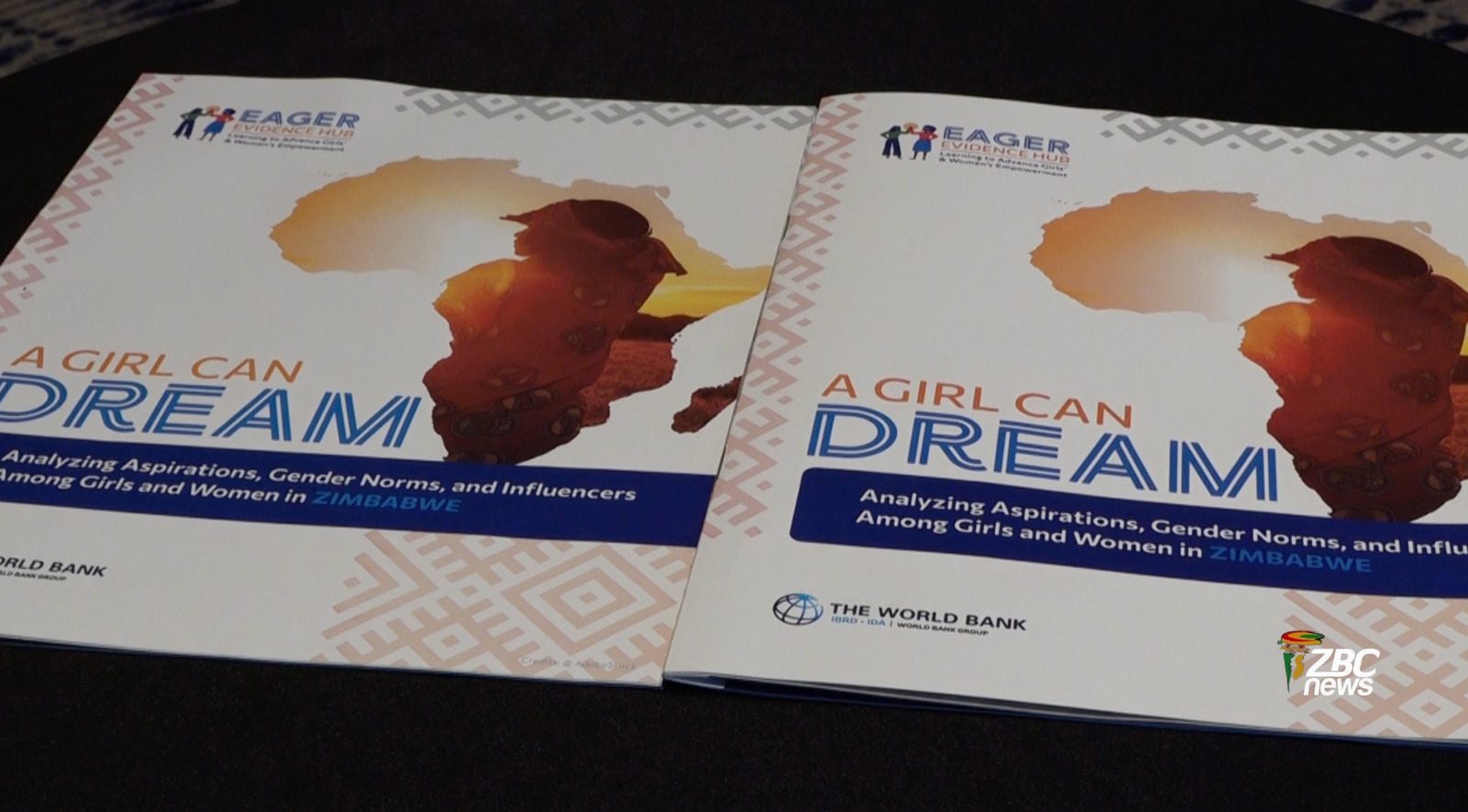
The findings were presented in a report launched on Tuesday, highlighting milestones in advancing the education and economic participation of girls and young women.
The World Bank said Zimbabwe is making strides to ensure women access education, participate in mainstream sectors of the economy and contribute meaningfully to Gross Domestic Product.
“The study explores girls’ and young women’s aspirations and barriers to achieve them. Eighty percent of girls in this survey aspire to attain higher levels of education,” said World Bank Practice Manager Varalakshmi Vemuru.
“While many girls and young women express support for gender equality, hesitance to pursue careers in male-dominated fields still needs more attention. However, we commend the Government of Zimbabwe for showing a strong commitment to advancing gender equality through a series of progressive legal and policy reforms. There is, however, need to implement the policies to achieve more success,” she added.
The Government reaffirmed its commitment to strengthening women’s empowerment initiatives and supporting the girl child.
Minister of Women Affairs, Community, Small and Medium Enterprise Development, Senator Monica Mutsvangwa, said the report’s findings on the cost of gender-based violence (GBV) would shape future financing strategies.
“The cost of GBV findings clearly identify the major cost drivers in GBV response, including health, policing, justice and productivity losses. This critical evidence will directly inform the development of Zimbabwe’s investment case and financing models important advocacy tools for influencing financial investments and strengthening domestic resource mobilisation, which is an imperative priority in the face of declining donor funding,” she said.
The report recommends increased technical and financial support for women, measures to address gender imbalances, expanded female participation in education and greater investment in women-led projects.

