



Story by Stanley James, Business Editor
ZIMBABWE has reduced its dairy import bill by more than 20 %, driven by a notable increase in local milk production from 80 million litres last year to 90 million litres this year.
Official figures show that the import bill for dairy products declined from over US$15 million recorded in the first nine months of last year to below US$10 million during the same period this year, reflecting the positive impact of improved domestic production capacity.
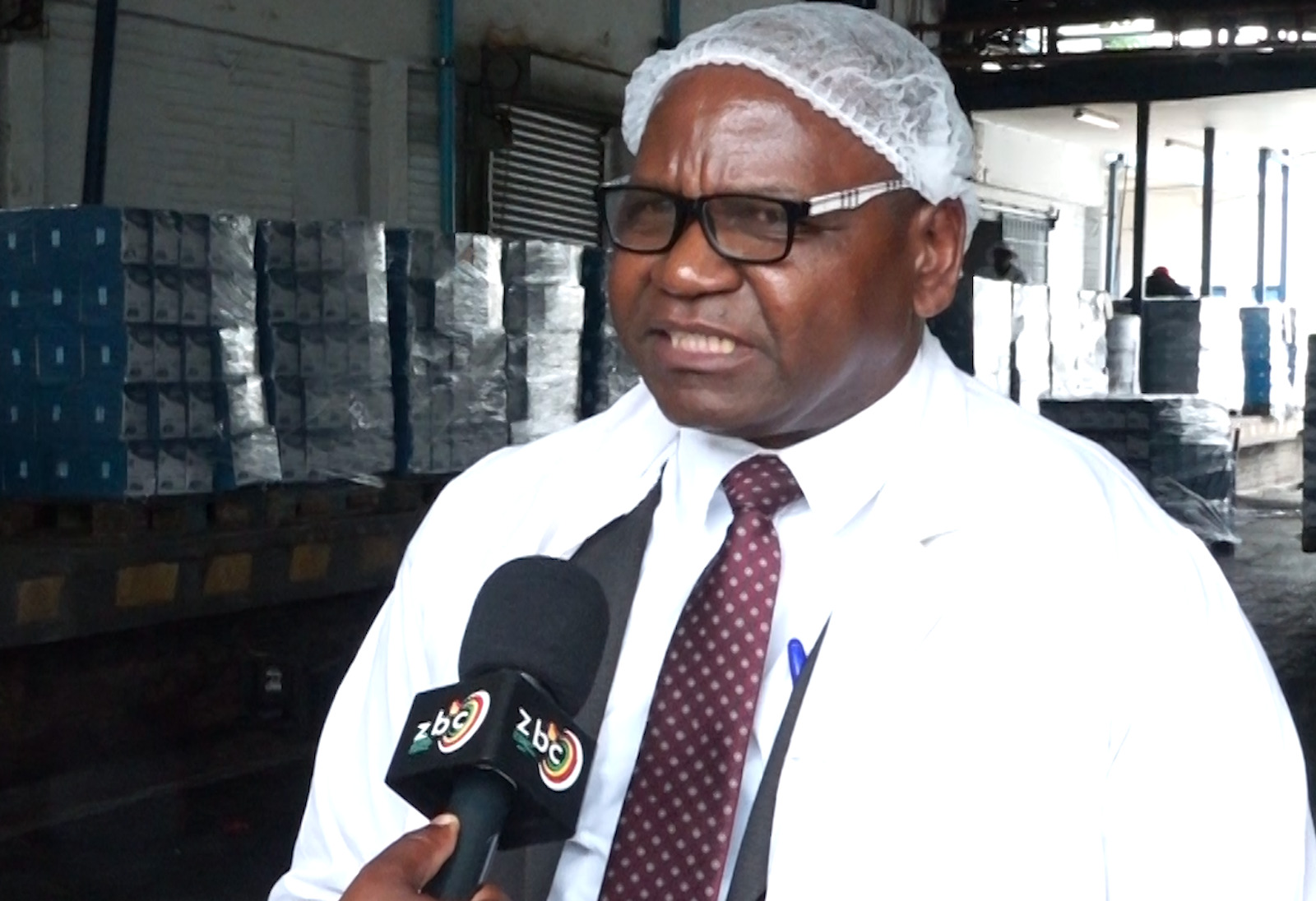
Zimbabwe Dairy Industry Trust Chairperson, Mr Themba Mutsvairo, spoke to ZBC News about the developments, amid the national target of producing 130 million litres of milk per year.
“Increased output helps reduce the national milk deficit, decreasing reliance on imports of dairy products to close the gap. This puts the country on path to achieving self-sufficiency and potentially becoming a next exporter of dairy products, contributing to the national goal of becoming a middle income society by 2030.
“Increased local milk production improves the availability of milk and dairy products in local markets, contributing to better household nutrition and health particularly in rural communities. Higher milk output leads to increased per capita milk consumption which in turn improves human nutrition, health and food security within communities.
The growth in production boosts the viability of local processing firms who can operate at higher capacity rates and helps create a stable pricing regime for consumers. For farmers especially smallholders, dairying can be a profitable route out of poverty, providing regular cash income and improving rural living standards.
Improved productivity directly leads to higher returns for the farmers, a thriving dairy value chain creates job opportunities along the entire value chain from farm to processing. There are also opportunities for women and youth empowerment through participation in various aspects of the industry such as local feed processing businesses and technical services,” he said.