



Story by Memory Chamisa
HARARE – THE dialogue on the critical intersection of climate change and health continues, with Zimbabwe enhancing its resilience to environmental changes while promoting sustainable health practices.
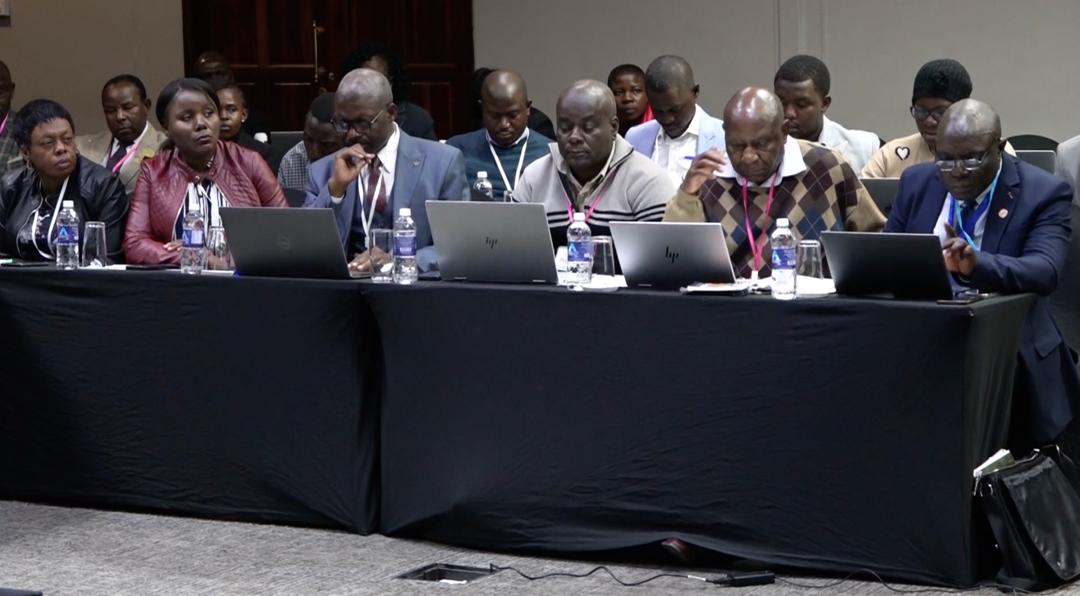
Health experts, policymakers and community stakeholders convened in Harare this Tuesday to deliberate on human well-being.
The engagement, hosted by the Centre for Sexual Health, HIV and AIDS Research (CeSHHAR) Zimbabwe, in collaboration with the Ministry of Environment, Climate and Wildlife, and the Ministry of Health and Child Care, sought to advance strategies aimed at building Zimbabwe’s health resilience in the face of climate-induced challenges.
Participants drawn from various regions, including Mt Darwin and Bulawayo, shared first-hand experiences of how climate change is impacting their communities, particularly the health and livelihoods of women and girls.
Ms Shylet Mupungura, a village health worker at Mt Darwin Hospital, said environmental changes have intensified the burden on women.
“As a health worker in one of the areas that has witnessed it all from epidemic to sexual do the location of the town and economic activities, this meeting highlighted some of the challenges we have as we carry out our work and what we have noted also is that climate change is affecting women especially pregnant ones who in providing for their families endure so much which most of the time is not good for them and the pregnancy,” she said.
Ms Divine Moyo, a health worker from Cowdray Park, highlighted the importance of timely and accurate information dissemination.
“Dissemination of information is critical. I have seen how misinformation during disasters influences people’s choices, whether regarding evacuation or vaccination. As climate change increasingly affects our country and region, it is vital that communities are equipped with accurate, actionable knowledge,” she said.
Traditional leaders echoed similar sentiments.
Chief Dotito of Mt Darwin remarked on how altered weather patterns have upended traditional farming calendars, directly impacting food security and health.
“Climate Change is real and we, as traditional leaders through traditional methods, know that weather patterns have changed and farming seasons no longer follow the trend that was there 10 or so years ago, and this again has affected the health and wellbeing of communities,” Chief Dotito said.
Director of Health Services for the City of Bulawayo, Dr Edwin Sibanda-Mzingwane, warned of the dangers posed by health misinformation, particularly as climate-related health emergencies rise.
“The spread of health misinformation can have devastating consequences, undermining public trust in health systems and leading to reduced uptake of life-saving interventions like vaccines. Effective health communication in Zimbabwe must be rooted in community engagement and built on trust. This project aims to increase public understanding and confidence in reliable scientific information about various vaccinations, including routine immunisations,” he said.
CeSHHAR Zimbabwe’s Assistant Social Scientist, Mr Leslie Nyoni, noted the vital role of research in formulating adaptive responses to climate change within a localised context.
“Our role is to shape future health and climate policies through unity, collaboration, and innovative, context-specific solutions. We must understand the physiological and biological mechanisms linking environmental change to human health,” he said.
Zimbabwe, like many other African nations, continues to face a disproportionate burden of climate-sensitive diseases.
Its limited adaptive capacity and vulnerability to extreme weather events such as droughts, floods, and heatwaves have exacerbated health risks, with Cyclone Idai in 2019 remaining a stark reminder of the urgent need for preparedness and resilience.

