



Story by Tichaona Kurewa
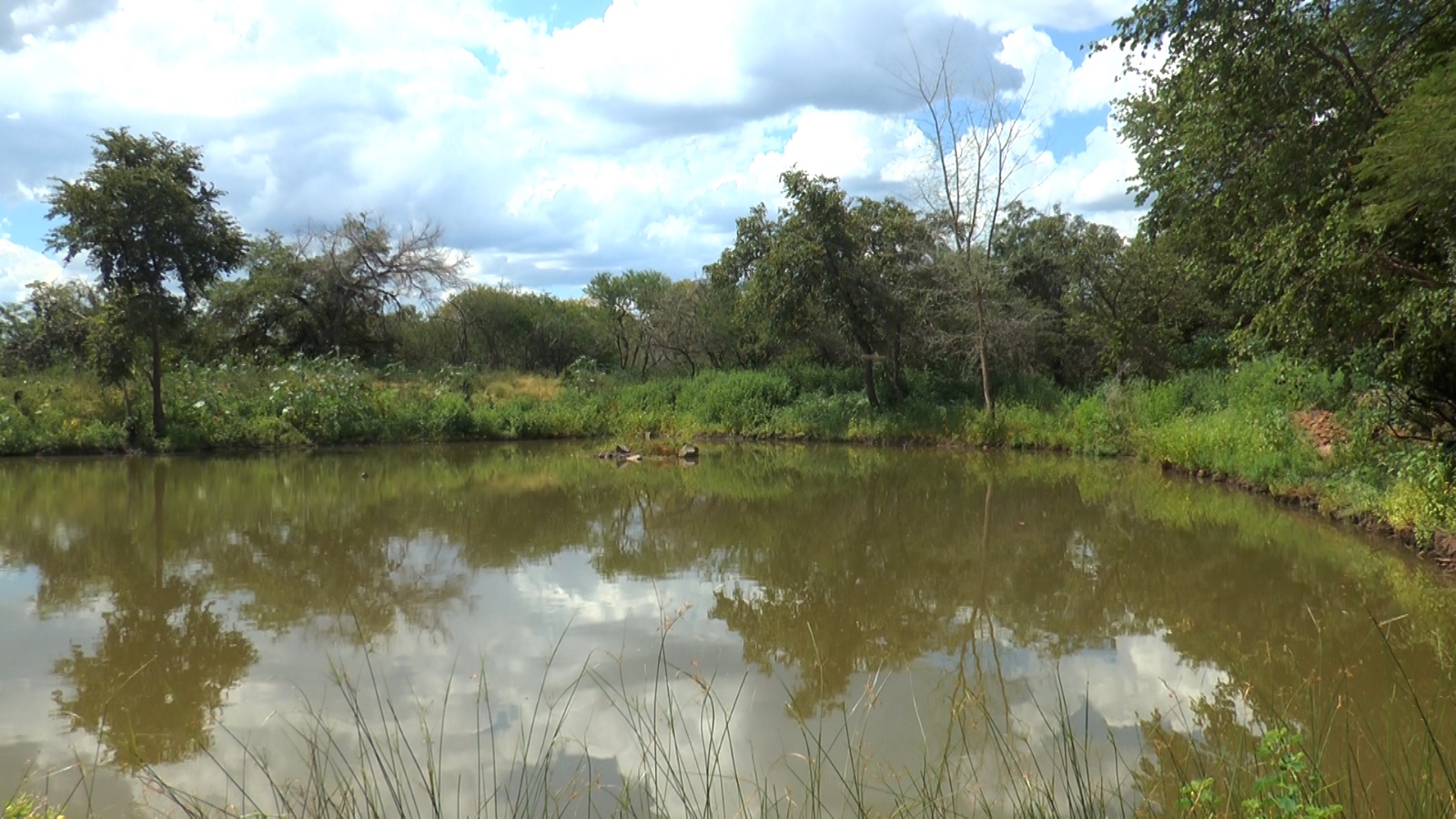
THE desiltation of Chidobe Dam in Hwange District is making a tangible difference, with the reservoir now providing a lifeline for the community and other surrounding areas.
For years, Chidobe Dam suffered from severe siltation, drastically reducing its capacity, and leaving local communities vulnerable to acute water shortages, particularly during the dry season.
However, a collaborative effort spearheaded by the World Wide Fund for Nature (WWF) under its Climate Adaptation and Protected Areas Initiative, in partnership with local authorities, the community, and other development partners, has revitalised the reservoir.
This offers a crucial lifeline to the community and in the attainment of national and international development targets such as Vision 2030 and the Sustainable Development Goals.
“We are grateful for the partners that come to our rescue, water has been a challenge in this community but now we can do various horticulture projects, that can earn us money to survive,” a community member said.
“It is a blessing to us youths, we can now do various projects such as horticulture taking us away from vices such as drug abuse and prostitution,” another community member said.
Project partners, traditional leaders, and local authorities are equally optimistic about the project’s transformative impact.
“We thank WWF and its partners for assisting our community in rehabilitating our dam and our springs, it took us years trying to rehabilitate the source but we faced many challenges in the process, the rehabilitation will alleviate water challenges, especially for our livestock, we can now venture into fisheries and other income generating projects that will uplift our community livelihoods,” Acting Chief Mvuthu, Mr Bishop Mathatha Sibanda said.
“Before we struggled, our livestock suffered, and we had to travel long distances for water. Now, with the dam full, our animals are healthy, and we have water for our gardens. This is a blessing,” Hwange RDC Ward 2, Councillor Bonginkosi Moyo said.
“Fellow residents this is your project that WWF and other partners are bringing to our community, let us protect and preserve our dam and our natural resource, as the Hwange Rural district council and the traditional leadership we pledge to allocate land that will be used for income generating projects like gardens, beekeeping, and others that will assist the community to raise capital to assist in paying school fees for less privileged children of our community and also keep our youths busy and keep away from drug and substance abuse,” CEO of Hwange RDC, Mr Pindile Ncube said.
“We have largely been working in protected areas but as time moved we also realised that communities are an integral part of conservation. You can’t do conservation without considering communities,” WWF Country Director, Mr Itayi Chibaya said.
“As you are aware, over recent years, rainfall has declined by 40%, and our dams are being filled with silt while also drying up. But these dams also bring a number of challenges because communities rely on them for their livelihoods.
“This prompted us, at WWF, to take action. We sat down with the communities and asked them what the key issues for their survival were, and they pointed to water. One of the major issues is erosion, which has contributed to the siltation of the rivers. This is why we decided to focus on desilting the dam and restoring the water channels.”
The government is also implementing various initiatives to transform communities, with significant buy-in from the private sector.
These initiatives include borehole sinking, dam construction, establishment of irrigation schemes, and village business units.

