



Story by John Nhandara
ZIMBABWE is accelerating efforts to preserve its liberation history and cultural heritage, with the National Museums and Monuments of Zimbabwe (NMMZ) making significant progress in developing historical sites across the country.
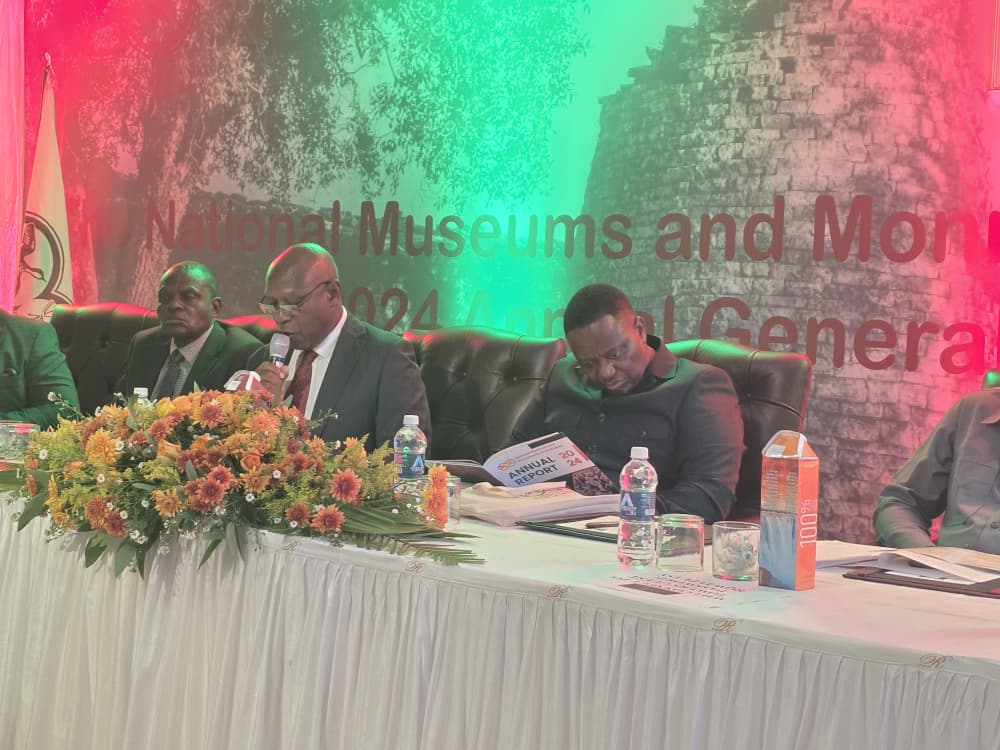
The update emerged at the organisation’s annual general meeting held in Harare this Friday, where officials highlighted major milestones in the preservation and promotion of national monuments and heritage sites.
As part of Government’s Independence Legacy Projects, NMMZ has transformed several historically significant sites into formally recognised heritage monuments at community, national and regional levels.
NMMZ Executive Director Dr Paul Mupira said the institution has made notable strides in safeguarding sites linked to Zimbabwe’s liberation struggle.
“We have managed to develop quite a number of sites in various provinces. Among these are sites linked with the Independence Legacy Projects that the Government of Zimbabwe has initiated, including Dzapasi Assembly Point. This trend will continue going forward,” he said.
Dr Mupira added that NMMZ is also expanding community-based heritage initiatives through the establishment of museums and cultural centres.
“The first community museum that we built was in Binga, and currently we are close to commissioning the Nambia Community Museum in Hwange,” he said.
Minister of Home Affairs and Cultural Heritage, Honourable Kazembe Kazembe commended the progress made in restoring liberation shrines and monuments in former Frontline States.
“Government is supporting rehabilitation programmes for sites and monuments in the former Frontline States. We have already completed work in Mozambique and Zambia. Looking ahead, we will have a second phase,” he said.
The NMMZ has also recently designated 14 additional sites as national monuments, underscoring Zimbabwe’s commitment to protecting its diverse cultural landscape and revolutionary heritage.
The initiative forms part of a broader strategy to preserve the nation’s history, strengthen cultural identity and ensure future generations remain connected to Zimbabwe’s liberation legacy.

