



Story by John Nhandara
ZIMBABWE is expected to start exporting lithium sulphate during the first quarter of next year as the government forges ahead with value addition of the country’s minerals.
The government is aiming to maximise revenue from the country’s vast lithium reserves after it set a deadline for the country’s lithium miners to transition from exporting raw concentrate to a more refined product.
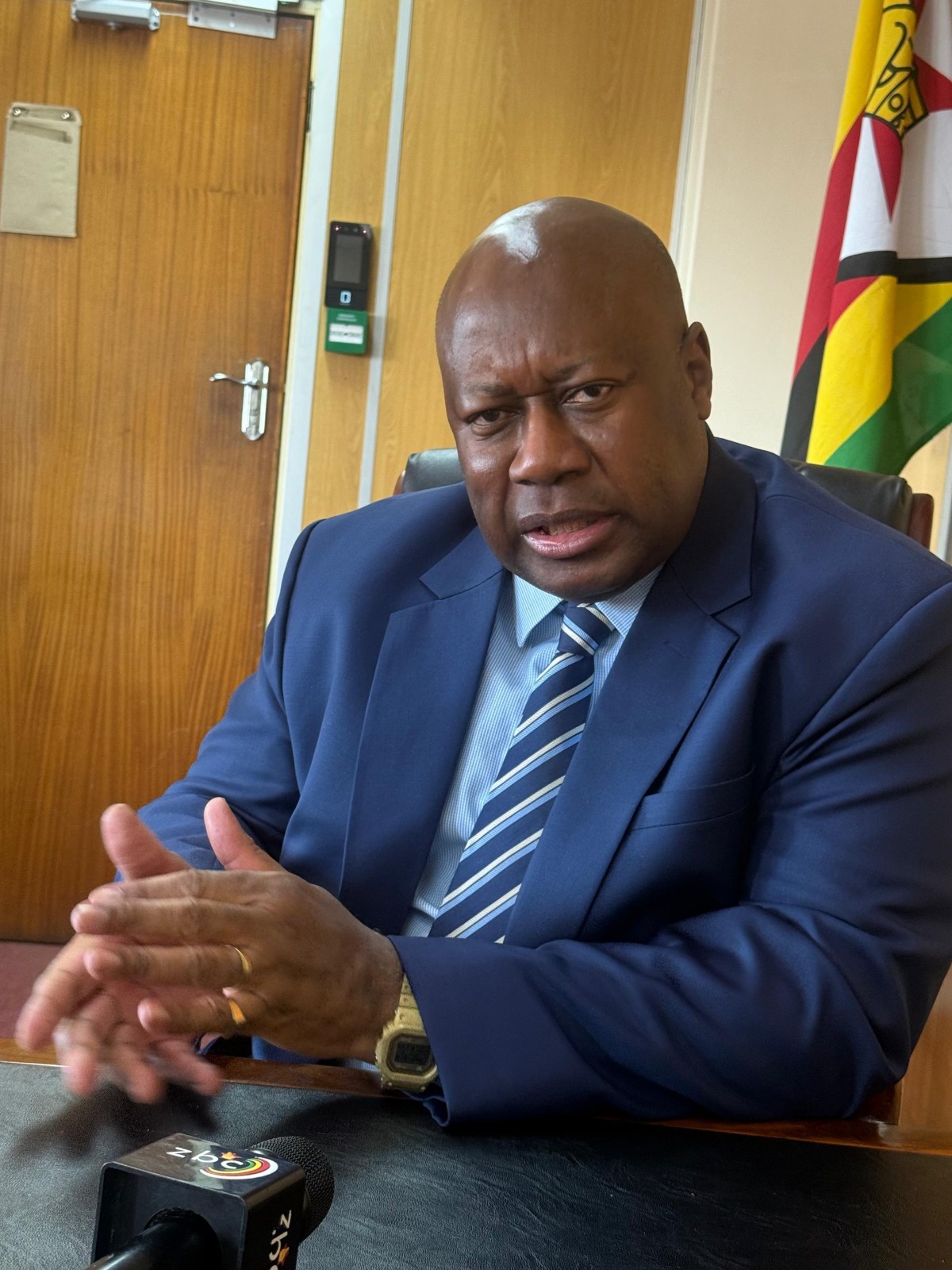
According to the Minister of Mines and Mining Development, Honourable Winston Chitando, a value addition programme is already in place, especially for spodumene, which has the biggest lithium mineral deposits in the country.
“Concerning spodumene, which is the largest of the deposits that we have, the government has framed up a value addition programme, where the export of lithium spodumene concentrate will be banned from January 2027. All lithium concentrates by that time should be beneficiated to lithium sulphate. To this extent, we have two operators, two investors, Arcadia and Bikita Minerals, who are advanced as far as the spodumene lithium value chain is concerned,” he said.
Minister Chitando also highlighted the country’s broader beneficiation policy, shedding light on the strategic importance of lithium resources.
“Resident in Polusite, we have one or two minerals, which include caesium. So, Bikita has put up a caesium flotation plant to treat tailings dams, which are resident in the mine. There are current arisings, which are also originating from the current mining of caesium, and the plant has been put in place. At the moment, they are in the process of fine-tuning the efficiency of the plant. They are trying to target certain quality levels before they begin the exports of the caesium from the tailings treatment plant.”
Bikita Minerals’ recent investment in a new caesium extraction facility aligns with the government’s value addition and beneficiation agenda.

