



Story by Abigirl Tembo
THE intersection of Gender-Based Violence (GBV) and drug abuse has created a vicious cycle of violence, abuse and addiction, with statistics in Zimbabwe showing that one in three women experience GBV and one in five men struggle with substance abuse.
To address this critical issue, the Zimbabwe Civil Liberties and Drug Network and the Women’s Health Issues Trust Zimbabwe have launched a media engagement initiative to spark a national conversation and advocate for policy reforms.
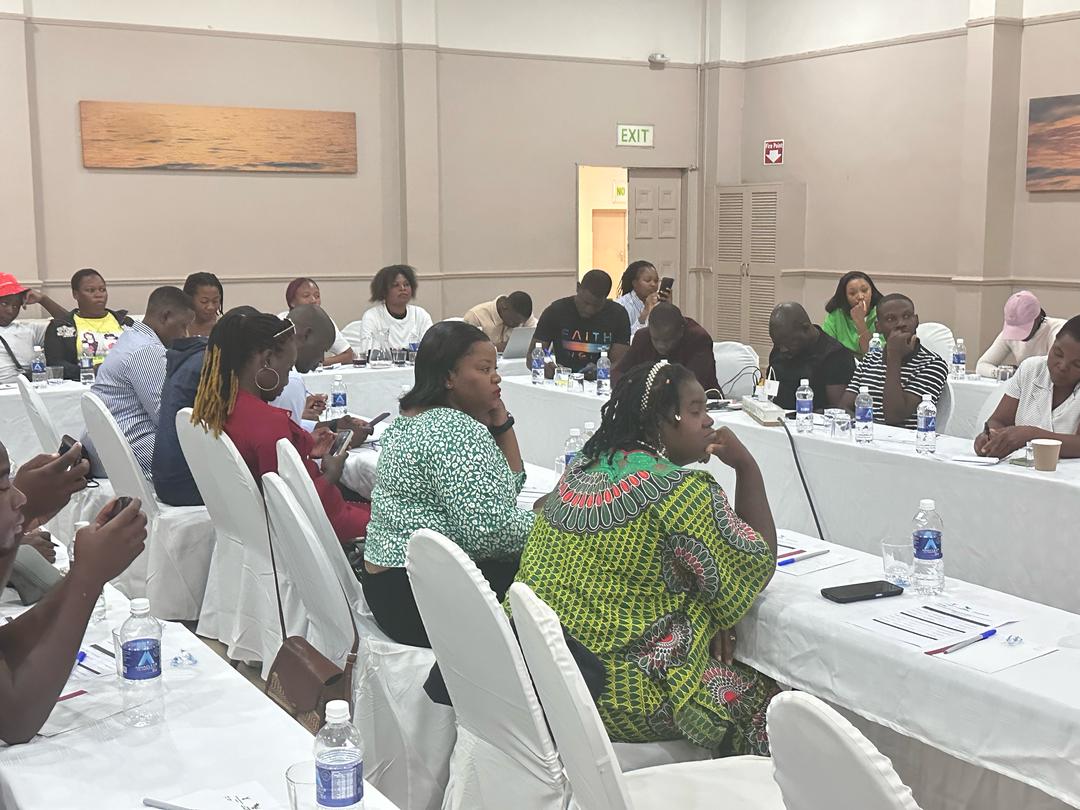
The workshop, which brought together journalists and civil society organisations brought out harrowing tales of survival and resilience, highlighting the intricate link GBV and drug and substance abuse in Zimbabwe.
“I was in an abusive marriage and my husband would continuously abuse me. Whenever he came home drunk, he would beat me and at one point, I took a restraining order and moved out then started working in a saloon. My husband came back and apologised and because of peer pressure from family, we reconciled and I cancelled the protection order. The beatings started all over again, that is when I started to take drugs to numb the pain,” GBV survivor Ms Chipo Kahuni said.
“I would take three bottles of bronchitis medication every day as well as marijuana. When he beat me, I would not feel anything, only the bruises would remind me about the beatings in the morning. This was now affecting my two children because they were now resorting to violence as well and I did not have time to cook for them or even take care of them. But now thanks to the help that I have been getting from the Zimbabwe Civil Liberties and Drug Network, I have been drug-free for the past six months.”
Chipo’s story is not an isolated one.
Zimbabwe Civil Liberties and Drug Network’s Programmes Officer Seretina Tanyanyiwa says substance abuse can be both a cause and consequence of GBV, perpetuating a vicious cycle of violence and abuse.
“At the moment, we are working as a consortium between Zimbabwe Civil Liberties and Drug Network and Women Health Trust Issues. It’s a consortium that deals with people who use and inject drugs and also aims to address SRHR issues. With regard to domestic violence and substance abuse, you find that people who use and inject drugs are perpetrators of gender-based violence. The people who are violated retaliate by using drugs as well.
“We have set up support groups to support the victims of gender-based violence and we are also advocating for policy reforms so that people can address their issues relating to gender-based violence and then they get help. The government in collaboration with other private players are working to address the issue of drug and substance use because it is a menace in our economy,” Zimbabwe Civil Liberties and Drug Network’s Programmes Officer Seretina Tanyanyiwa said.
Government has also taken steps to address the growing problem of drug and substance abuse.
Last year in June, President Emmerson Mnangagwa launched the Zimbabwe Multi-Sectoral Drug and Substance Abuse Plan 2024-2030.
The plan provides strategic direction to the nation’s response to the drug and substance abuse challenge, with a focus on supply reduction, demand reduction, harm reduction, treatment, and rehabilitation.

