



Story by Lisa Masuku-Kurira
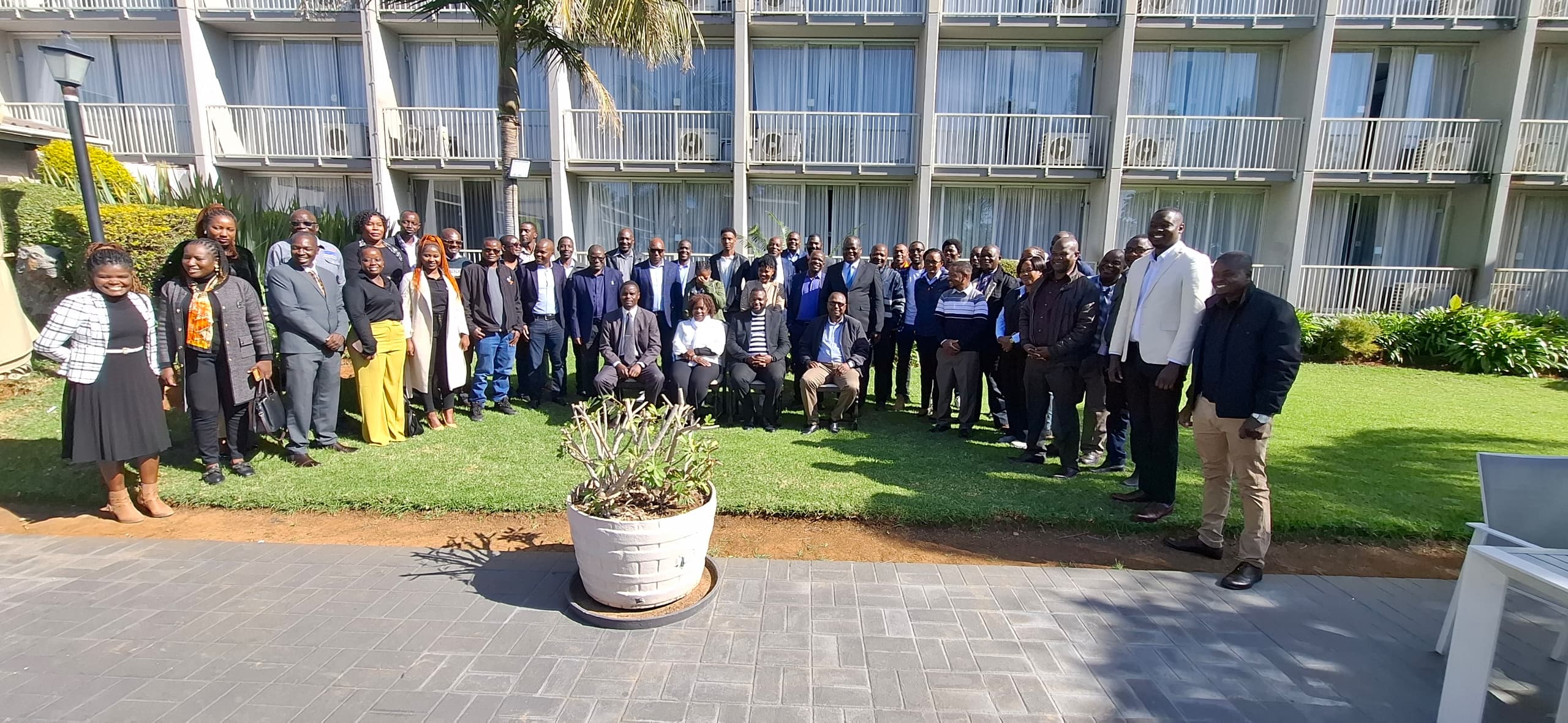
BULAWAYO –THE safe use and regulation of Non-Ionising Radiation (NIR) technologies came under focus at a two-day national seminar hosted by the Radiation Protection Authority of Zimbabwe (RPAZ), which concluded in Bulawayo this Thursday.
The seminar, themed “Strengthening Safety Standards, Understanding and Managing Non-Ionising Radiation Risks”, brought together key stakeholders from various sectors to explore strategies for enhancing safety standards and aligning with international best practices in the use of NIR technologies.
Speaking at the event, RPAZ Board Chairperson, Dr Anna Nyakabau, emphasised the importance of balancing technological advancement with public safety.
“This workshop marks a significant step in our country’s journey towards safeguarding public health while embracing the opportunities that come with technological progress. As we gather here, we are reminded that Non-Ionising Radiation whether from communication systems or medical devices is a key component of modern life. However, it remains our shared duty to ensure its use is safe, regulated, and aligned with global best practices,” she said.
Dr Nyakabau also commended the collaborative nature of the discussions, noting the diverse participation from sectors such as telecommunications, healthcare, energy, and academia.
RPAZ Chief Executive Officer, Mr Justice Chiburu, outlined the Authority’s ongoing efforts to raise awareness and provide technical guidance on mitigating potential health risks linked to NIR exposure.
“This seminar aims to raise awareness and offer guidance on managing non-ionising radiation risks in areas such as laser technologies, high-voltage power systems, radar applications, telecommunications, and medical diagnostics,” he said.
As the use of NIR expands across Zimbabwe, in mobile networks, diagnostic imaging, and industrial applications authorities have stressed the importance of proactive regulation and education to protect both the public and professionals who may be exposed to such technologies.
The event further underscored the need for continual review and upgrading of safety protocols, especially as Zimbabwe modernises its infrastructure and adopts new technologies.

