



Story by Abigirl Tembo, Health Editor
HARARE – HEALTH experts and government officials from across Southern Africa have rallied behind the urgent call to establish and strengthen National Public Health Institutes (NPHIs), describing them as critical in responding to future pandemics and public health emergencies.
African health leaders, policymakers, scientists and partners gathered in Harare for the fourth Annual Regional Meeting of National Public Health Institutes, reaffirming their collective resolve to strengthen public health systems and ensure better preparedness for future pandemics and health threats across the continent.
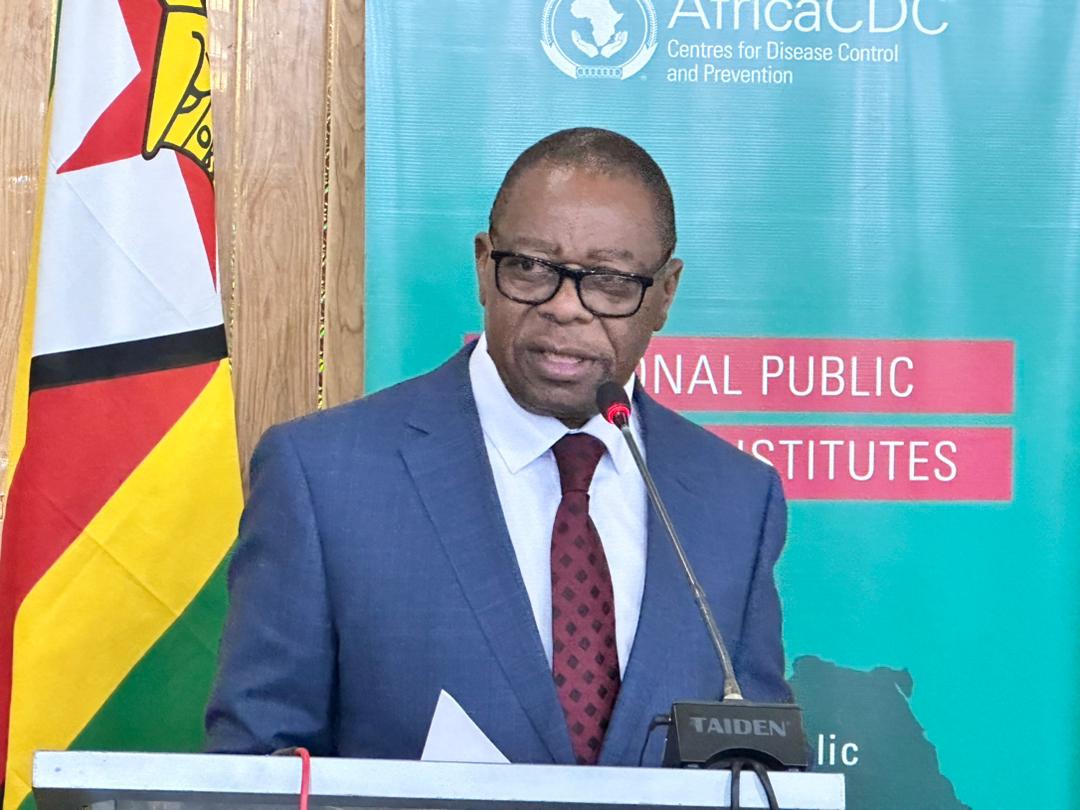
In his keynote remarks, the Minister of Health and Child Care, Dr Douglas Mombeshora, emphasised the pivotal role played by National Public Health Institutes (NPHIs) in shaping strong, science-based national responses.
“Today, we gather not only as representatives of our respective member states but as a united front committed to advancing public health security and resilience. National public health institutions play a critical role in coordinating disease surveillance and response, specialised diagnostics, research, and workforce development.
“A well-functioning NPHI is a cornerstone of both national and regional health security. Collaboration between government and partners is essential, ensuring that public health institutes operate with the technical capacity and sustainability needed to respond to threats swiftly and effectively,” he said.
Joining the discussions, Africa Centres for Disease Control and Prevention Regional Director, Dr Lul Riek, echoed the urgency of establishing operational NPHIs across Africa.
“These gaps led Africa CDC to advocate for five strategic actions, establishing functional NPHIs, expanding local manufacturing, strengthening the public health workforce, increasing domestic health financing, and fostering action-oriented partnerships. Let us remember, Africa’s health future will not be imported, it must be built by African leaders for African people, starting right here in Harare,” he said.
Representing the World Health Organisation, Dr Desta Tiruneh stressed the need to modernise and integrate essential public health services across all sectors.
“WHO has developed comprehensive guidance to support countries in strengthening essential public health functions globally and locally. The approach promotes prevention, equity, and multisectoral collaboration to address broader determinants of health. This meeting is a timely platform to share experiences, reflect, and strategise future public health responses aligned with national priorities,” he said.
Dr Talkmore Maruta from the African Society for Laboratory Medicine (ASLM) emphasised that quality diagnostics, biosafety, and genomic surveillance form the frontline of pandemic preparedness.
“Laboratories are the boots on the ground, strengthening lab networks and empowering the workforce is non-negotiable. We are proud of our collaboration with Africa CDC to build this capacity and promote the establishment of NPHIs,” Dr Maruta said.
The fourth Annual Regional Meeting comes at a time when Africa is recalibrating its public health priorities after the lessons of COVID-19.
From preparedness and diagnostics to equity in health access, the conversation is now about action and Zimbabwe is playing a key role in leading that charge.

