



Story by Bright Black
AFRICA’S education sector is making steady strides as schools increasingly adopt modern learning systems aimed at fostering leadership, confidence, and critical thinking among students.
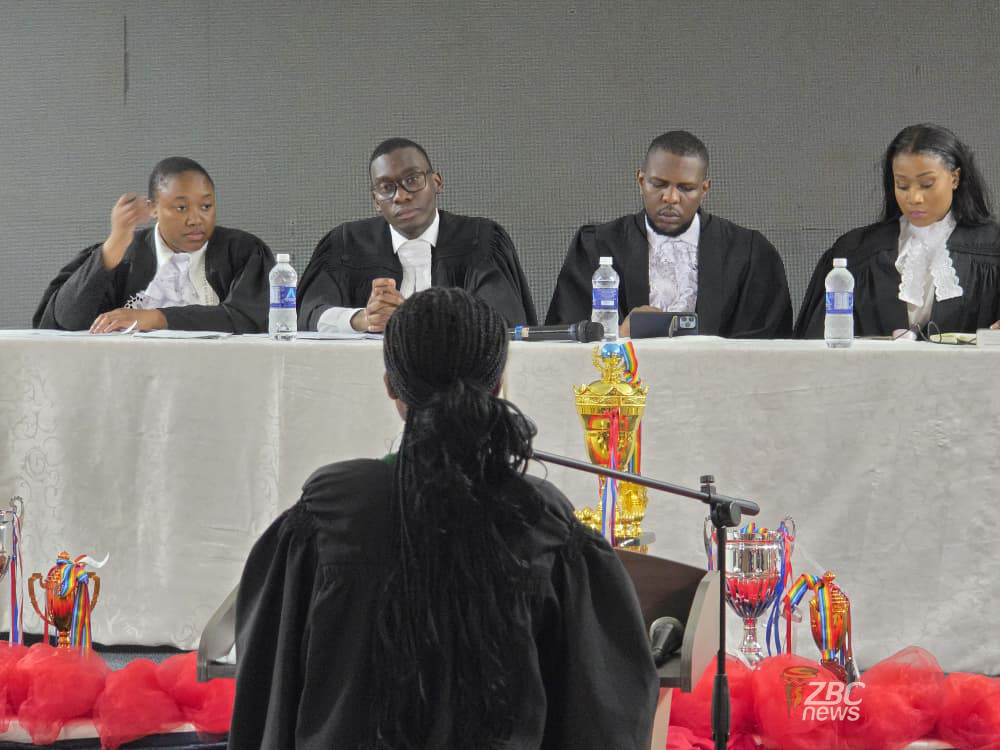
This development coincides with Zimbabwe hosting the Orate Africa Championships Uhuru Pulse in Harare, showcasing the country’s commitment to nurturing young talent and innovative learning approaches.
Platforms that promote debate, public speaking and analytical thinking are reinforcing classroom learning, enabling learners to engage confidently with African social, economic and governance issues.
Samuel Centenary Academy was one of the participating schools hosting learners from other African countries alongside three local schools in moot court, debate, public speaking, quiz, as well as spelling bees.
“It is quite a refreshing experience getting talents from all of Africa, the best, and I will say it is not a competition but an interaction of diverse,” Samuel Centenary Academy student, Ruvimbo Mundeta said.
“Inasmuch as these are mock activities, I have learnt much on the application of law which can happen day to day,” Lesotho, Maletsie Motseki said.
“It’s an important event that has improved my confidence and analytical skills,” Botswana, Tim Mninakgomo said.
“As young people, we have critical thinking, and our voice makes a difference; that is why we are here,” Namibia Thomson Mwandingi said.
Organisers believe the initiative complements formal education by moulding articulate, ethical and solution-driven young Africans.
“Hosting this international Orate Africa tournament for the first time in Zimbabwe shows our commitment to inclusivity, ensuring no learner is left behind,” Orate Africa Trust Zimbabwe Director, Panashe Lesly Magara said.
“As Africa pursues the Sustainable Development Goals, academic excellence and critical thinking are critical, and this platform promotes both,” Lesotho Orate Africa Trustee, Advocate Kamohelo Who Khoboko said.
With Africa’s youthful population viewed as a strategic asset, educators remain optimistic that empowering learners with leadership and critical thinking skills is key to the continent’s future.

