



Story by Memory Chamisa
THE availability of legal, medical, and psychological support facilities and services across the country has greatly assisted Gender Based Violence (GBV) survivors to rebuild their lives and create a stronger and more resilient society.
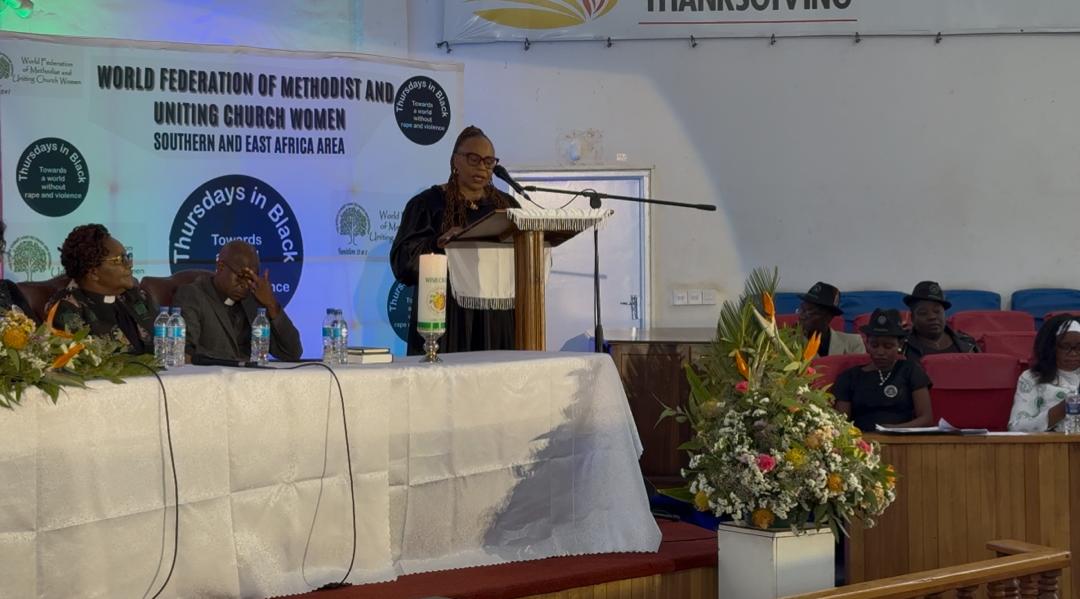
This emerged at the GBV Summit held in Harare this Sunday.
As the dialogue on ending Gender Based Violence continues, community-led initiatives that engage men and boys in addressing harmful societal norms, improving accountability systems, and raising awareness are contributing significantly to less violence and prevention in communities.
With statistics showing one in every three has experienced physical abuse and one in every four women has been sexually violated, this Sunday’s dialogue witnessed young adults, men and women being candid about the scourge, especially on the family unit.
“If we are being honest with each other, GBV tears the family, if a child sees his or her mother, father battered that child psychologically has been abused too and often you see some shut out such that they confine to themselves or the worst scenario they take it to other children so GBV not only affects the victim but those around who witness it are also affected,” a participant said.
“We sometimes put more focus on women and girls, forgetting that men and boys also experience GBV . Most of the cases are of men; we feel embarrassed to talk about it, as we feel society will say we are weak or make other derogatory comments, hence we suffer in silence, and most of the campaigns promote the active role of men and boys in stopping GBV, but women’s campaigns are rare . This conversation needs to address those gaps, so that we don’t suffer in silence,” a man said.
“As young adults, I think increasing access to reproductive health services and empowering women through education and job opportunities can help break the cycle of poverty and violence. I have noticed our peers end up doing drugs if they are not empowered to try and take off the stress, and if you’re not doing drugs, it’s either you end up taking that anger and stress on someone who is either your partner or child,” a youth said.
Stakeholder engagement remains a vital cog in reducing gender based violence cases as witnessed through community mobilisation, referral, and coordination mechanisms at the district and community level.
“Ensuring continuation of essential GBV services, as well as setting up community-based mechanisms to mitigate the risk of GBV and SEA, and enhancing the capacity of interagency humanitarian actors on GBV preparedness and response in multi-hazard humanitarian contexts such as Zimbabwe, is a critical action within every organisation’s mandate. We applaud the Government for the policies and initiatives it has put in place, but still concerted efforts are needed from our families, workplace, and other spheres,” Community Development and Social Justice Activist, Deaconess Mabel Sithali said.
“The Government continues to work tirelessly in implementing GBV risk mitigation initiatives, such as the provision of psychosocial support to vulnerable women and girls through safe spaces. We have built facilities in almost every province to ensure timeous care and support. Provision of GBV essential services, through static and mobile One Stop Centres in remote and hard to reach areas has also helped greatly,” Minister of Women Affairs, Community, Small and Medium Enterprises Development, Senator Monica Mutsvangwa said.
Through legislative reforms, economic empowerment programmes, construction of one-stop centres and counselling services, a multifaceted approach is being implemented to eliminate GBV in communities.

